When homeowners search for french drain basement solutions, they’re usually reacting to water showing up where it shouldn’t. Maybe the basement smells damp, or moisture keeps returning after storms. At Clog Heroes Plumbing, Sewer & Drain, we see this confusion all the time — homeowners aren’t sure whether the issue is plumbing-related or tied to drainage around the foundation. In many cases, the problem isn’t a broken pipe, but unmanaged drainage. Once you understand how water moves around the foundation, the right solution becomes much clearer.
What a French Drain Basement System Is Meant to Do
A french drain basement system is designed to manage groundwater before it causes damage. Instead of carrying wastewater, it redirects excess moisture away from the basement floor and foundation walls. Because of that, it’s commonly recommended for homes dealing with seepage, recurring dampness, or pressure buildup after rainfall.
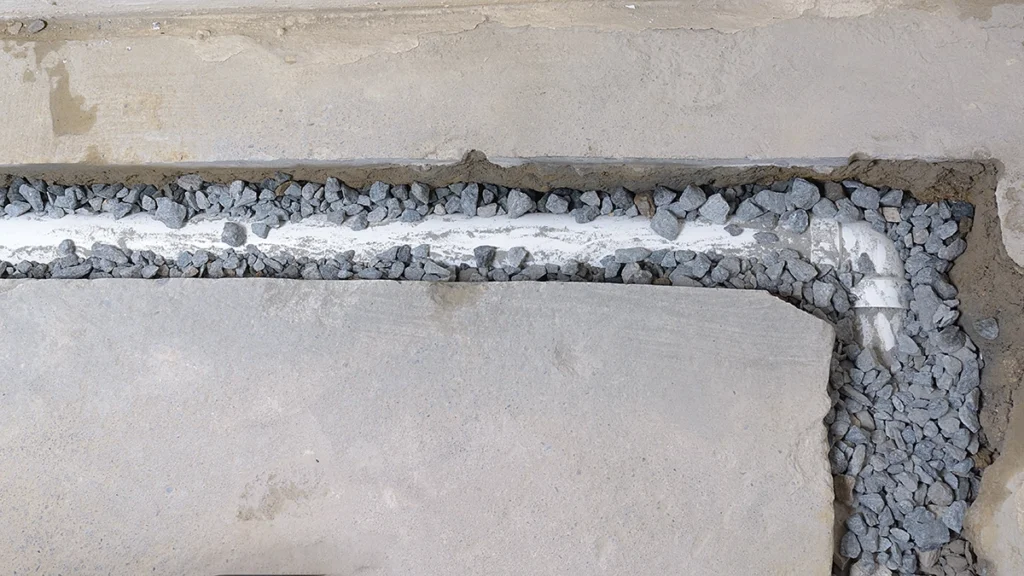
In many homes, water builds up in the soil surrounding the foundation. Over time, that pressure — known as hydrostatic pressure — pushes moisture inside. A french drain placed along the basement perimeter collects that water and moves it toward a controlled exit point. This process helps relieve stress on the structure and keeps living spaces dry.
Signs Your Basement Water Problem Is Drainage Related
Basement water issues don’t always appear as full flooding. In fact, many warning signs show up gradually.
Common indicators include:
-
Damp basement air
-
Musty odors that linger
-
Water stains on walls or floors
-
White residue on concrete surfaces
-
Moisture appearing after rain, not plumbing use
When these symptoms repeat, a french drain system beneath or along the basement floor may be needed. Repeated drain cleaning alone often won’t resolve groundwater pressure.
French Drain Basement vs Plumbing or Sewer Problems
One of the most important steps we take at Clog Heroes Plumbing, Sewer & Drain is identifying the true source of the water. While sewer backups do happen, they’re often mistaken for drainage issues, and vice versa.
That’s why we often recommend ruling out plumbing problems early. In many cases, scheduling a sewer inspection helps confirm whether water is entering from outside the foundation or backing up from inside the system. Without that confirmation, homeowners risk fixing the wrong problem.
We’ve seen situations where basement water was blamed on clogged pipes for years, when the real issue was drainage failure around the foundation.
How French Drain Basement Systems Work With Sump Pumps
A french drain basement setup frequently works alongside a sump pump. The drain channels groundwater toward a basin, where the pump moves it safely away from the home.
However, even a properly installed drain can become ineffective if the pump stops working. Many homeowners don’t realize sump pumps have a limited service life. Understanding how long sump pumps last helps prevent surprise failures during periods of heavy rainfall.
If the pump fails, water has nowhere to go. As a result, basement moisture returns quickly.
French Drain Basement Solutions That Protect Long Term
A french drain basement system isn’t a temporary fix. It’s a long-term water management solution meant to protect the structure itself. When designed correctly, it relieves hydrostatic pressure caused by the way groundwater moves through saturated soil, reducing the chances of recurring moisture damage.
That said, not every home needs the same approach. Some benefit from interior drainage installed along the basement perimeter. Others require exterior drainage to intercept water before it reaches the foundation. Choosing the right solution depends on soil conditions, grading, and existing systems.
At Clog Heroes Plumbing, Sewer & Drain, we focus on diagnosis first. We evaluate drainage paths, sump pump operation, and plumbing health before recommending any installation.
Interior French Drain Basement Systems
Interior systems are installed beneath the basement floor along the perimeter. They’re often preferred in finished spaces because they limit exterior excavation. These systems quietly collect water and direct it to a sump basin.
Exterior Drainage Options for Basement Protection
Exterior drainage addresses water before it contacts foundation walls. While installation is more invasive, it can be effective in certain layouts. The right choice depends on the home’s structure and water flow patterns.
Why Homeowners Trust Clog Heroes
Homeowners call Clog Heroes Plumbing, Sewer & Drain because they want answers, not assumptions. Basement water problems can feel overwhelming, especially when damage threatens storage or living areas.
Our team focuses on identifying the source first, then recommending solutions that actually solve the problem. Whether the issue involves drainage, sump pump repair, or plumbing evaluation, clarity always comes first.
If you’re unsure what’s causing water in your basement, contact us today. The right diagnosis saves time, money, and stress.
FAQs About French Drain Basement Systems
Before we wrap up, here are a few quick answers to common questions homeowners ask about basement drainage.
Not exactly. French drains manage water movement, while waterproofing focuses on sealing surfaces.
Most do. The pump removes collected water from the home.
A professional evaluation can determine whether water is entering from outside drainage issues or internal plumbing problems.
Yes. Clog Heroes Plumbing, Sewer & Drain serves Fredericksburg and nearby areas. Is a french drain basement system the same as waterproofing?
Do all basement drain systems need a sump pump?
How can I tell if basement water is from drainage or plumbing?
Do you service Fredericksburg, VA for basement water issues?
If basement moisture keeps returning, a properly designed french drain system may be what finally stops the cycle.