Garbage Disposal Smells? Causes and Easy Fixes
Home /
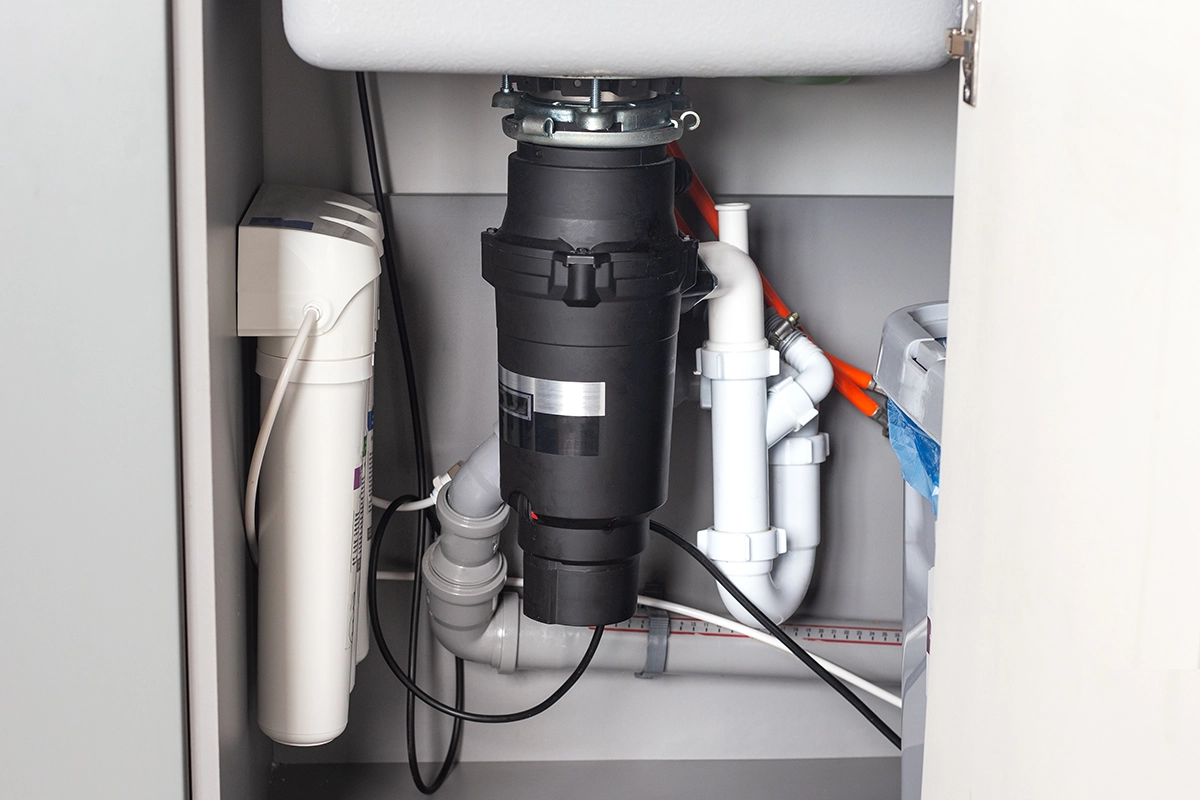
When a garbage disposal smells, most homeowners assume the unit is failing. In reality, the disposal is usually working fine. The odor is almost always caused by residue left behind during normal use, and it’s one of the most fixable kitchen problems we see at Clog Heroes Plumbing, Sewer & Drain. Once you understand what’s happening, getting rid of the smell becomes straightforward.
Why Garbage Disposal Smells in the First Place
A garbage disposal odor almost always forms in the areas directly around the sink opening and the first section of drain piping. These parts stay wet and rarely get scrubbed, so small food particles collect there during normal use.
Common odor sources include:
Underside of the rubber splash baffle
The P-trap
Horizontal drain pipe
Dishwasher connection line
In many cases, the disposal itself is operating perfectly. The smell develops because residue sits in these areas long enough for bacteria to break it down and produce the odor you notice at the sink.
When Your Garbage Disposal Smells but the Sink Looks Clean
This confuses a lot of homeowners. The sink looks spotless, yet the odor is still there. That’s because the parts that actually smell aren’t the visible basin — they’re just below the drain opening.
Food residue often collects underneath the rubber splash guard and around the upper chamber of the disposal. These areas stay wet and don’t get scrubbed during normal cleaning, so a thin layer of food paste can build up even when the sink itself looks clean.
If the odor is accompanied by slow draining or gurgling, the problem may extend into the kitchen drain line, especially if the sink is starting to drain slowly.
The Hidden Area Most People Miss
The rubber splash guard at the top of the disposal is one of the most common odor sources. During normal use, tiny food particles are thrown upward and stick to the underside of the flaps. Because that area stays damp and rarely gets cleaned, a thin layer of residue can build up over time.
We often tell customers: if the smell gets stronger when you run water or right after the disposal turns on, the odor is usually coming from just under the sink opening rather than deep in the pipes.
Garbage Disposal Smells or Is It Sewer Gas?
Not every odor near a garbage disposal comes from food residue. Sometimes the disposal is simply where the smell is most noticeable.
A blocked plumbing vent or a dry P-trap can allow sewer gases to escape through the drain. Sewer gas typically has a sulfur or rotten-egg smell and won’t improve with cleaning.
The CDC’s ATSDR notes hydrogen sulfide can be detected by smell at very low levels, which is why even small venting or trap problems can become noticeable inside the house. In these situations, the disposal is only where the odor exits — not the source of the problem.
Quick Things You Can Try First
Before calling a plumber, a few safe steps often help.
Run cold water for 30 seconds before and after grinding
Clean the rubber baffle with a brush and dish soap
Grind small ice cubes to knock debris loose
Follow with a small amount of dish detergent
These steps work because rinsing alone doesn’t clean the hidden surfaces inside the disposal. Scrubbing under the guard and flushing with water physically clears away the residue, which is why the smell usually improves right away.
When Garbage Disposal Smells Keep Coming Back
If the odor returns quickly after cleaning, the issue may extend beyond the disposal opening. In some homes, residue collects in the P-trap or nearby kitchen drain piping, where simple cleaning won’t reach.
Grease and food waste can harden along the pipe walls over time, which is why municipalities warn against pouring fats, oils, and grease down kitchen drains.
Recurring smells are often accompanied by other symptoms:
Gurgling noises
Slow draining
Dishwasher backing up
Persistent Odor Can Also Mean a Leak
When a garbage disposal smells, the odor doesn’t always come from inside the drain. A small leak under the sink can create a similar smell.
Even a minor drip keeps the cabinet area damp. When moisture soaks into wood, dust, and old food splatter around the disposal, it begins to produce a strong smell that seems like it’s coming from the unit itself.
If you notice dampness, staining, or a musty odor inside the cabinet, the disposal may be leaking. In these situations, cleaning the disposal won’t solve the problem because the odor is forming beneath the sink rather than inside the plumbing.
When a Clogged Garbage Disposal Is the Real Cause
Occasionally the disposal itself is clogged. Foods like rice, pasta, coffee grounds, and grease can collect inside the unit and prevent waste from washing out.
When this happens, water can back up into the sink and food debris stays inside the disposal instead of flushing away. If the sink won’t drain, fills with standing water, or the disposal runs but doesn’t clear anything, you may be dealing with a clogged garbage disposal rather than a buildup in the drain pipe.
If the unit hums, won’t clear debris, or repeatedly jams, it may need professional service or replacement.
The Professional Solution
At this stage, the problem usually requires access to parts of the system a homeowner can’t reach.
A plumber doesn’t just clean the disposal chamber. We inspect the disposal, the P-trap, and the kitchen drain line together to locate where the odor is forming. When buildup forms inside the piping, we clear and flush the line to remove residue and bacteria instead of just rinsing them away temporarily.
In many homes, persistent garbage disposal smells are caused by buildup inside the drain line rather than a failed unit. Professional kitchen drain cleaning removes the source of the odor. If the disposal itself is damaged or leaking, we can also advise you on the appropriate repair or replacement.
The goal is to remove the source of the smell so it doesn’t return after a short time.
Preventing Odors Going Forward
Prevention is easier than repair. A few simple habits help keep smells from returning:
Let cold water run while the disposal is operating and for about 20–30 seconds after
Avoid pouring grease or cooking oil into the sink
Skip fibrous scraps like celery, onion skins, and corn husks
Occasionally run dish soap and water through the disposal to rinse it out
These habits help carry food particles out of the unit so residue doesn’t sit and create odor again.
Final Thoughts
If your garbage disposal smells, don’t assume the unit is broken. In most homes, residue in the drain causes the odor, and once you clear the buildup, the smell goes away quickly.
If the smell keeps returning after you’ve tried the basic cleaning steps, contact Clog Heroes Plumbing, Sewer & Drain. We help homeowners throughout Fredericksburg and the surrounding areas.
Frequently Asked Questions About Garbage Disposal Smells
Here are quick answers to common questions homeowners ask us.
Bacteria are usually growing in the drain trap or pipe, not the motor. In some homes, sewer gas from a blocked vent can also cause the odor. Scrub the rubber splash guard with soap and a brush, then flush with cold water and dish detergent. If the smell returns, buildup exists deeper in the drain line. No. Bleach can damage seals and rarely removes grease inside pipes. The odor usually comes back quickly. Call if you notice slow drainage, gurgling, backups, or the smell returns within a few days. Those usually mean a developing kitchen drain clog.Why does my garbage disposal smell like rotten eggs?
How do I get rid of garbage disposal smell fast?
Is it safe to pour bleach into a garbage disposal?
When should I call a plumber?