Have a Basement Water Leak? Common Causes and What to Do
Home /
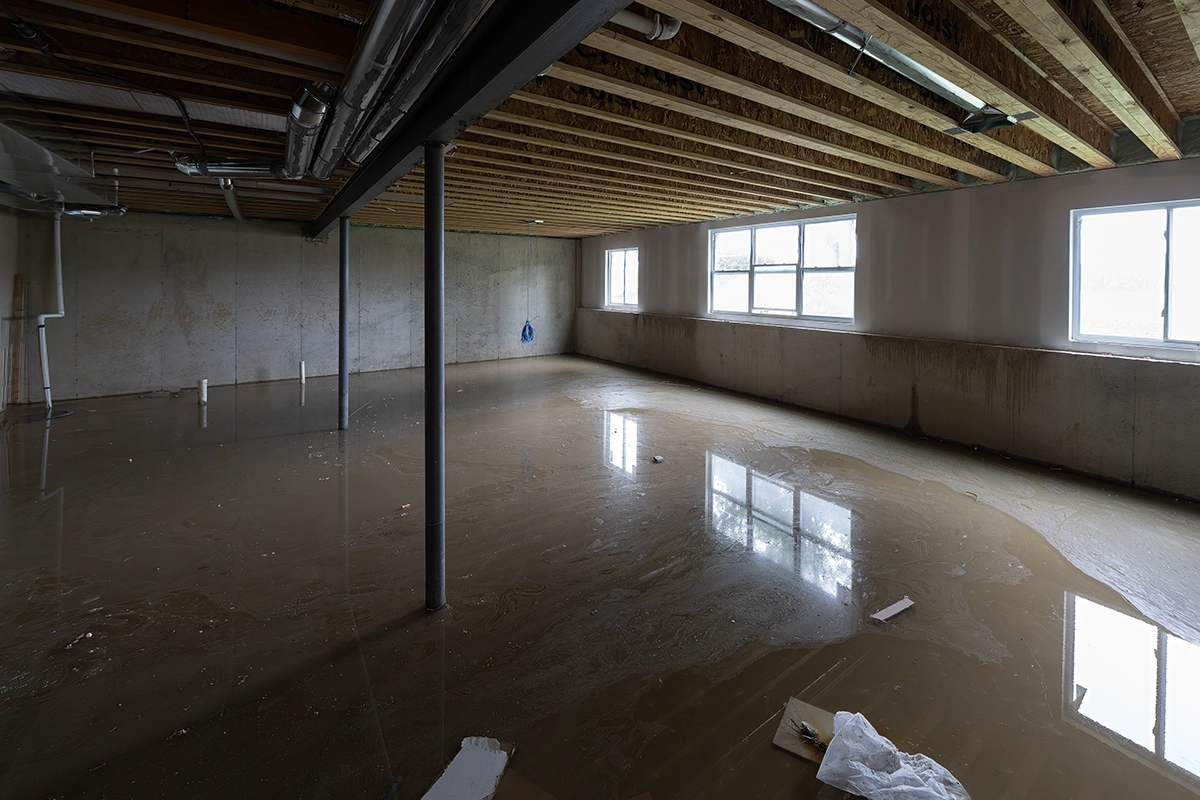
A basement water leak is one of those problems homeowners hope never shows up. Unfortunately, it’s also one of the most common issues we see. Water doesn’t need much space to get inside. Sometimes it’s obvious. Other times, it slowly builds until the damage is already done. Either way, knowing what causes a basement water leak makes it much easier to stop it before things spiral.
At Clog Heroes Plumbing, Sewer & Drain, we deal with basement water problems every week. And honestly, most leaks follow the same patterns. Once you understand those patterns, the situation feels a lot less overwhelming.
Basement Water Leak Causes We See Most Often
A basement water leak almost always starts outside or below the foundation. Because water takes the path of least resistance, it will use any opening it finds.
Common causes include:
Water leaking into the basement after heavy rain
Poor drainage around the foundation
Cracks in foundation walls or floors
Failing sump pump systems
Plumbing leaks above or below grade
Because these problems overlap, it’s easy to misdiagnose the source. That’s why careful inspection matters.
Basement Water Leak After Heavy Rain
One of the most frequent calls we get starts the same way. A homeowner notices water after a storm. Then panic sets in.
When rain falls faster than the ground can absorb it, water builds pressure around your foundation. Eventually, it forces its way inside.
This often points to:
Saturated soil pushing water through cracks
Improper grading directing water toward the home
Downspouts dumping water too close to the foundation
In many homes, long-term drainage solutions work better than quick patches. That’s where systems designed to redirect groundwater can make a real difference.
FEMA explains that stormwater should always drain away from the building, and poor grading or drainage can increase the risk of flooding around the foundation.
Basement Water Leak From Foundation Cracks
Foundation cracks don’t always look serious at first. Some are hairline. Others hide behind walls or flooring.
However, even small cracks can allow steady moisture intrusion. Over time, that moisture causes mold growth, material breakdown, and structural concerns.
Vertical cracks often relate to settling. Horizontal cracks can indicate pressure buildup. Both deserve attention.
Sealing alone may help temporarily. But unless the underlying moisture problem is addressed, water usually returns.
When a Basement Water Leak Is Actually a Plumbing Issue
Not every basement water leak comes from the outside. In fact, some of the messiest situations come from plumbing failures inside the home.
We often trace basement moisture to leaking appliances or supply lines. For example, a failing water heater can release gallons before anyone notices. Problems near the base of a water heater tank are especially easy to miss and can cause significant water damage.
Pipes running through basement ceilings or walls can also leak slowly. Those drips travel along framing and show up far from the source.
Basement Water Leaks and Sump Pump Problems
Sump pumps are designed to prevent basement flooding. However, they only work when they’re maintained properly.
A sump pump can fail due to power loss, stuck switches, clogged discharge lines, or worn components. When that happens, water has nowhere to go.
Routine testing and cleaning go a long way here. If you’ve never checked your system outside of emergencies, it’s worth learning what proper sump pump upkeep looks like before the next storm hits.
Why Drainage Systems Matter More Than You Think
Many homes rely on perimeter drainage systems to move water away from the foundation. When those systems clog or collapse, water builds up quickly.
Interior drainage channels, exterior footing drains, and similar setups are often overlooked until water appears. If you’ve ever looked into how French drains help prevent basement water problems, you already know how effective they can be when properly installed and maintained.
Basement Water Leak Warning Signs You Shouldn’t Ignore
Basement leaks don’t always show up as puddles. In fact, subtle signs appear first.
Watch for:
Damp or musty smells
Efflorescence on walls
Warped flooring or peeling paint
Unexplained humidity
These symptoms often mean moisture is already present. Addressing them early can prevent major repairs later.
According to the EPA’s guidance on moisture problems and mold risks, water-damaged areas should be dried within 24 to 48 hours to prevent mold growth.
What to Do Immediately When You Notice a Basement Water Leak
First, don’t panic. Second, don’t ignore it.
If active water is present, protect valuables and reduce further damage. In some cases, stopping the home’s main water supply helps. If you’re unsure how to shut off your home’s main water valve, it’s important to understand where it’s located and how it works before an emergency happens.
Next, document what you see. Photos help identify patterns. Finally, call a professional who can diagnose the true source.
Why Professional Diagnosis Matters
Guessing often leads to repeat leaks. Temporary fixes rarely hold up under pressure. A proper inspection looks at soil conditions, drainage paths, plumbing systems, and foundation integrity together.
At Clog Heroes Plumbing, Sewer & Drain, we focus on finding the actual cause. Not just the visible symptom. That approach saves time, money, and frustration.
Preventing the Next Basement Water Leak
While not all leaks are preventable, many are manageable.
Good habits include:
Keeping gutters and downspouts clear
Directing water away from the foundation
Inspecting plumbing regularly
Testing sump pumps seasonally
Taking care of these basics can go a long way toward avoiding future leaks.
When to Call Clog Heroes Plumbing, Sewer & Drain
If a basement water leak keeps coming back, it’s time for expert help. These problems are rarely one-size-fits-all, and guessing usually leads to repeat damage or missed causes. When that happens, it’s best to bring in a professional to diagnose the problem before it gets worse.
If you’re dealing with moisture issues or active leaks, contact Clog Heroes Plumbing, Sewer & Drain. We serve homeowners in and around Fredericksburg, VA, and we’ll walk you through your options and recommend a solution that actually makes sense.
A basement water leak doesn’t have to control your home. With the right diagnosis and a clear plan, it can be fixed for good.
Frequently Asked Questions About Basement Water Leaks
Basement water issues can feel confusing at first. These quick answers cover what homeowners ask us most often.
Heavy rain saturates soil and increases pressure around foundations. Water then finds cracks or weak points to enter. Yes. Leaking pipes, failed water heaters, or appliance lines can release water into basements. Small leaks often grow. Over time, they cause mold, damage materials, and weaken structures. Temporary fixes may help briefly. However, recurring leaks usually need professional diagnosis.What causes water leaking into a basement after heavy rain?
Can a basement water leak come from plumbing?
Is a small basement water leak a big problem?
Should I fix a basement water leak myself?