If you’re searching for how to remove the drain from the bathtub, you’re probably dealing with a clog, corrosion, or a planned repair. From what we see every day at Clog Heroes Plumbing, Sewer & Drain, bathtub drain issues are rarely random. Instead, they usually build up slowly over time. Because of that, learning how to remove the drain correctly can save frustration, prevent damage, and help you understand what’s really happening beneath the tub.
Although bathtub drains look simple, they’re often tightly sealed, rusted, or installed differently depending on age and material. So before grabbing tools, it helps to understand what you’re working with and why each step matters.
Why You May Need to Remove a Bathtub Drain
Most people consider removing a bathtub drain because water is draining slowly, backing up, or not draining at all. In many cases, pulling hair from the surface or using a plunger doesn’t solve the problem.
That’s because clogs often form inside the drain assembly or just below it, where hair, soap residue, and mineral buildup collect over time. When debris gets trapped around the drain flange or crossbars, it blocks water flow in ways surface cleaning can’t reach.
Bathroom fixtures also see heavier, more frequent use than most other plumbing components in the home. According to the U.S. Environmental Protection Agency WaterSense program, bathroom fixtures like tubs and showers account for a significant share of indoor water use, which means bathtub drains are exposed to frequent, repeated flow every day.
In other situations, the problem isn’t just a clog. The drain itself may be damaged, corroded, or leaking. Older metal drains can seize at the threads, while worn seals can allow water to escape below the tub. In those cases, removing the drain is the only way to inspect or repair the issue properly.
At Clog Heroes Plumbing, Sewer & Drain, we recommend drain removal when slow drainage keeps returning, cleaning doesn’t work, or repairs are needed beneath the tub.
How to Remove the Drain From the Bathtub Safely
Before starting to remove the drain from the bathtub, preparation matters more than most people realize.
First, protect the tub surface. Use a towel or rubber mat to avoid scratches. Next, confirm the drain style. Some drains have visible crossbars, while others use hidden mechanisms.
Just as important, avoid forcing the drain. Excess pressure can crack fittings below, which leads to bigger repairs.
Tools You’ll Need Before You Start
Having the right tools makes the process smoother and safer.
Most bathtub drain removals require:
-
A drain key or drain wrench
-
Adjustable pliers
-
Penetrating oil
-
A screwdriver
-
A flashlight
If the drain hasn’t moved in years, penetrating oil helps loosen corrosion. In our field experience, patience here prevents broken pipes later.
How to Remove the Drain From the Bathtub Step by Step
Step 1: Remove the Stopper
Start by removing the bathtub stopper. Depending on the style, this may involve loosening a set screw or twisting the stopper counterclockwise.
Once removed, set it aside safely.
Step 2: Inspect the Drain Opening
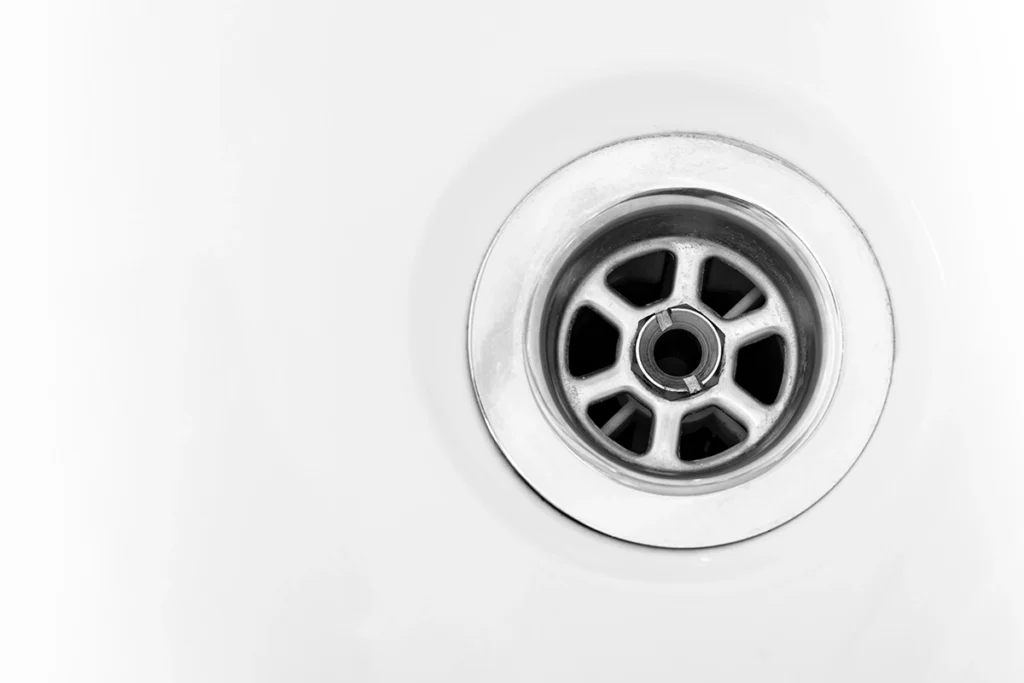
Look inside the drain. If you see a metal crossbar, you’ll use a drain key. If not, the drain may require a specialized extractor.
This inspection helps determine how to remove the drain from the bathtub safely, based on what’s underneath.
Step 3: Insert the Drain Key
Place the drain key into the drain and ensure it seats firmly. Then, turn it counterclockwise.
If the drain resists, stop. Apply penetrating oil and wait several minutes. Forcing it too early risks damage.
Step 4: Loosen and Remove the Drain
Once it breaks free, continue turning until the drain lifts out. Pull it straight up to avoid scraping threads.
At this point, you’ll see the drain flange and underlying piping.
What to Do If the Drain Won’t Budge
Sometimes, the drain refuses to move. When that happens, heat or additional leverage may be required.
However, this is where many DIY attempts go wrong. Applying too much force can twist the drain shoe or crack fittings below the tub.
If removal stalls, it’s often better to stop and reassess what’s underneath. The plumbing configuration below the tub can affect how the drain assembly moves, which is why understanding the difference between P-traps and S-traps matters once the drain is exposed.
After You Remove the Drain: What’s Next?
Once the drain is out, inspect it carefully. Look for corrosion, stripped threads, or buildup that may have caused problems before you learned how to remove the drain from the bathtub.
If your goal was clearing a clog, this is the best time to clean the line thoroughly. In fact, many homeowners find that removing the drain finally resolves recurring issues they couldn’t reach before. If the clog extends farther down the pipe, removing the drain alone may not clear it, and the next step is using proper methods to unclog the bathtub drain. These methods target blockages beyond the drain opening, inside the trap or deeper in the line where surface tools can’t reach.
Before reinstalling the drain, clean the threads and apply fresh plumber’s putty or thread sealant.
Common Materials You’ll See Under the Tub
Drain assemblies connect to different pipe materials, depending on the age of the home. In newer homes, PVC is the most common material used for bathtub drains. It resists corrosion, handles moisture well, and is easier to service during repairs.
Older homes often use metal drain components. Cast iron and galvanized steel were standard for decades. Over time, these materials can corrode, narrow internally, or seize at threaded connections. That corrosion is one reason bathtub drains sometimes refuse to loosen when attempting to remove the drain from the bathtub.
The EPA also breaks down how water is used inside the home, noting that roughly 70% of household water consumption happens indoors. That sustained indoor use means bathtub drain materials—especially older metal components—are constantly exposed to moisture and residue, which contributes to gradual buildup and corrosion rather than sudden failures.
When to Call a Professional Instead
Many homeowners can remove a bathtub drain on their own, but not every situation should be DIY.
If you notice:
-
Water leaking below the tub
-
Cracked fittings
-
Heavy corrosion
-
A drain that spins without loosening
It’s time to call for help. At Clog Heroes Plumbing, Sewer & Drain, we handle stubborn drain removals daily and prevent small issues from becoming major repairs.
If you’re near Fredericksburg, VA, our team is ready to help with bathtub drains and deeper clogs. In many cases, professional drain cleaning is the safest way to clear blockages without damaging the plumbing below the tub. Contact us for clear answers and professional service.
FAQs About Bathtub Drain Removal
Below are quick answers to common questions homeowners ask before starting.
Sometimes, yes. However, drain keys reduce damage risk.
This often indicates stripped threads or a loose drain shoe.
Yes. Older homes may have corroded metal drains.
Yes. Clog Heroes Plumbing, Sewer & Drain provides local drain services. Can I remove a bathtub drain without special tools?
Why does my drain keep spinning but not coming out?
Is removing a bathtub drain different in older homes?
Do you service bathtub drain issues in Fredericksburg, VA?
Knowing how to remove the drain from the bathtub gives you control over a common plumbing problem. When done carefully, it solves clogs and prevents future damage. And when the job feels bigger than expected, our team is always ready to help.