Kitchen Sink Clogged? What to Do (Fast DIY Fixes)
Home /
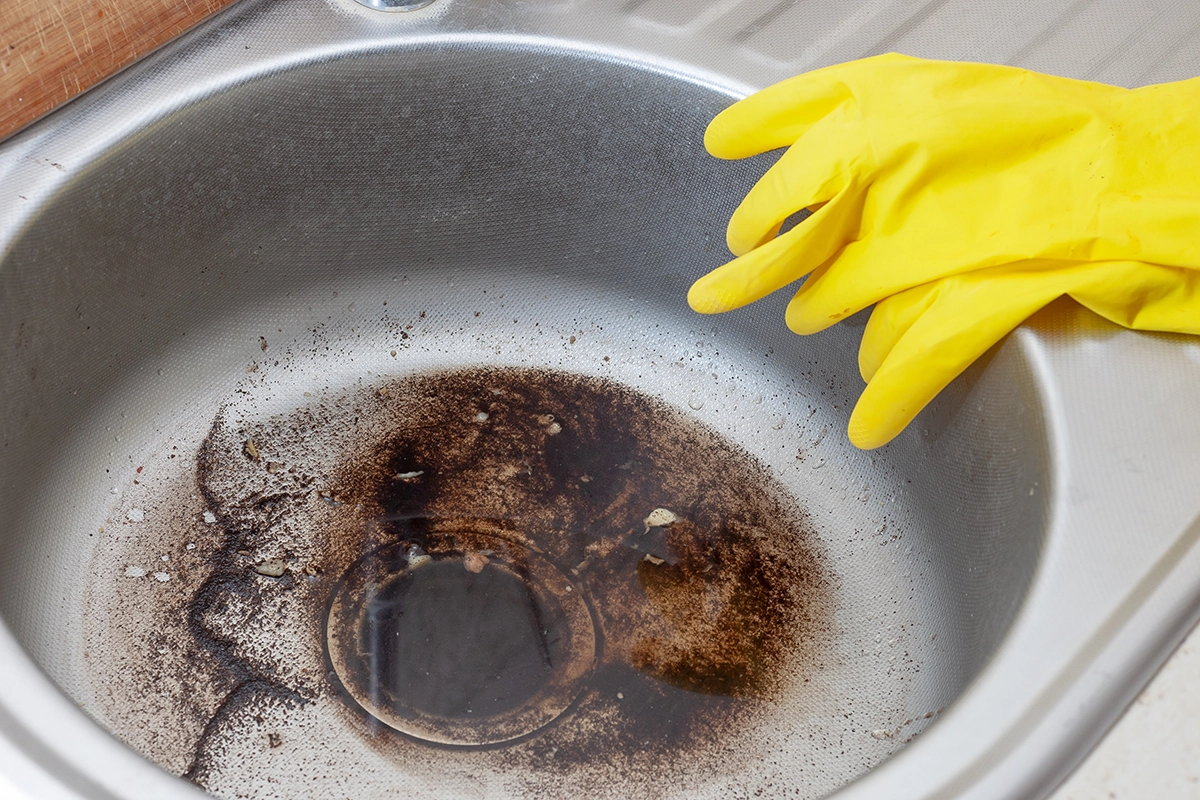
If you’ve got a kitchen sink clogged, it can throw your whole routine off fast. Suddenly dishes pile up, the dishwasher can’t drain right, and even basic cleanup turns into a hassle. And since kitchen clogs often come with slow drainage, bad smells, or standing water, it’s easy to tell pretty quickly when the problem is getting worse.
At Clog Heroes Plumbing, Sewer & Drain, we deal with clogged kitchen sinks all the time. And honestly, the most frustrating part isn’t the clog — it’s how quickly it can happen. One day the sink is fine. The next day it’s draining like molasses.
The good news? A lot of kitchen sink clogs can be handled safely at home — as long as you do it in the right order.
Why Kitchen Sinks Clog So Often in the First Place
Kitchen sinks clog more often than most drains because they handle a mix of food residue, grease, and soap — and those materials don’t wash away as easily as people assume.
Common buildup sources include:
Cooking grease and oil
Soap residue
Tiny food scraps
Coffee grounds
Rice, pasta, flour, and other starchy leftovers
Over time, that buildup sticks to the inside of the drain line. As the pipe narrows, the sink may start draining slowly — until one normal rinse finally triggers a full backup.
Kitchen Sink Clogged? Signs It’s Not Just a Small Clog
Not every sink clog is equal. Some are a quick fix. Others are a warning that the blockage is deeper.
Here’s what we look for when troubleshooting:
Slow drain + bad smell (classic grease buildup)
Both basins backing up (likely past the sink trap)
Gurgling noises (air trapped behind the clog)
Water backing into the dishwasher (shared drain line issue)
Clog keeps returning (partial clog deeper in the branch line)
If it clears and then clogs again a few days later, that’s not “bad luck.” That’s leftover buildup.
Before You Try Anything: 3 Fast Checks That Save Time
Before you start tearing anything apart, do these quick checks:
If you have a disposal, run it
Sometimes the “clog” is really just a disposal jam or packed food.Check if the dishwasher is draining
If dishwasher water backs up into the sink, that’s a clue the blockage is in the shared line.Remove standing water
Scoop it into a bucket. It’s gross, yes. But it makes everything else work better.
And avoid plunging when the sink is completely full — it usually just splashes and makes more of a mess.
Kitchen Sink Clogged? Try These DIY Fixes in the Right Order
This is the same order we’d recommend to our own friends and family. It keeps things safe, avoids damage, and usually clears the clog faster than random “trial and error” fixes.
It’s tempting to reach for chemical drain cleaner right away, but it’s rarely the best first step. The EPA actually lists drain cleaner as household hazardous waste and recommends using mechanical methods instead, like a plunger or plumber’s snake.
1. Use a Plunger (Yes, It Works on Sinks)
Most people don’t plunge the sink correctly — so they assume plungers don’t work.
Here’s the right setup:
Fill the sink so the plunger cup is sealed with water
If it’s a double sink, plug the other drain with a wet rag
Plunge hard 15–20 seconds
Repeat 2–3 rounds
If the clog is close to the top, this clears it surprisingly often.
2. Clean the Trap (This Is Where the Nastiness Lives)
If plunging doesn’t do it, the clog may be sitting right in the trap.
Put a bucket underneath, then remove the trap and clean it out.
If you pull out thick sludge that smells like old food, you likely found the blockage.
Also, not every sink setup is the same. Some homes (especially older ones) have drainage configurations that clog more easily. That’s why the trap under your sink matters so much. The differences between an S-trap vs P-trap can affect airflow, drainage speed, and how often clogs come back.
3. Snake the Drain Line (The Cleanest “Real Fix” for DIY)
If the trap is clear and the sink is still backing up, the blockage is deeper than the trap.
A basic hand snake is one of the best DIY tools for a clogged kitchen sink.
Feed it slowly
Twist as you go
Pull back debris
Repeat until it runs clean
If you hit resistance and the snake comes back covered in greasy gunk… that’s a kitchen clog doing kitchen clog things.
What Not to Do When Your Kitchen Sink Is Clogged
This is important. Some “popular hacks” cause damage, or make the clog harder to remove later.
Avoid Chemical Drain Cleaners for Grease Clogs
Chemical drain cleaners don’t actually remove grease buildup the way people think.
They might open a small channel through the clog, but that leaves the pipe walls coated. Then you’re right back where you started.
They can also be rough on plumbing materials over time — especially if you’ve got PVC drain piping, which is extremely common in homes.
Don’t Dump Grease Down the Drain, Even With Hot Water
This is the #1 reason kitchen drains clog.
It doesn’t matter if you follow it with soap, boiling water, or wishes and prayers. Grease cools and sticks to pipe walls.
The EPA warns homeowners not to pour cooking oil or grease down the drain, because it can contribute to clogs and messy backups.
That’s one of the most common reasons kitchen sink clogs keep coming back.
How to Prevent a Clogged Kitchen Sink From Coming Back
After the clog is cleared, prevention is what keeps you from dealing with this again next month.
Here’s what works in real life:
Wipe grease out of pans before washing
Use a strainer every day
Don’t rinse coffee grounds down the drain
Don’t “test fate” with rice or pasta
Flush with hot water after cooking cleanup
Also — and this is the part nobody wants to hear — kitchen sink clogs aren’t caused by one big mistake. They’re caused by small daily habits stacking up.
That’s why the fix needs to be consistent too.
Kitchen Sink Clogged Again and Again? That’s When to Call a Pro
If your clogged kitchen sink is a repeat offender, DIY cleaning might not be enough.
Here are the situations where we strongly recommend professional service:
The clog keeps coming back
More than one drain is slow
Plunging and trap cleaning don’t help
Water backs up into the dishwasher
The sink clogs even when you’re careful
That usually means the line needs professional drain cleaning, not just a quick “opening” of the clog.
So if you’ve cleared the clog three times and it keeps coming back? It’s not your imagination. The line probably needs deeper cleaning.
A Simple Next Step If DIY Didn’t Do the Job
If you’ve tried the safe DIY steps and the sink still won’t drain, don’t spend the entire day fighting it. You deserve your kitchen back.
If you’re in Fredericksburg, VA or one of the surrounding areas, contact Clog Heroes Plumbing, Sewer & Drain. We’ll find the cause fast, clear it properly, and help keep it from becoming your monthly tradition.
Because dealing with a clogged kitchen sink once is annoying. Dealing with it every week is a personal attack.
FAQs
Here are a few quick answers homeowners ask us all the time:
Grease and soap scum still build up inside the pipe even without food scraps. Sometimes. It may soften grease, but it won’t remove heavy buildup by itself. It’s not ideal, especially with recurring clogs. It can create future pipe issues. A partial clog may remain, leaving pipe walls coated so buildup returns quickly.Why does my kitchen sink clog even if I use a strainer?
Can boiling water unclog a kitchen sink?
Is it safe to use drain cleaner in a clogged kitchen sink?
Why does my sink clog again shortly after I clear it?