P Trap Guide: What It Is and When You Need Help
Home /
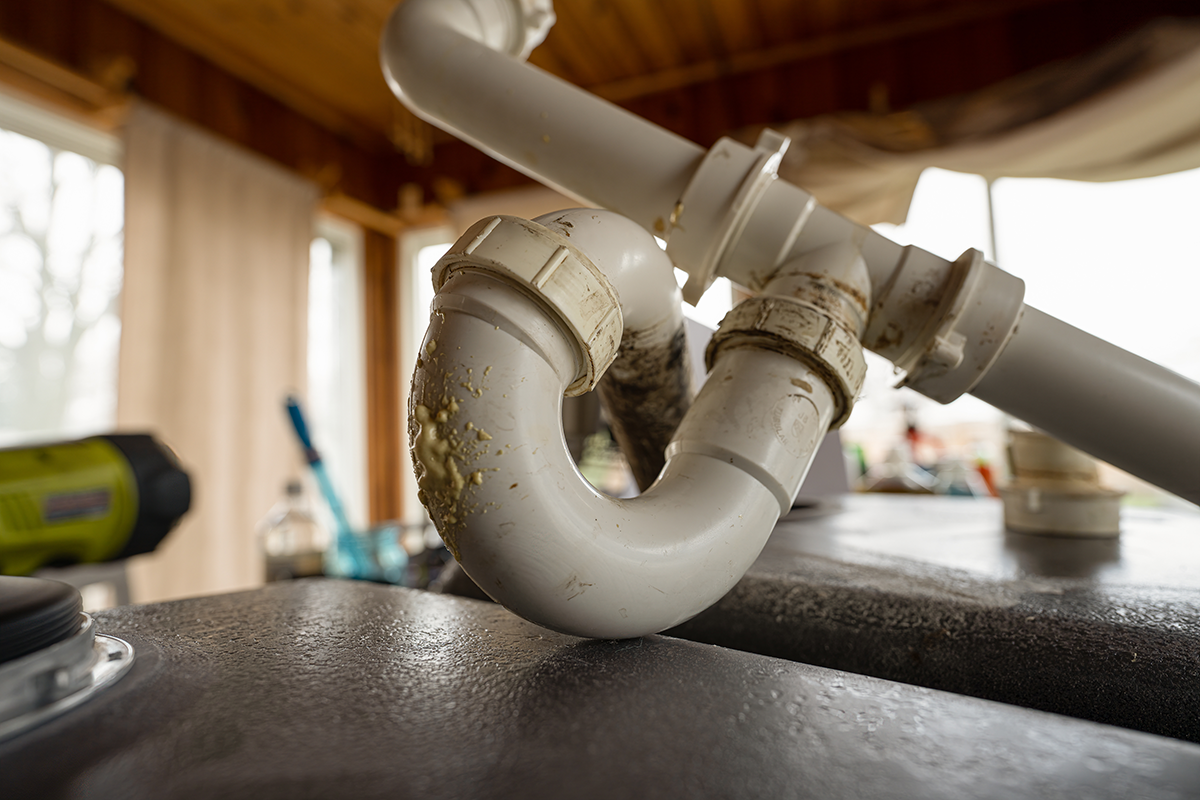
If you’ve ever looked under your kitchen or bathroom sink, you’ve probably noticed a curved pipe that dips down before connecting to the wall. That’s called a p trap, and it plays a bigger role in your home’s plumbing than you might think. This simple but essential component keeps your home safe from sewer gases and helps prevent clogs from backing up into your living space.
At Clog Heroes, we help homeowners in Fredericksburg, Spotsylvania, Stafford, and King George understand their plumbing systems and know when to call for professional help. In this guide, we’ll explain what a p trap is, how it works, common problems you might face, and when you should reach out to a licensed plumber.
What Is a P Trap?
A p trap is a U-shaped or J-shaped pipe located beneath sinks, tubs, and other plumbing fixtures. The name comes from its shape—when viewed from the side, it resembles the letter “P.” This design isn’t just for looks. The bend in the pipe holds a small amount of water at all times, creating a seal that blocks sewer gases from rising up through your drain and entering your home.
Without a functioning p trap, you’d notice unpleasant odors, potential health hazards, and even pest problems. Every time you run water down the drain, fresh water replaces the old water in the trap, keeping that seal intact. It’s a simple but brilliant piece of engineering that’s been part of standard plumbing for over a century.
How a P Trap Works
The curve of the p trap holds water and creates what’s called a water seal. This seal prevents gases—like hydrogen sulfide—from your sewer line or septic system from entering your home. According to the ATSDR Public Health Statement on Hydrogen Sulfide, hydrogen sulfide is associated with municipal sewers and exposure happens primarily through the air you breathe.
When you use your sink or tub, wastewater flows through the drain and down through the p trap. Gravity pulls the water through the bend and into the drainpipe that leads to your sewer or septic system. The trap retains just enough water to maintain the seal, usually about two to four inches deep, depending on the size of the fixture.
P traps also catch small objects that accidentally fall down the drain—like rings, earrings, or other valuables. Because of the trap’s shape, these items often settle in the bend rather than flowing all the way into the sewer line. That’s why a professional plumber can sometimes retrieve lost items by removing the p trap carefully.
Common P Trap Problems Homeowners Face
Even though p traps are simple and reliable, they can develop issues over time. Here are the most common problems homeowners notice:
Clogs and Blockages
The curved shape that makes the p trap so effective at blocking gases also makes it a natural spot for clogs to form. Hair, soap scum, grease, food particles, and other debris can accumulate in the bend and slow or stop water from draining properly. If you notice water backing up in your sink or tub, the p trap is often the first place a plumber will check.
Homeowners sometimes try to clear clogs with chemical drain cleaners, but these products can damage pipes over time and aren’t always effective. A licensed plumber uses professional tools and techniques to clear the blockage without harming your plumbing system.
Dry P Trap
Leaks and Corrosion
P traps are typically made from PVC, ABS plastic, or metal like brass or chrome. Over time, these materials can crack, corrode, or develop leaks—especially if the connections loosen or the trap is bumped or jostled. Metal traps are more prone to corrosion, particularly in older homes or areas with hard water.
If you see water pooling under your sink or notice moisture on the trap itself, you likely have a leak. Even a small leak can lead to water damage, mold growth, and higher water bills if left unchecked. A certified technician will inspect the trap, tighten loose connections when possible, or replace the trap if the damage is too severe to repair.
Improper Installation
Signs You Need Professional Help
While some minor p trap issues can be addressed by homeowners—like refilling a dry trap—most problems require the skill and tools of a licensed plumber. Here are the warning signs that it’s time to call for help:
- Persistent slow drainage: If water drains slowly even after you’ve tried basic troubleshooting, the clog may be deeper in the line or the trap may be partially blocked.
- Foul odors: A sewer smell near a drain usually means the water seal is broken or the trap is damaged.
- Visible leaks: Any sign of water dripping or pooling under a sink is a red flag.
- Gurgling sounds: Unusual noises when water drains can indicate a venting issue or partial blockage.
- Recurring clogs: If the same drain clogs repeatedly, there’s likely a larger issue at play.
Ignoring these signs can lead to bigger problems down the road, including water damage, mold, and costly repairs. When you notice any of these issues, it’s smart to contact a professional for a thorough inspection and repair.
Why P Traps Are Required by Code
In the United States, plumbing codes require a p trap or similar trap on plumbing fixtures that connect to a drainage system. According to IAPMO, each fixture must be separately trapped, and the water seal helps prevent sewer gas from entering the room. This requirement helps protect indoor air quality and supports safe plumbing system design.
Building inspectors look for p traps during home inspections, and missing or improperly installed traps can delay closings or require costly corrections. Whether you’re remodeling a bathroom or installing a new sink, a licensed plumber ensures your p traps meet all local and national code requirements.
What Happens During a Professional P Trap Repair
When you call Clog Heroes for a p trap issue, here’s what you can expect:
Your plumber will start by inspecting the trap and surrounding plumbing to identify the problem. They’ll check for clogs, leaks, corrosion, and proper installation. If the issue is a simple clog, they may remove the trap, clear the debris, and reinstall it securely.
If the trap is damaged or corroded, your technician will remove it and install a new one that matches your plumbing system and meets current code standards. They’ll also check the connections and seals to prevent future leaks.
In some cases, the problem isn’t with the p trap itself but with the venting system or drainpipe beyond the trap. A professional plumber has the tools and expertise to diagnose the root cause and recommend the right solution—whether that’s a trap replacement, drain cleaning, or more extensive plumbing repairs.
How to Keep Your P Trap in Good Shape
While you can’t prevent every plumbing problem, a few simple habits can help your p trap last longer and work better:
- Run water regularly in all sinks and fixtures to keep the water seal intact.
- Avoid pouring grease, oils, or food waste down kitchen drains.
- Use drain screens or strainers to catch hair and debris before they enter the trap.
- Don’t use harsh chemical drain cleaners that can corrode pipes.
- Schedule routine plumbing inspections to catch small issues before they become big problems.
If you’re unsure about the condition of your p trap or notice any changes in how your drains perform, it’s always better to call a professional sooner rather than later. Early intervention can save you time, money, and frustration.
Why Choose Clog Heroes for P Trap Services
At Clog Heroes, we’ve built our reputation on fast, reliable plumbing service throughout the Fredericksburg area. Our licensed plumbers have the training and experience to handle all kinds of p trap problems, from simple clogs to full replacements. We arrive on time, diagnose the issue quickly, and provide upfront pricing so you know exactly what to expect.
We serve homeowners, property managers, and businesses in Fredericksburg City, Spotsylvania, Stafford, and King George counties. Whether you need emergency repairs or routine maintenance, we’re here to help. Our team is available 24/7 because plumbing problems don’t wait for business hours.
If you’re dealing with a stubborn clog, a foul odor, or a leaking p trap, don’t wait. Contact Clog Heroes today and let us restore your plumbing to top condition.
Understanding the Difference Between P Traps and Other Traps
While the p trap is the most common type of plumbing trap, you may have heard of other designs like the s trap or drum trap. Each has its own purpose and characteristics, but the p trap is the only one that meets modern plumbing codes in most areas.
An s trap looks similar to a p trap but has a different drainage configuration that can lead to siphoning and loss of the water seal. Because of this, modern plumbing codes no longer allow s traps in new construction, though you may still find them in older homes. If you’re curious, it helps to understand why p traps replaced s traps in modern plumbing.
Drum traps are older-style traps that were common in early 20th-century plumbing. They’re larger and cylindrical, and they tend to collect debris more easily than p traps. Most plumbers recommend replacing drum traps with modern p traps during renovations.
When to Replace vs. Repair a P Trap
Not every p trap problem requires a full replacement. In many cases, a professional plumber can tighten connections, clear a clog, or replace a worn gasket to restore proper function. However, there are situations where replacement is the better option:
- Cracks or breaks in the trap body
- Severe corrosion that weakens the material
- Leaks that can’t be fixed by tightening or replacing seals
- Outdated materials that don’t meet current plumbing codes
Your plumber will assess the condition of the trap and recommend the most cost-effective solution. Replacing a p trap is a straightforward job for a licensed professional and usually takes less than an hour, depending on the fixture and access.
Final Thoughts
The p trap is a small but essential part of your home’s plumbing system. It keeps sewer gases out, catches debris, and helps your drains work smoothly every day. When problems arise—whether it’s a clog, a leak, or a foul odor—knowing when to call a professional can save you time, money, and hassle.
If you’re in Fredericksburg, Spotsylvania, Stafford, or King George and need help with a p trap or any other plumbing issue, Clog Heroes is here to help. We bring the tools, training, and experience to handle any job, big or small. Reach out to us today and let us take care of your plumbing like the heroes we are.
Frequently Asked Questions
What does a p trap do under my sink?
A p trap holds a small amount of water in its curved shape to block sewer gases from entering your home. It also catches debris and small objects that accidentally go down the drain.
Why does my sink smell like sewer even though it drains fine?
If you haven’t used the sink recently, the water seal in your p trap may have evaporated, or a crack or leak in the trap may be letting sewer gas through. Running water for a minute may fix it, but persistent odors need a plumber’s inspection.
Can I replace a p trap myself?
Some homeowners try to install p traps themselves, but proper function and code compliance depend on the correct height and angle. A licensed plumber can install the trap correctly and help prevent future leaks or drainage issues.
How often should a p trap be replaced?
P traps made from durable materials like PVC can last for many years. Replace them when you notice leaks, cracks, corrosion, or recurring clogs that cleaning doesn’t resolve.