S Trap vs P Trap: Understanding Plumbing Trap Differences
Home /
Understanding the Key Differences Between S Traps and P Traps
When it comes to your home’s plumbing system, drain traps play a crucial role in preventing sewer gases from entering your living space. Two common types you’ll encounter are S traps and P traps, and understanding their differences can help you identify potential problems before they become costly repairs. At Clog Heroes, we frequently see homeowners confused about these essential plumbing components and when each type might be causing issues.
Both trap types serve the same primary function: creating a water seal that blocks harmful sewer gases from rising up through your drains. However, their design differences affect performance, code compliance, and long-term reliability in ways that can significantly impact your home’s plumbing system. Understanding the s trap vs p trap debate is essential for making informed plumbing decisions.
What Is an S Trap and How Does It Work?
An S trap gets its name from its distinctive S-shaped curve that resembles the letter when viewed from the side. This older trap design connects directly to a floor drain without requiring a wall connection. The S trap creates two curves – one going down and another coming back up – which forms the water seal that prevents sewer gases from escaping.
S traps were commonly installed in older homes, particularly in basements and utility areas where floor drains were standard. The trap relies entirely on gravity and the water flowing through it to maintain the seal. However, this design has several inherent weaknesses that have led to its phase-out in modern plumbing installations. When comparing s trap vs p trap performance, these limitations become apparent.
One major issue with S traps is their tendency to self-siphon. When water flows rapidly through the trap, it can create a siphoning effect that pulls all the water out of the trap, breaking the seal and allowing sewer gases to enter your home. This problem occurs more frequently in S traps because they lack proper venting.
Common Problems with S Trap Systems
The self-siphoning issue creates multiple problems for homeowners. When the water seal breaks, you’ll notice unpleasant odors coming from the drain – often described as a rotten egg or sewage smell. These odors indicate that harmful gases are entering your living space, which can pose health risks over time.
Additionally, S traps are more prone to clogs because of their configuration. The double curve creates areas where debris can accumulate, leading to slow drainage and eventual blockages. The design also makes cleaning and maintenance more challenging for professional plumbers.
Understanding P Trap Design and Function
P traps earned their name from their P-shaped profile when viewed from the side. Unlike S traps, P traps connect to a wall drain rather than a floor drain, and they’re designed to work with proper ventilation systems. This modern trap design includes a horizontal section that connects to the wall, creating a more stable water seal.
The key advantage of P trap design lies in its integration with the home’s venting system. Proper venting prevents the siphoning effect that plagued S traps by allowing air to enter the system and equalize pressure. This means the water seal remains intact even during heavy water flow, maintaining consistent protection against sewer gases. This fundamental difference makes the s trap vs p trap comparison heavily favor P traps in modern applications.
P traps are now the standard in modern plumbing installations and are required by most building codes. They’re commonly found under sinks, in shower drains, and in other residential applications where reliable odor control is essential.
Advantages of P Trap Systems
The superior design of P traps offers several benefits over their S trap predecessors. The stable water seal means fewer odor problems and more reliable protection against sewer gas infiltration. The horizontal connection point also makes installation and maintenance easier for professional plumbers.
P traps also tend to experience fewer clogs because their shape allows for better water flow and debris removal. When clogs do occur, the design makes them more accessible for cleaning and maintenance procedures.
Code Compliance and Legal Requirements
Building codes have evolved significantly regarding drain trap requirements, and this evolution reflects the proven superiority of P trap systems. Most modern building codes prohibit the installation of new S traps in residential and commercial applications due to their inherent design flaws. This regulatory shift definitively settles the s trap vs p trap debate in favor of P traps for new installations.
If you’re renovating or upgrading your plumbing system, you’ll likely be required to replace any existing S traps with P trap configurations. This requirement isn’t just about following regulations – it’s about ensuring your home’s plumbing system operates safely and effectively.
The Environmental Protection Agency emphasizes the importance of proper ventilation and gas prevention in residential plumbing systems, which supports the move toward P trap requirements in building codes.
When Replacement Becomes Necessary
Several signs indicate that an S trap system needs professional attention or replacement. Persistent sewer odors coming from drains are the most obvious warning sign, especially if the smells return shortly after running water through the system. Frequent drain clogs in the same location can also indicate S trap problems.
Gurgling sounds from drains often signal venting issues common with S trap installations. If you notice water levels in rarely used drains dropping significantly, this could indicate the self-siphoning problem that affects S trap systems.
Professional Installation and Conversion Services
Converting from an S trap to a P trap system requires professional expertise and often involves significant modifications to your plumbing infrastructure. The process typically requires rerouting drain lines, installing proper venting, and ensuring all connections meet current building codes. Understanding the s trap vs p trap conversion process helps homeowners prepare for this important upgrade.
A certified plumber will assess your current system configuration and determine the best approach for conversion. This might involve opening walls to install new drain lines or modifying the venting system to accommodate the new trap design. The complexity of this work makes professional installation essential for ensuring code compliance and proper function.
At Clog Heroes, our experienced technicians regularly handle trap conversions and upgrades throughout the Fredericksburg area. We understand the local building codes and can ensure your new P trap system meets all requirements while providing reliable, long-term performance.
What to Expect During Professional Service
When you contact a professional plumber for trap evaluation or conversion, they’ll first assess your current system to identify the trap type and any existing problems. This assessment includes checking for proper venting, measuring water seal depth, and testing for siphoning issues.
The technician will explain the differences between your current system and recommended upgrades, providing clear information about costs, timeframes, and any necessary permits. They’ll also identify any additional improvements that might benefit your plumbing system’s overall performance.
Identifying Which Trap Type You Have
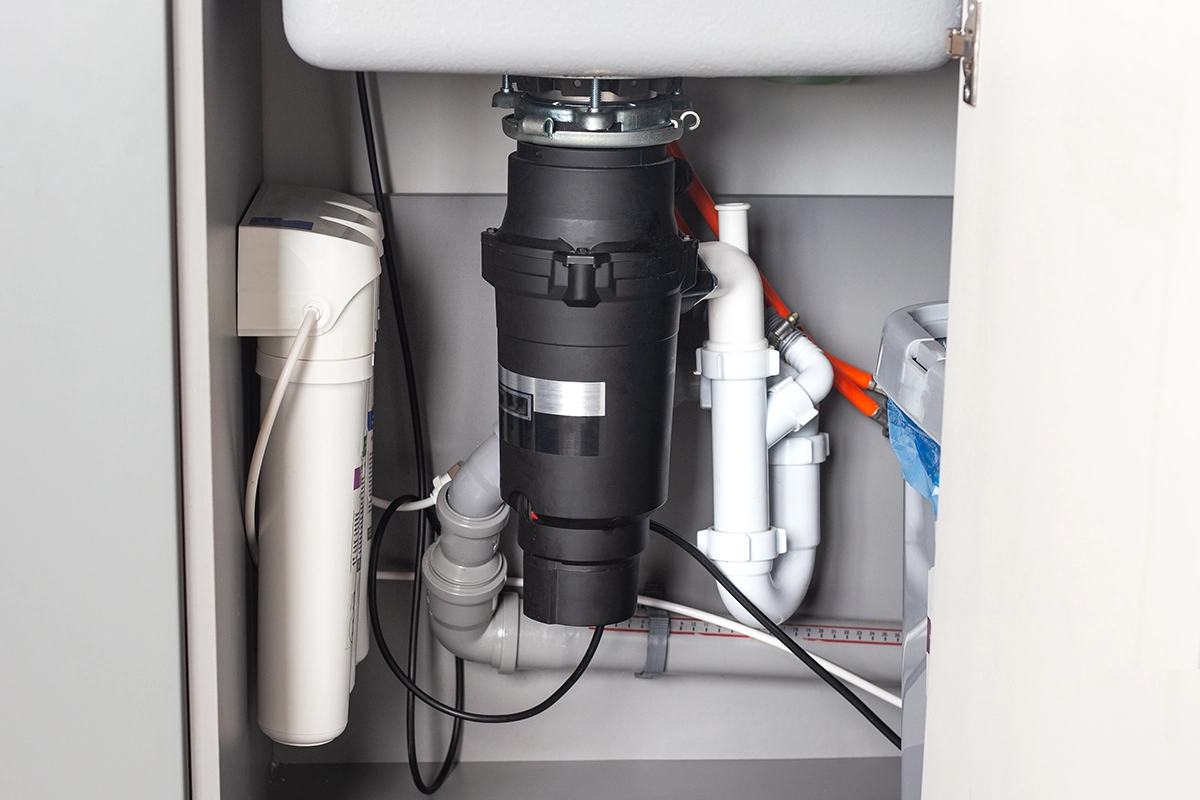
Determining whether your home has S traps or P traps requires visual inspection of the drain connections. Look under sinks and in utility areas where drain pipes are visible. S traps will show the characteristic S-curve shape connecting directly to floor drains, while P traps will have the P-shaped configuration connecting to wall drains.
In many older homes, you might find a combination of both trap types, depending on when different areas were installed or renovated. This mixed configuration can create inconsistent performance throughout your plumbing system.
If you’re experiencing recurring odor problems or frequent clogs in specific drains, the trap type might be contributing to these issues. Professional assessment can determine whether trap replacement or other modifications would resolve these problems.
Maintenance Considerations for Both Trap Types
Regardless of which trap type you currently have, regular maintenance helps ensure optimal performance. For existing S traps, this means being especially vigilant about maintaining water seals and addressing odor problems quickly. Running water through rarely used drains helps maintain the water seal and prevents gas infiltration.
P trap systems require less intensive maintenance but still benefit from regular professional inspection. Professional drain cleaning services can identify developing problems before they cause major issues and ensure your traps continue protecting your home effectively.
Both trap types can accumulate debris over time, affecting drainage performance. Professional cleaning removes this buildup and restores proper water flow through the system.
When to Contact Professional Plumbers
Several situations warrant immediate professional attention regarding your drain trap systems. Persistent sewer odors that return despite running water through drains indicate potential trap seal problems that require expert diagnosis. Multiple drains experiencing similar problems simultaneously often point to systemic issues with trap design or venting.
If you’re planning bathroom or kitchen renovations, this presents an ideal opportunity to upgrade from S traps to modern P trap systems. Professional plumbers can integrate these upgrades seamlessly into your renovation project, ensuring code compliance and optimal performance.
Strange sounds from your plumbing system, such as gurgling or bubbling from drains, often indicate venting problems commonly associated with S trap installations. These sounds suggest your system isn’t functioning properly and needs professional evaluation.
For additional insight into drain-related problems and when professional help is needed, check out our guide on drain repair signs and learn about common causes of sewer smells in your home.
Understanding the differences between S trap vs P trap systems helps you make informed decisions about your home’s plumbing maintenance and upgrades. While both serve the essential function of preventing sewer gas infiltration, P traps offer superior performance, code compliance, and long-term reliability. If you suspect your home has problematic S traps or you’re experiencing recurring drain issues, contact our professional team for expert evaluation and reliable solutions.
Frequently Asked Questions
What’s the main difference between an S trap and P trap?
The main difference is their shape and connection point – S traps have an S-shaped curve connecting to floor drains, while P traps have a P-shaped curve connecting to wall drains with proper venting.
Are S traps still allowed in new construction?
No, most modern building codes prohibit S traps in new construction due to their tendency to self-siphon and lose their water seal, allowing sewer gases to enter homes.
Why does my S trap drain smell like sewage?
S traps can self-siphon, pulling water out of the trap and breaking the seal that prevents sewer gases from entering your home, which causes the sewage smell.
Can I convert an S trap to a P trap myself?
Converting S traps to P traps requires professional installation as it typically involves rerouting drain lines, installing proper venting, and ensuring code compliance.