Sewer Backup Alarm System: How It Works and Why It Helps
Home /
If you’re researching a sewer backup alarm system, you’re probably trying to prevent a nightmare cleanup, not just learn a new plumbing term. At Clog Heroes Plumbing, Sewer & Drain, we talk with homeowners about backup risk all the time, and in many cases, early warning is what helps limit damage and stress.
A sewer backup alarm system is not a cure for a blocked line. However, it can give you an early alert when wastewater levels rise where they should not. That warning can buy you time to stop water use, protect belongings, and call for help fast.
What a Sewer Backup Alarm System Does
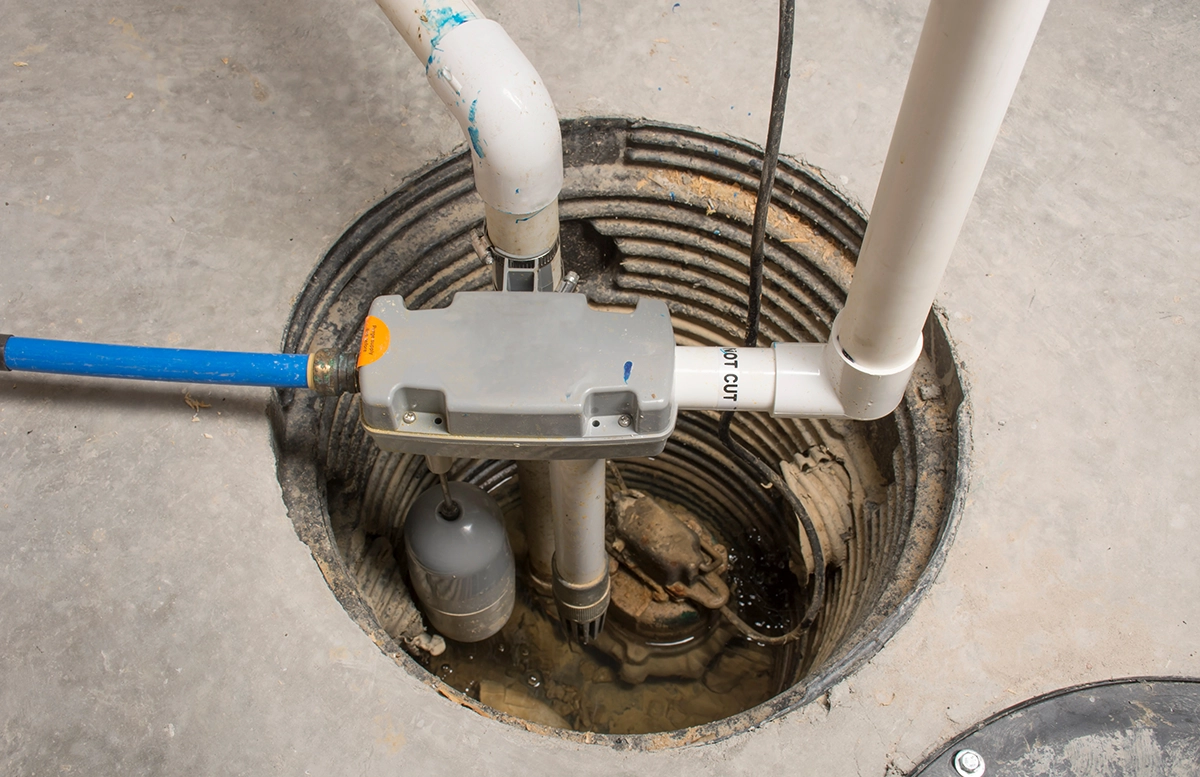
A sewer backup alarm system is designed to warn you when sewage or wastewater reaches a certain level in a pit, cleanout area, or other monitored point. In simple terms, it alerts you before a backup becomes a bigger mess inside the home.
Depending on the setup, the system may use an audible alarm, a light, or both. Some newer systems also send mobile alerts. Still, the core idea is the same: early detection.
That matters because sewer backups can damage flooring, drywall, and furniture quickly. Sewage flooding also creates cleanup and sanitation concerns, and in many cases, some materials may need to be removed and replaced. The CDC also recommends wearing protective gear like rubber boots, gloves, and goggles when sewage is involved.
Why a Sewer Backup Alarm System Helps Homeowners
A sewer backup alarm system helps because it gives you a warning before the problem spreads. It does not replace maintenance or repairs. Instead, it adds a layer of protection.
We usually explain it this way: an alarm helps you respond faster, while inspections and cleaning help reduce the chance of the backup in the first place. You want both strategies working together.
Also, sewer problems often start with warning signs people brush off. Slow drains, toilet gurgling, and sewer odors can all show up before a major backup. When sewer odors are part of the picture, we usually tell homeowners to take them seriously early, because that smell can point to a drain or sewer issue that is getting worse.
Common Situations Where an Alarm Makes Sense
A sewer backup alarm system may be worth discussing if you have:
A basement or lower-level fixtures
A history of backups or heavy drain issues
Older sewer lines
Frequent heavy rain concerns
A property with recurring root intrusion or buildup
In other words, this is a prevention conversation, not just an emergency purchase.
Alarm System vs. Backwater Valve: Not the Same Thing
This is a common point of confusion for homeowners. A sewer backup alarm system alerts you to a rising-water or backup condition. A backwater valve is a physical device installed in the sewer line to help prevent sewage from flowing back into the home under certain conditions. They support the same goal, but they do different jobs.
Where Clog Heroes Fits In
At Clog Heroes Plumbing, Sewer & Drain, we focus on identifying the actual sewer issue first. If a line is already clogged, broken, or root-packed, an alarm alone will not solve the problem.
That’s why a camera inspection of the sewer line is often the best next step when backup risk keeps coming back. It lets us see what’s happening inside the pipe and recommend the right fix instead of guessing. In many cases, backup issues also involve the access point itself, so it helps to know the warning signs of a clogged sewer cleanout and what to do next.
What to Do If the Alarm Goes Off
If your sewer backup alarm system activates, act quickly and keep it simple:
Stop running water in the home.
Avoid flushing toilets or using drains.
Check for visible backup signs safely.
Call a plumber for diagnosis right away.
Do not assume the issue will “clear itself” if the warning stops. Sometimes the condition changes temporarily, but the root problem stays put.
If you have active backup, overflowing fixtures, or sewage coming up fast, this is the point to contact a 24/7 emergency plumbing team for immediate help.
Why Prevention Matters for Sewer Backup Risk
Many sewer overflows are tied to maintenance, capacity, or system-condition issues. The EPA specifically lists sewer system cleaning and maintenance among the ways SSOs can be reduced. That lines up with what we see in the field: prevention work usually costs less than cleanup.
A sewer backup alarm system can be a smart part of that prevention plan, especially for homes with higher backup risk. Still, the best results come from pairing early warning with inspection, maintenance, and fast response when symptoms show up.
Contact Clog Heroes for Sewer Backup Risk Prevention
If you’re in Fredericksburg, VA or the surrounding areas and want help evaluating backup risk, contact Clog Heroes Plumbing, Sewer & Drain. We can inspect the line, explain what we find, and help you choose practical next steps before a sewer backup turns into a major mess.
FAQs About Sewer Backup Alarm Systems
Homeowners ask us these questions a lot, especially after a close call.
A sewer backup alarm system is a warning device that alerts you when wastewater rises to an unsafe level in a monitored area. Most systems use a float or sensor to detect rising wastewater, then trigger an audible alarm, light, or both. No. They do not stop a clog or sewer line failure. They warn you early so you can respond faster and reduce damage. Stop using water immediately, avoid flushing toilets, check for backup signs safely, and call a plumber for diagnosis right away.What is a sewer backup alarm system?
How does a sewer backup alarm system work?
Do sewer backup alarm systems prevent backups?
What should I do if my sewer backup alarm goes off?