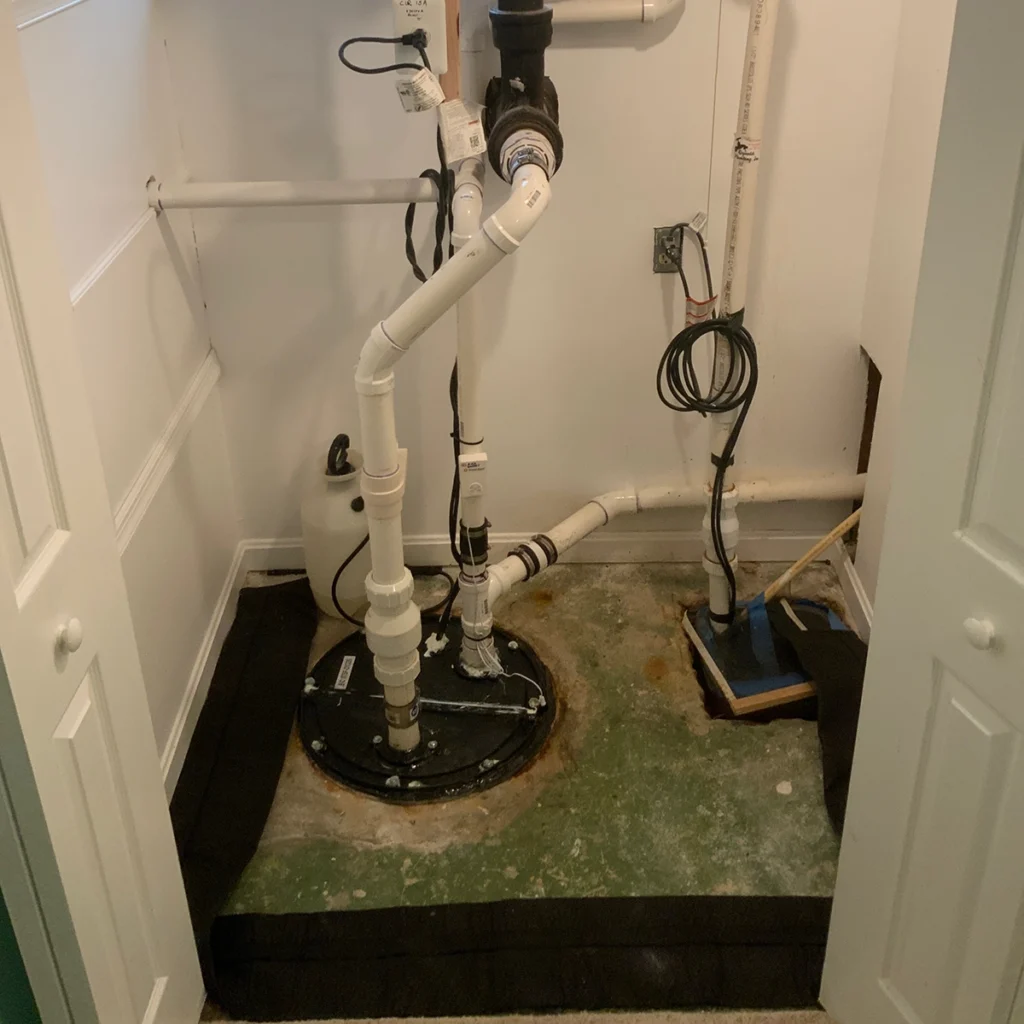
Sump pump maintenance is one of those tasks homeowners often forget—until water shows up where it absolutely shouldn’t. From what we see every week at Clog Heroes Plumbing, Sewer & Drain, most sump pump failures aren’t sudden or mysterious. Instead, they build quietly over time. Because of that, a little attention now can prevent a very expensive cleanup later.
A sump pump sits out of sight, so it’s easy to assume it’s fine. However, sump pumps don’t give much warning before they fail. When a pump fails, it often happens during heavy rain, power outages, or snowmelt. That timing is never convenient (and never cheap).
Why Sump Pump Maintenance Actually Matters
Sump pump maintenance protects more than just your basement floor. It also helps preserve foundations, finished spaces, stored belongings, and even indoor air quality. When water lingers, moisture problems tend to follow.
More importantly, routine care reduces emergency failures. While sump pumps are built to handle harsh conditions, they still rely on mechanical parts. Over time, switches stick, debris builds up, and motors wear down. Eventually, something gives.
From our experience, many homeowners assume their pump is working simply because it ran once. Unfortunately, that test doesn’t tell the full story.
Sump Pump Maintenance Starts With Simple Visual Checks
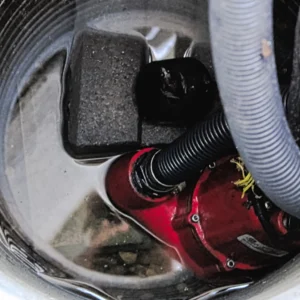
Before getting technical, start with the basics. First, remove the sump pit cover and look inside. The pit should be relatively clean. If you see mud, gravel, or construction debris, that’s a red flag.
Next, check the discharge pipe connection. Loose fittings can leak water right back into the pit. Also, confirm the pump sits upright. A tilted pump may jam the float switch (which happens more than you’d think).
At Clog Heroes Plumbing, Sewer & Drain, we often find pumps that technically run but don’t move water efficiently. That’s usually because of small issues that were ignored early.
How Often Sump Pump Maintenance Should Be Done
As a rule, sump pump maintenance should happen at least once a year. However, homes with frequent groundwater issues benefit from twice-yearly checks.
Spring is ideal because snowmelt and rain stress the system. Fall is also smart, especially before winter freezes hit. If your pump runs often, more frequent checks make sense.
Sump Pump Maintenance and Float Switch Testing
The float switch controls when the pump turns on and off. If it sticks, the pump won’t run—or it won’t stop running. Either scenario causes problems.
To test it, slowly pour water into the pit. The pump should activate smoothly. Then, watch it shut off once water drops. Jerky movement or delayed response signals trouble.
We’ve seen many “dead pumps” that only needed a float adjustment. Other times, replacement is the safer call (better now than during a storm).
Power Supply and Backup Systems Matter
Even perfect sump pump maintenance can’t overcome power loss. That’s why backups matter.
If your home relies on a single electric pump, consider a battery or water-powered backup. These systems keep water moving during outages. While not required, they’re invaluable in flood-prone areas.
According to FEMA’s flood preparedness guidance, homeowners are encouraged to protect their property and consider systems like sump pumps to reduce flood damage.
Discharge Lines and Exterior Drainage
Maintenance doesn’t stop at the pump itself. The discharge line needs attention too. It should move water at least several feet away from the foundation.
If water cycles back toward the house, the pump works harder than necessary. Over time, that shortens lifespan.
In many homes, sump pumps work alongside perimeter drainage systems. When those systems fail, pumps get overwhelmed. That’s why understanding how these drainage systems control groundwater can help homeowners see the bigger picture.
Signs Your Sump Pump Needs Immediate Attention
Some warning signs shouldn’t wait. Unusual noises, constant cycling, visible rust, or a burning smell all point to problems. Likewise, if your basement feels damp despite recent rain stopping, the pump may not be keeping up.
Another overlooked sign is age. If your pump is nearing the end of its expected lifespan, it helps to understand how long sump pumps last and what factors shorten that timeline. In many cases, proactive replacement is far cheaper than emergency service.
According to flood insurance and damage statistics from the Insurance Information Institute, flood losses remain among the most costly disasters nationwide.
A Practical Sump Pump Maintenance Routine
To keep things simple, here’s a realistic approach:
-
Inspect the pit visually every few months
-
Test the pump before heavy rain seasons
-
Clear debris promptly
-
Confirm discharge flow outside
-
Schedule professional inspections periodically
This routine goes a long way, but it doesn’t catch everything.
When Professional Sump Pump Maintenance Makes Sense
DIY checks are helpful. Still, professional inspections catch things homeowners miss. At Clog Heroes Plumbing, Sewer & Drain, we test flow rates, inspect check valves, verify electrical safety, and assess pit sizing.
We also look at how the pump fits into the home’s overall drainage strategy. Sometimes the pump is fine, but the surrounding system isn’t. And if testing reveals worn components, electrical issues, or mechanical failures, professional sump pump repair is often the safest next step.
Final Thoughts
Sump pump maintenance isn’t glamorous, but it’s effective. When done consistently, it keeps water where it belongs—outside your home. From our daily work at Clog Heroes Plumbing, Sewer & Drain, we’ve seen how small maintenance steps prevent major damage.
If you want help inspecting, servicing, or upgrading your system, contact us to schedule a visit. Our team is here to walk you through your options and help you decide what makes sense for your home. We’re proud to help homeowners in Fredericksburg, VA and nearby communities stay dry, protected, and prepared. In the long run, smart sump pump maintenance saves stress, money, and a whole lot of cleanup.
FAQs About Sump Pump Maintenance
Here are a few common questions we hear from homeowners nationwide.
At least once a year, though high-use pumps benefit from twice-yearly checks.
Yes. Switch issues or power problems can cause sudden failure.
Occasional operation is normal. Constant cycling signals a problem.
Yes. Professionals catch issues that visual checks often miss.
How often should sump pump maintenance be done?
Can a sump pump fail without warning?
Does a sump pump need to run regularly?
Is professional maintenance worth it?