Vent Stack Problems and Symptoms You Shouldn’t Ignore
Home /
At Clog Heroes Plumbing, Sewer & Drain, we spend a lot of time diagnosing issues most people never see. One of the most misunderstood is the vent stack. Although it stays hidden behind walls and above ceilings, it plays a critical role in how your plumbing system works. When problems develop, the symptoms often show up as slow drains, sewer odors, or noisy toilets—issues that are easy to dismiss as minor or unrelated at first.
Those early warning signs matter. Venting problems rarely fix themselves. When a vent stack struggles, it often creates a chain reaction throughout the plumbing system. That’s why understanding the warning signs early can help prevent costly repairs.
What a Vent Stack Does in a Plumbing System
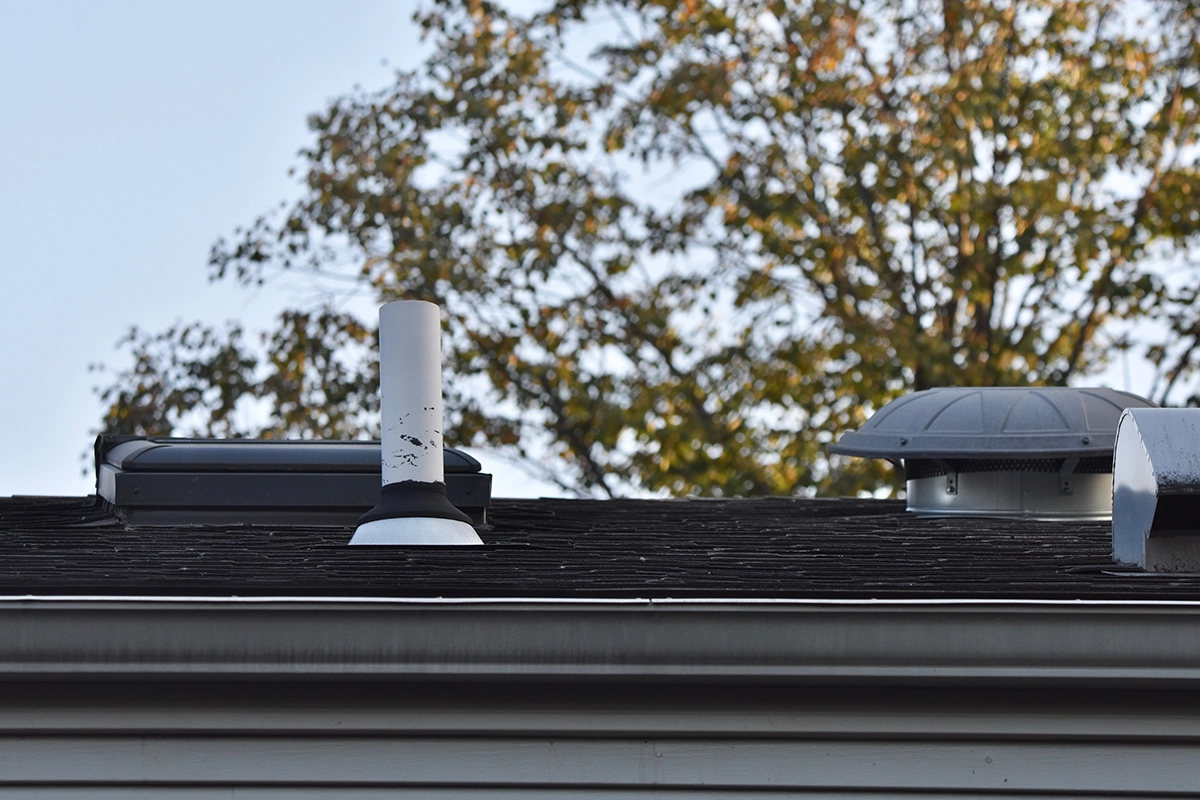
A vent stack is the vertical pipe that allows air to enter your plumbing system. That airflow keeps wastewater moving smoothly through drain lines. Without proper venting, negative pressure can form and disrupt drainage.
In simple terms, a plumbing vent stack helps water flow in the right direction while preventing sewer gases from entering living spaces. Drain pipes remove waste, while vent pipes balance pressure. Both systems must work together for proper performance.
According to American Home Shield, plumbing vent pipes allow sewer gases to safely escape through the roof while also helping drains function properly by maintaining balanced air pressure inside the system. When vents become blocked or fail to work correctly, homeowners may notice slow drains, gurgling sounds, or sewer odors indoors.
Common Vent Stack Problems We See in the Field
Over time, several issues can affect a vent stack. While some develop slowly, others appear after storms or seasonal changes.
Leaves, nests, and debris often cause a clogged vent stack, especially in colder months, limiting airflow and triggering drainage or odor issues indoors. In other cases, ice buildup can block vent openings entirely. Older homes may also have vent pipes that crack, separate, or shift over time.
Because these problems occur out of sight, symptoms usually appear indoors first. That’s why paying attention to subtle changes in how your plumbing behaves matters.
Vent Stack Symptoms You Shouldn’t Ignore
When a vent stack struggles, your plumbing system starts sending signals. Although these symptoms may seem unrelated, they often point back to venting issues. In many cases, warning signs trace back to a clogged vent stack rather than a blockage inside the drain itself.
Slow Drains and Fixtures Acting Strangely
When airflow is restricted, drains can’t move water efficiently. Sinks and tubs may empty slowly, and toilets can flush weakly or inconsistently even without a clog. This often mirrors the airflow-related problems that cause slow flushing toilets, making venting an easy factor to overlook.
Sewer Odors Inside the Building
Unpleasant smells are another common indicator. When a vent stack fails to maintain proper pressure, water can siphon from traps, which can cause a home to smell like sewer gas even without a backup.
According to the Centers for Disease Control and Prevention’s public health statement on hydrogen sulfide, this gas—commonly associated with sewer odors—can cause eye, nose, or throat irritation and other health effects at higher concentrations.
Gurgling Sounds from Toilets or Drains
Gurgling noises usually mean air can’t move freely through the plumbing system. Instead of venting properly, air pushes back through water-filled fixtures, creating bubbling or gurgling sounds.
Toilets That Won’t Behave Normally
While vent stacks don’t directly control fill valves, pressure imbalances can still affect flushing behavior. It’s also important to rule out mechanical issues, since a toilet that won’t stop running is typically caused by internal components rather than venting problems.
Why Vent Stack Issues Can Lead to Bigger Plumbing Problems
Although vent stacks don’t carry waste, their impact is system-wide. When airflow remains restricted, pressure builds in drain lines. Over time, that stress can loosen joints or damage older piping.
When venting problems are overlooked, recurring drainage issues often lead to unnecessary repairs. That’s why professional diagnosis matters before replacing fixtures or drains.
How We Diagnose Vent Stack Problems
At Clog Heroes Plumbing, Sewer & Drain, we focus on diagnosing the entire plumbing system rather than guessing based on isolated symptoms. We evaluate airflow, drain performance, and vent conditions together to identify the true cause of the problem.
Because vent stacks influence multiple fixtures, confirming the cause often means looking beyond a single drain or toilet. Once common clogs, blockages, or fixture issues have been ruled out, a sewer camera inspection can help determine whether airflow problems are contributing to ongoing symptoms—preventing misdiagnosis and unnecessary repairs.
With venting issues, accurate diagnosis matters. Several plumbing components can produce similar symptoms, and identifying the true cause early helps avoid repeat problems and wasted repairs.
When Professional Help Is the Right Call
While minor debris may clear naturally, ongoing symptoms rarely resolve on their own. If sewer smells persist, drains stay slow, or gurgling continues, professional service becomes essential.
Our team focuses on identifying the root cause rather than treating symptoms, helping property owners avoid repeat issues and long-term damage.
If you suspect a vent stack problem, reaching out early can help prevent much bigger repairs later.
Talk to a Professional You Can Trust
Vent stack problems can feel confusing, especially when symptoms don’t point to one obvious cause. However, they’re often easier to resolve when addressed early.
If you’re dealing with ongoing drainage issues or unexplained sewer odors, contact Clog Heroes Plumbing, Sewer & Drain today. Our team proudly serves Fredericksburg, VA, and surrounding areas with expert diagnostics and dependable solutions. We’re here to help identify the cause and get your plumbing back on track.
Frequently Asked Questions About Vent Stack Issues
Vent stack problems raise many questions. Below are a few we hear often.
Common signs include slow drains, gurgling toilets, sewer odors, and inconsistent flushing throughout the building. Yes. When airflow is blocked, water can siphon from traps, allowing sewer gas to escape indoors. Gurgling often happens when air can’t move through the vent stack properly and pushes back through the toilet. They can. Poor venting creates pressure imbalances that slow drainage even when pipes aren’t blocked.How do I know if my vent stack is clogged?
Can a clogged vent stack cause sewer smells inside the house?
Why does my toilet gurgle when I flush?
Can vent stack problems cause slow drains?