When homeowners ask “what is PEX plumbing?” they’re usually trying to understand why it’s become so common in modern homes. We hear this question often during plumbing inspections and water line projects. Although copper used to dominate residential plumbing, PEX has quickly earned its place. Once you understand how it works and where it’s used, the appeal becomes clear.
At Clog Heroes Plumbing, Sewer & Drain, we work with PEX systems regularly. Because of that, we’ve seen firsthand how flexible piping can simplify repairs and improve reliability. So, let’s break down what PEX plumbing is, how it’s used, and what homeowners should know before choosing it.
What Is PEX Plumbing and Why Is It Used Today?
At its core, PEX plumbing comes down to one thing: flexibility. PEX stands for cross-linked polyethylene, a durable plastic tubing designed for water supply systems. Unlike rigid piping, PEX bends easily around corners. Because of that, it often requires fewer fittings.
As a result, installation becomes faster and cleaner. Additionally, fewer fittings mean fewer potential leak points. That’s a big reason plumbers across the country rely on PEX for new construction and remodels.
According to the U.S. Environmental Protection Agency, drinking water systems must meet strict safety standards under the Safe Drinking Water Act, and plumbing materials play a role in maintaining that compliance. That reassurance matters to homeowners who care about long-term water quality.
How Modern Plumbing Systems Use Flexible Piping
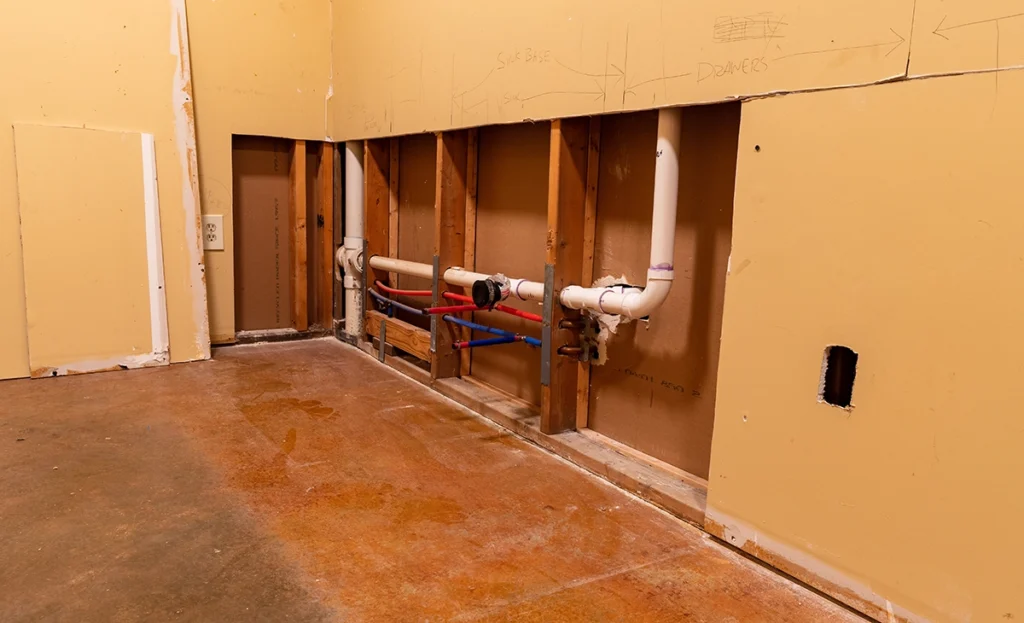
To really understand what PEX plumbing is, it helps to see where it fits within the home. PEX is primarily used for supply piping that carries clean water to fixtures. It connects sinks, showers, toilets, and appliances throughout the house.
If you want a deeper explanation of how supply piping works, review how a home’s main water line and distribution system are designed. That context shows why PEX performs so well compared to older materials.
In practice, plumbers often run PEX through walls, crawl spaces, and attics. Because it expands slightly, it handles pressure changes well. That flexibility also helps reduce pipe noise during water use.
Comparing Flexible Pipe to Older Plumbing Materials
Many homeowners ask how PEX plumbing compares to copper or galvanized steel. The difference often comes down to corrosion resistance and ease of repair.
PEX does not rust. It also resists scale buildup inside the pipe. That’s especially important in areas with hard water. In contrast, older metal piping can corrode over time, reducing flow and water quality.
Additionally, PEX is easier to repair. When leaks occur, plumbers can often replace sections without cutting extensively into walls.
From our experience, that saves homeowners time and repair costs.
Benefits of PEX Plumbing in Residential Homes
There are several reasons homeowners choose PEX plumbing.
First, it’s flexible. This allows for longer continuous runs with fewer joints. Second, it’s freeze-resistant. While no pipe is freeze-proof, PEX expands slightly without cracking (which helps reduce damage during cold weather, as Ready.gov explains). Third, PEX is quieter. Water hammer noise is often reduced because the pipe absorbs movement. Finally, installation costs are usually lower than copper.
What Is PEX Plumbing Used for Most Often?
After understanding how PEX works, it helps to see where homeowners use it most. Because of its flexibility and durability, PEX fits a wide range of residential applications. From full system installs to targeted upgrades, it adapts well to different home layouts and project scopes.
Whole-Home Water Distribution
In most homes, PEX plumbing serves as the primary water supply system. PEX lines connect to manifolds that distribute water evenly to fixtures. This setup improves pressure consistency throughout the house.
Remodels and Retrofits
PEX is also popular during renovations. Because it snakes through tight spaces, it’s ideal for older homes. Many homeowners upgrade supply lines without tearing out walls.
Understanding Types Without Overcomplicating It
While learning about PEX plumbing, homeowners often hear about different versions of the material. These variations differ in flexibility and connection methods.
If you’re curious about how these types compare in real installations, we’ve broken down PEX A vs PEX B in a dedicated comparison. That breakdown helps homeowners make clear, confident decisions without feeling overwhelmed.
What Does PEX Plumbing Cost on Average?
Costs vary depending on home size and layout. However, PEX plumbing often appeals because it’s more affordable than copper. Material costs are lower, and labor time is reduced.
In general, PEX installations cost less upfront. Long-term savings also come from reduced corrosion issues and easier repairs. From our experience, it’s a strong value option for many households.
Why We Often Recommend PEX to Homeowners
At Clog Heroes Plumbing, Sewer & Drain, we don’t push one solution blindly. Instead, we look at the home’s needs. Still, when homeowners ask about PEX plumbing, the answer usually leads to practical benefits.
PEX offers reliability, flexibility, and cost efficiency. When installed correctly, it performs exceptionally well. That combination has made PEX a standard in modern plumbing.
When aging or damaged supply piping needs attention, professional water line replacement updates the system safely and correctly. Choosing the right materials during that process makes a lasting difference.
If you’re considering upgrading supply lines or planning a remodel, contact us. We’re happy to explain options clearly and help you choose the right solution.
Near the end of many conversations, we hear the same thing: relief. For homeowners in and around Fredericksburg, VA, our team is here to help with honest guidance and professional service.
FAQs About PEX Plumbing
Homeowners often have a few follow-up questions once they understand what PEX plumbing is. Here are quick answers we share regularly.
Yes. PEX used in homes must meet national safety standards for potable water.
Absolutely. PEX works well for retrofits because it fits through tight spaces.
In many cases, yes. Properly installed PEX can last several decades. Is PEX plumbing safe for drinking water?
Can PEX be used in older homes?
Does PEX plumbing last as long as copper?