When homeowners ask about the differences between pex a vs pex b, I hear the same concerns again and again—durability, flexibility, cost, and long-term reliability. At Clog Heroes Plumbing, Sewer & Drain, we’ve worked with PEX across many residential plumbing systems, so we’ve seen firsthand how each material performs in real homes. Because choosing the right PEX matters for both comfort and efficiency, I want to break everything down simply and honestly. Although both types work well, they behave differently, and those differences can make a big impact over time.
What Makes PEX Such a Popular Plumbing Material?
PEX has become a leading plumbing material because it handles pressure changes, temperature swings, and installation challenges with ease. It’s flexible, resistant to freezing damage, and easier to route through tight spaces. Although both PEX A and PEX B deliver solid performance, they behave differently in certain conditions.
PEX A expands more during cold weather, while PEX B delivers higher rigidity and cost savings. According to the American Society of Home Inspectors (ASHI), modern cross-linked polyethylene is engineered for durability, tested extensively for temperature and chlorine resistance, and has become one of the most widely used and reliable flexible plumbing materials in residential systems.
Many homeowners also ask how PEX compares to other common materials, especially PVC, since both are frequently used in residential plumbing. While PVC is rigid and typically used for drain and vent lines, PEX is flexible and designed for pressurized water supply systems. Understanding how PVC functions helps homeowners see why PEX has become the preferred option for modern water distribution.
Understanding PEX A vs PEX B in Everyday Use
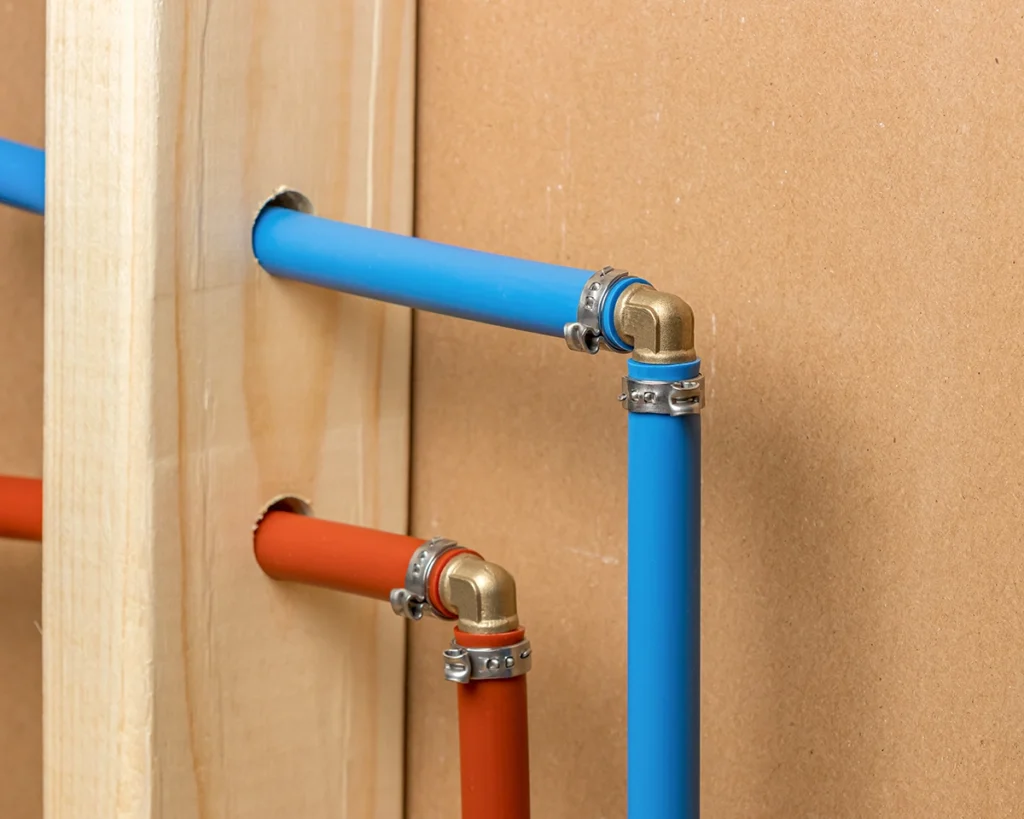
Most conversations about PEX A vs PEX B come down to flexibility and expansion. PEX A bends smoothly around corners, which can reduce the need for fittings during installation. Fewer fittings mean fewer potential leak points, especially in homes with complex layouts.
PEX B is stiffer but still very strong. It doesn’t expand as much in freezing conditions but performs reliably in most climates and tends to be the more budget-friendly option.
Because PEX is widely used for residential water lines, the choice between PEX A and PEX B can affect how easily pipes route through your home, how they handle cold temperatures, and how straightforward future repairs or upgrades will be.
Pros and Cons of PEX A vs PEX B
Before making a decision, homeowners usually want a quick snapshot of benefits. Here’s what we see in the field:
Advantages of PEX A:
-
Exceptional flexibility
-
Lower risk of cracking during freeze events
-
Ideal for remodeling older homes
Limitations of PEX A:
-
More expensive
-
Can be easier to kink
Advantages of PEX B:
-
Highly durable
-
More budget-friendly
-
Less prone to kinks
Limitations of PEX B:
-
Less flexibility
-
Slightly more fittings required
Why Flexibility Matters for DIY and Professional Repairs
Flexibility makes installation easier, and it also makes repairs simpler. In cold climates, a flexible material like PEX A can expand when temperatures drop, reducing the likelihood of a burst pipe. For homeowners transitioning from older metal systems, understanding how modern materials compare can help clarify why many homes are shifting away from rigid pipes.
Cold-weather performance goes beyond freeze expansion, too. Preparing plumbing for freezing temperatures — including the use of heat tape on water pipes — helps protect vulnerable sections of the system and reduces the risk of freeze damage. For homeowners looking for broader cold-weather guidance, the American Red Cross offers clear, step-by-step tips on preventing frozen pipes and safely thawing them if they begin to freeze.
Choosing Between PEX A vs PEX B for Long-Term Performance
Both types of PEX work well, but your home’s needs ultimately decide which option fits best. PEX A is often preferred in colder regions or homes with many tight bends. PEX B offers excellent durability at a lower price point and works well in straightforward layouts.
At Clog Heroes Plumbing, Sewer & Drain, we consider factors like water pressure, layout, existing fittings, and future renovation plans before recommending one material over the other. A thoughtful material choice helps ensure long-term performance and fewer issues down the road.
Final Thoughts: Which Type Truly Fits Your Home?
Now that you know the core differences between PEX A vs PEX B, choosing the right one becomes much easier. Both options are reliable, safe, and well-tested for residential plumbing. The deciding factors typically come down to climate, flexibility needs, and budget.
If you’re planning a plumbing upgrade or want professional guidance on choosing the right PEX for your home, Clog Heroes Plumbing, Sewer & Drain is here to help families throughout Fredericksburg and the surrounding areas make confident decisions.
Contact Us
At Clog Heroes, we offer expert water line replacement services built to last. Have questions or need to schedule an appointment? Contact us today — our team is always ready to help keep your home’s plumbing system reliable year-round.
Here’s a quick FAQ section to clear up common concerns about PEX choices.
Both types offer long lifespans, though PEX B’s rigidity often helps it maintain shape over time.
PEX A tolerates expansion better, which can provide added protection during winter temperature drops.
Yes. Both types work well in older properties, and PEX A’s flexibility helps in tight or irregular spaces.
Yes. PEX A and PEX B are widely approved for residential water lines and perform reliably in most home plumbing systems. What lasts longer, PEX A or PEX B?
Is PEX A safer for freezing climates?
Can PEX be used in older homes?
Is PEX safe for everyday residential plumbing?