If you’ve ever wondered how to stop your plumbing from freezing in the dead of winter, you’re not alone. One of the most effective solutions we recommend is using heat tape on water pipes. At Clog Heroes Plumbing, Sewer & Drain, we’ve seen what happens when pipes freeze and burst—it’s not pretty, and it’s rarely cheap to fix. But with the right type of heat tape, you can protect your plumbing system, save yourself a huge headache, and keep water flowing even in extreme cold.
What Is Heat Tape on Water Pipes?
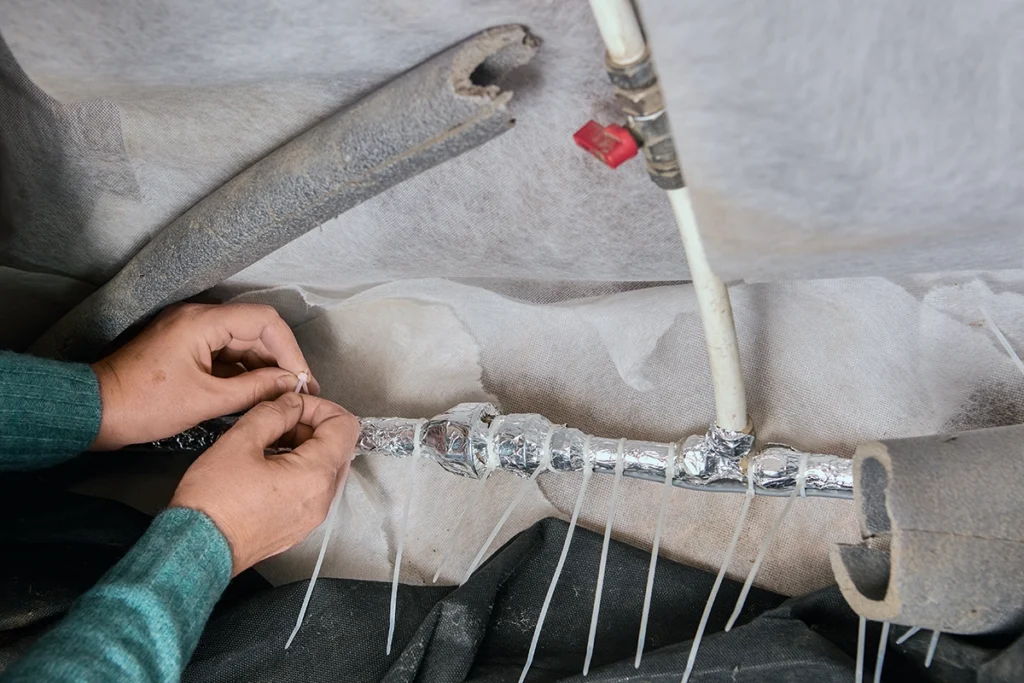
In simple terms, heat tape on water pipes is an electric cable designed to wrap around or run along plumbing lines to prevent them from freezing. When it’s plugged in, it gently warms the pipe surface, keeping water from turning to ice.
There are two main types of heat tape:
-
Manual heat tape, which you turn on and off as needed.
-
Self-regulating heat tape, which automatically adjusts its heat output based on the surrounding temperature.
Both options work well, but self-regulating tape is usually safer and more energy-efficient. (And trust me, it’s worth the upgrade if you live in a place that sees hard freezes every winter.)
Why Use Heat Tape on Water Pipes?
When water freezes inside a pipe, it expands. That pressure can cause the pipe to burst—sometimes with enough force to flood an entire basement or crawlspace. Installing heat tape on water pipes helps you prevent that by keeping the temperature inside your plumbing above freezing.
If you’re not sure whether your pipes are already freezing, see our post on How to Tell If Pipes Are Frozen: Key Indicators for helpful signs to watch. Knowing the early warning signs helps you act before damage occurs.
According to the American Red Cross, adding insulation and heat tape to exposed water lines is one of the most effective ways to prevent pipes from freezing and bursting during cold weather. Their guidance matches what we tell homeowners every winter—prevention is always cheaper than repair.
And here’s something we often tell homeowners: heat tape isn’t just for northern climates. Even in milder regions, a single cold snap can do serious damage. You might not need it on every line, but exposed pipes under sinks, in crawl spaces, and along exterior walls are prime candidates.
Where to Install Heat Tape on Water Pipes
Knowing where to install heat tape is just as important as knowing how. As plumbers, we see plenty of DIY installs that miss key spots, leaving pipes unprotected.
Here’s where you’ll get the most benefit:
-
Outdoor spigots (especially if they’re not frost-free)
-
Crawl spaces or basements with poor insulation
-
Pipes in exterior walls or unheated garages
-
Water lines for mobile homes or RVs
Make sure the tape is applied directly to the pipe’s surface and then covered with proper pipe insulation. That combination—heat tape plus insulation—gives the best protection and efficiency.
(And no, you don’t need to wrap it like a mummy. Even spacing is key—tight coils can actually cause overheating.)
How to Safely Use Heat Tape on Water Pipes
Safety is a big part of this conversation. When installing heat tape on water pipes, always read the manufacturer’s instructions. Not all products are rated for every type of pipe or outdoor exposure.
A few technician-approved safety tips:
-
Avoid overlapping the tape. That’s a common cause of short circuits.
-
Use a GFCI outlet. It protects against electric shock.
-
Inspect it yearly. Look for cracks, frays, or damaged insulation before winter hits.
For more seasonal maintenance advice, check out the Consumer Product Safety Commission’s winter heating tips.
How Long Does Heat Tape Last?
Most quality heat tape products last between 3 and 5 years, though some self-regulating versions can go longer. Like any electrical component, lifespan depends on installation quality, exposure, and maintenance.
We’ve seen customers get close to a decade out of a good setup simply by inspecting and replacing worn sections before winter. (A quick five-minute check can save you thousands in repairs—that’s not an exaggeration.)
If you’re not sure whether your tape is still doing its job, give us a call. At Clog Heroes Plumbing, Sewer & Drain, we can inspect it, test the current flow, and make sure it’s ready for the season.
Common Mistakes Homeowners Make with Heat Tape
Even the best products can fail if they’re not used correctly. Some of the biggest mistakes we see include:
-
Using indoor-rated tape outdoors
-
Wrapping tape over insulation instead of under it
-
Leaving loose ends exposed
-
Plugging tape into non-GFCI outlets
If you’re unsure, don’t take chances. A professional installation ensures proper contact, safety, and efficiency.
When winter’s over, don’t forget your drains deserve attention too. Seasonal maintenance helps everything flow smoothly—learn more about our drain cleaning services for year-round plumbing protection.
What Makes Heat Tape on Water Pipes Worth It?
Here’s the bottom line: installing heat tape on water pipes is a simple, low-cost way to prevent expensive water damage. It gives you peace of mind during cold weather and keeps your plumbing system in top shape all year.
At Clog Heroes Plumbing, Sewer & Drain, we’ve helped countless homeowners protect their homes with the right products and smart installation. Whether you’re preparing for your first winter in a new home or upgrading older plumbing, our team can help you choose and install the right solution for your setup.
Installing heat tape is just one part of keeping your plumbing protected. For larger issues like leaks or line replacements, check out our full plumbing services to see how we can help keep your system in top shape.
Final Thoughts: Why You Should Use Heat Tape on Water Pipes
So, why use heat tape on water pipes? Because prevention beats repair every time. A little preparation now can save you thousands later—and a lot of stress when temperatures drop.
At Clog Heroes Plumbing, Sewer & Drain, we help homeowners keep their plumbing safe, efficient, and ready for any season. Contact us today to schedule service, request an inspection, or ask about other cold-weather plumbing solutions. We proudly serve Fredericksburg and surrounding areas, keeping water flowing when it matters most.
FAQs
Leave it plugged in during freezing conditions, especially overnight. Self-regulating heat tape can stay plugged in all winter safely.
Yes, but only if you’re comfortable working with electrical components and follow the manufacturer’s instructions closely. If not, our licensed plumbers can handle it for you.
Not much—most systems use about the same energy as a light bulb. It’s a small price to pay for preventing frozen or burst pipes. How Long Should I Leave Heat Tape on My Water Pipes?
Can I Install Heat Tape Myself?
Does Heat Tape Use a Lot of Electricity?