Most homeowners don’t think about their PRV until something in the house suddenly changes—maybe the water pressure feels unusually strong, or a faucet starts vibrating when it never did before. Since we work on plumbing systems every day at Clog Heroes Plumbing, Sewer & Drain, we see just how important a properly working PRV is for protecting pipes, fixtures, and appliances. Because this single valve manages incoming pressure from the city line, even small issues can grow into major repairs if they’re ignored.
What a PRV Actually Does for Your Home
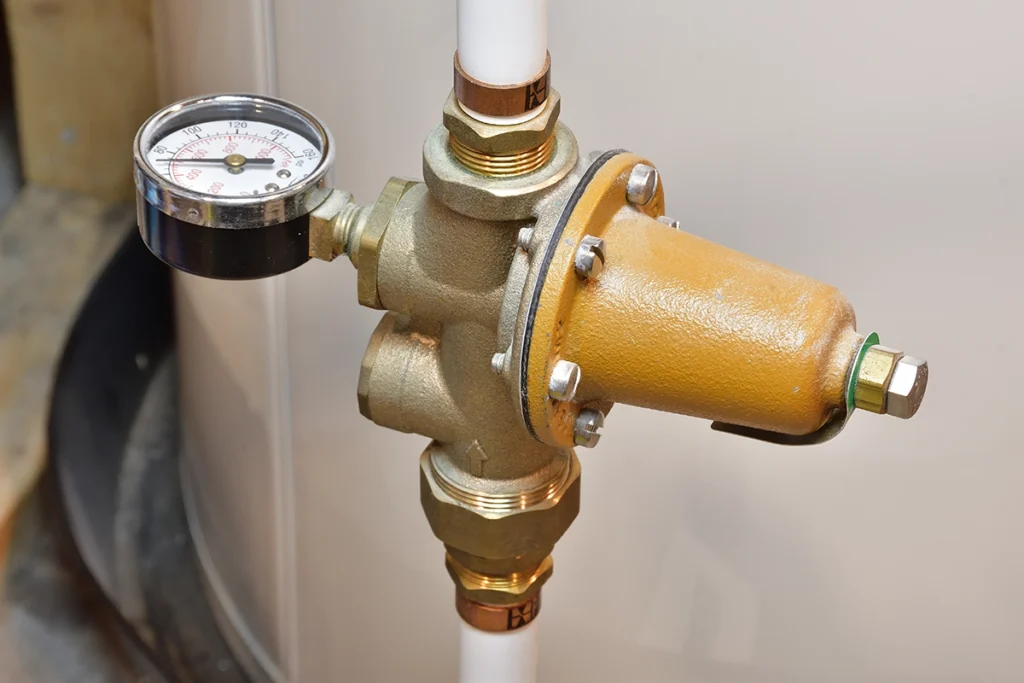
A PRV (pressure reducing valve) keeps incoming pressure at a safe, consistent level. Without it, pressure can rise high enough to damage fixtures or shorten the lifespan of your water heater. Although the valve looks simple, it works nonstop in the background. It responds to fluctuations from the municipal supply and protects your entire plumbing system.
Many homeowners don’t realize how quickly high pressure can wear out plumbing materials. According to the EPA’s WaterSense guidance on home maintenance, most homes should stay within a safe pressure range, and the agency notes that pressure-regulating valves play an essential role in preventing fixture damage and unnecessary water waste.
Since we’ve replaced countless worn-out valves at Clog Heroes Plumbing, Sewer & Drain, we know how quickly symptoms appear when a pressure reducing valve starts to struggle.
PRV Warning Signs You Should Never Ignore
When a PRV begins to fail, the symptoms usually show up in everyday fixtures before homeowners suspect the valve itself.
1. High or Fluctuating Water Pressure
One of the earliest signs of a failing PRV is unexpected pressure spikes. You might notice stronger water flow in one shower but weaker flow elsewhere. Because this issue ties directly into everyday comfort, many homeowners look for ways to improve pressure before discovering the PRV is the real cause. If you’ve noticed inconsistent pressure, our guide on how to improve water pressure in your shower can help you understand other possible contributors too.
2. Vibrating Pipes, Noisy Fixtures, or Water Hammer
When a PRV stops regulating correctly, pipes can rattle or hum. Water hammer—the loud banging sound you hear when water flow stops suddenly—is another common symptom. Although this noise seems minor at first, it often points to declining internal components. Since the valve can’t stabilize pressure, the system absorbs the sudden changes instead. Because these changes happen throughout the day, you might only notice them in quiet moments, like early morning or late evening.
3. Leaking Water Heater Components
Excessive pressure puts extra strain on your water heater. During leak inspections, we often find that a failing PRV is allowing too much pressure into the system. When this happens, the temperature and pressure relief valve may release water as a built-in safety response to protect the tank. If you’re seeing moisture around the tank, our blog on water heater pressure relief valves leaking explains how pressure problems often trigger this safety response.
4. Shorter Lifespan for Appliances and Fixtures
Dishwashers, washing machines, and water heaters are all sensitive to pressure. When the PRV stops reducing incoming force, gaskets and seals wear out far faster than they should. Although homeowners usually notice these issues during repairs, lingering pressure problems continue until the PRV is inspected or replaced.
How We Diagnose PRV Issues at Clog Heroes Plumbing
A PRV failure isn’t always obvious. Because other plumbing problems can mimic pressure symptoms, we run several tests to pinpoint the source. First, we check static and working pressure at key locations. Then, we inspect the valve for wear, corrosion, or mineral buildup. Hard water can accelerate deterioration, which is something we see often.
We also look for system-wide signs. For example, if multiple fixtures show inconsistent performance, the pressure reducing valve is often the main culprit. However, if only one fixture shows symptoms, the issue might be isolated to a local component or a partially clogged line. For broader insight into how municipal pressure fluctuations occur, the EPA’s technical sheet on service water pressure outlines why most plumbing codes require a PRV when pressure exceeds 80 psi.
PRV Fixes Homeowners Should Expect
Most PRV issues fall into a few common repair categories, depending on the valve’s condition and how long the symptoms have been present.
Adjustments, Cleaning, or Full Replacement
Some PRV issues can be solved with a simple adjustment. Although this works for mild fluctuations, more severe symptoms usually mean the valve’s internal components are worn. Wear often appears after several years of constant use. Because mineral buildup can interfere with performance, cleaning sometimes helps, yet replacement remains the most reliable fix.
Protecting Your Plumbing System After PRV Repairs
Once the PRV is repaired or replaced, homeowners often notice immediate changes. Showers feel more balanced, faucets behave predictably, and water heaters run with less strain. Because pressure affects so many parts of your plumbing system, restoring proper function helps protect your long-term comfort. Additionally, seasonal shifts in water usage can affect system performance. The U.S. Department of Energy explains how changes in hot water demand influence energy use and appliance strain.
When to Call Clog Heroes for PRV Troubleshooting
Even though some PRV issues seem small at first, pressure problems rarely stay contained. Since this valve protects your entire plumbing system, early diagnosis prevents damage to pipes, fixtures, and appliances. Whether you’re experiencing loud pipes, uneven water pressure, or water heater issues, Clog Heroes Plumbing, Sewer & Drain is here to help. Because we work with plumbing systems every day, we know how to pinpoint PRV failures quickly and safely.
If you need PRV service or an inspection, contact us today. We proudly serve homeowners in Fredericksburg, VA, and the surrounding communities with dependable plumbing expertise. For more information, you can also explore our pressure reducing valve services, which cover diagnostics, installation, replacement, and long-term protection for your plumbing system.
FAQs About PRV Issues
Before wrapping up, here are quick answers to some common PRV questions.
Most PRVs last 7–12 years, though water quality and pressure levels affect lifespan.
Yes. High pressure strains tanks, valves, and heating components, which may lead to leaks.
Look for pressure spikes, noisy pipes, or water heater relief valve leaks.
Most homeowners shouldn’t. Incorrect adjustments can worsen pressure issues quickly. How often should a PRV be replaced?
Can a failing PRV damage my water heater?
What are the signs I should call a plumber in Fredericksburg, VA?
Can I adjust a PRV myself?