If you’ve got slow drains, gurgling sounds, or that “uh-oh” moment when water starts backing up, a sewer cleanout is often the fastest way to confirm what’s happening. At Clog Heroes Plumbing, Sewer & Drain, we start here a lot because it’s the quickest way to check the main line. Let’s walk through the signs it’s clogged and what to do before it turns into a full backup.
Why a Sewer Cleanout Matters When Drains Back Up
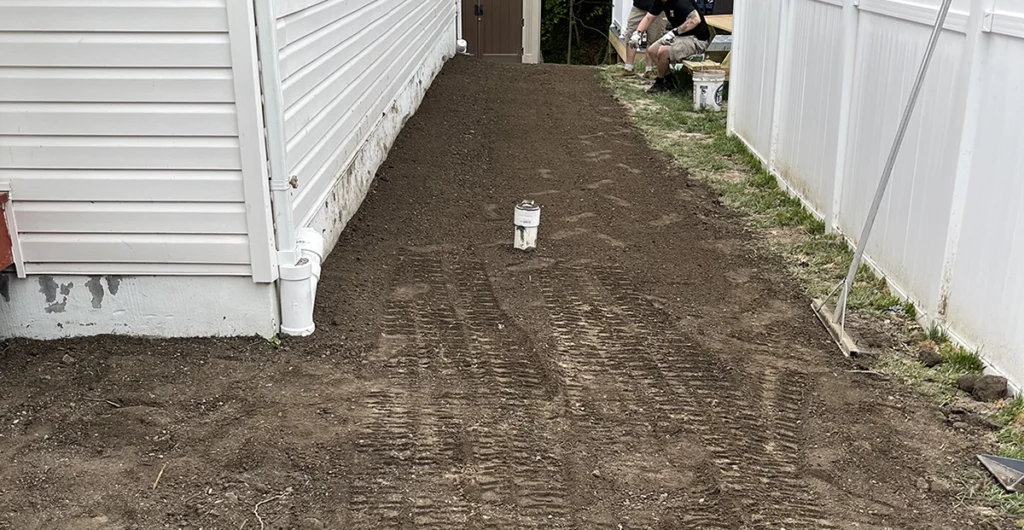
A cleanout is a capped access point on your sewer line—a point designed for direct access to the main line. It’s there so a plumber can inspect and clear the line without pulling a toilet or cutting pipe.
More importantly, a cleanout helps you separate “one fixture problem” from a “main line problem.” If several drains act up at once, the issue is usually deeper.
It’s also common. The U.S. EPA estimates 23,000–75,000 sanitary sewer overflows happen each year in the U.S. (and that number doesn’t even include building backups).
Common Signs Your Sewer Cleanout Is Clogged
A clogged main line doesn’t always start with a dramatic overflow. Most of the time, it builds up in small, annoying clues.
Here’s what we tell customers to watch for:
-
Multiple slow drains in different rooms
-
Toilets that struggle or seem “lazy” when they flush
-
Gurgling sounds from tubs or sinks after you run water
-
Sewer odor indoors or near the yard line
-
Water showing up around a floor drain (especially lower levels)
The Most Common Causes Behind a Main Line Clog
Most main line clogs come from a few repeat offenders:
-
Grease and sludge buildup: It starts thin, then layers over time and grabs debris.
-
“Flushable” wipes and heavy paper: They don’t break down like people think, so they collect and snag debris. (We pull them out constantly.)
-
Tree roots: Roots chase moisture, and tiny pipe gaps invite them in.
-
Sagging or damaged pipe: A belly (a low spot in the line) holds water and waste, which leads to repeat backups.
This is why we don’t rely on guessing. We verify the cause before we recommend a fix.
How We Safely Check a Sewer Cleanout
When we arrive, we treat every cleanout like it could be under pressure. Because sometimes it is. And nobody wants a surprise geyser.
We’ll locate the cleanout, confirm the direction of flow, and open it carefully. Then we check for standing water and signs of blockage.
Safety First: Pressure and Sewer Gas
Opening a cleanout isn’t just messy—it can be unsafe in the wrong conditions.
Sewer gases can be dangerous in high concentrations. So if the smell is strong around a cleanout, it’s safer to leave it closed and call a plumber.
Because of the pressure and gas risks, we don’t recommend opening a cleanout as a DIY project.
Quick Do-Not-Do List
A few things we try to stop people from doing (because we’ve seen the results):
-
Don’t open a cleanout if sewage is actively backing up
-
Don’t pour random chemicals into the line
-
Don’t assume one clog means the pipe is fine everywhere else
-
Don’t keep running water “to see if it clears” (it often makes it worse)
If any of those apply, pause the water use and get a plumber involved before it turns into a bigger mess.
When a Clog Is Bigger Than the Sewer Cleanout
What the Professional Fix Looks Like
Once we confirm the clog type and location, the right fix usually falls into one of these:
Snaking / Cabling
Good for many solid obstructions, especially when the line is otherwise in decent shape. It can open the flow quickly, but it doesn’t always remove heavy buildup stuck to pipe walls.
Hydro Jetting
When buildup coats the pipe walls, the choice between jetting vs snaking matters. Jetting cleans the full diameter of the line, so it’s also great for grease and heavy sludge.
Repair or Replacement
If the camera shows a collapsed section, a low spot, or heavy root intrusion, we’ll talk through repair options. We’ll show you what we see and keep the recommendation practical.
Keeping Your Sewer Cleanout Clear
A sewer cleanout is there for access, but prevention still matters.
A few habits help reduce main line problems:
-
Keep grease out of drains (wipe pans first)
-
Avoid “flushable” wipes
-
Use drain strainers in showers
-
If roots are common where you live, schedule a periodic check
-
Address slow drains early instead of waiting for a full backup
-
Keep the cleanout accessible so it’s easy to reach when needed
These habits won’t prevent every main line clog, but they can lower the chances of repeat backups. Also, if your home has older toilets, upgrades can help reduce strain. The EPA says WaterSense-labeled toilets can save the average family nearly 13,000 gallons per year and $170+ annually.
That’s not a sewer-cleanout “fix,” but it can help reduce chronic flushing issues in older systems.
When to Call Clog Heroes
If drains are backing up, the smell is getting stronger, or multiple fixtures are acting up, don’t wait. We’ll inspect the line, explain what we find, and recommend the right fix without the runaround.
If you’re dealing with an active backup right now, stop running water and call for 24/7 emergency plumbing service.
Need help in Fredericksburg, VA or the surrounding areas? Contact Clog Heroes Plumbing, Sewer & Drain today, and we’ll get your sewer cleanout checked quickly and take it from there.
Sewer Cleanout FAQs
Quick answers to the questions we hear the most.
Multiple slow drains, gurgling, sewage odor, or backups at the lowest drain are common signs.
That usually means a main line blockage downstream, and pressure is forcing waste back out.
Stop running water, keep people and pets away, and call a plumber for safe clearing.
Minor clogs sometimes clear, but you could end up with a sewage spill, gas exposure, and pushing the blockage deeper. How do I know if my sewer cleanout is clogged?
Why is sewage coming out of my sewer cleanout?
What should I do if the cleanout is overflowing?
Can I clear a clog through the cleanout myself?