Tankless Water Heater Pros and Cons: Is It Worth It?
Home /
If you’re researching tankless water heater pros and cons, you’re probably doing what most smart homeowners do before a big upgrade: trying to figure out what’s actually worth the money. At Clog Heroes Plumbing, Sewer & Drain, we install and service water heaters every week, and tankless units are one of the most common “should I switch?” conversations we have. They can be amazing. However, they’re not magic. And like anything plumbing-related, the details matter (a lot).
So let’s walk through the real tankless water heater pros and cons, what homeowners love, what catches people off guard, and how to decide if it’s the right move for your home.
What a Tankless Water Heater Really Is (And What It Isn’t)
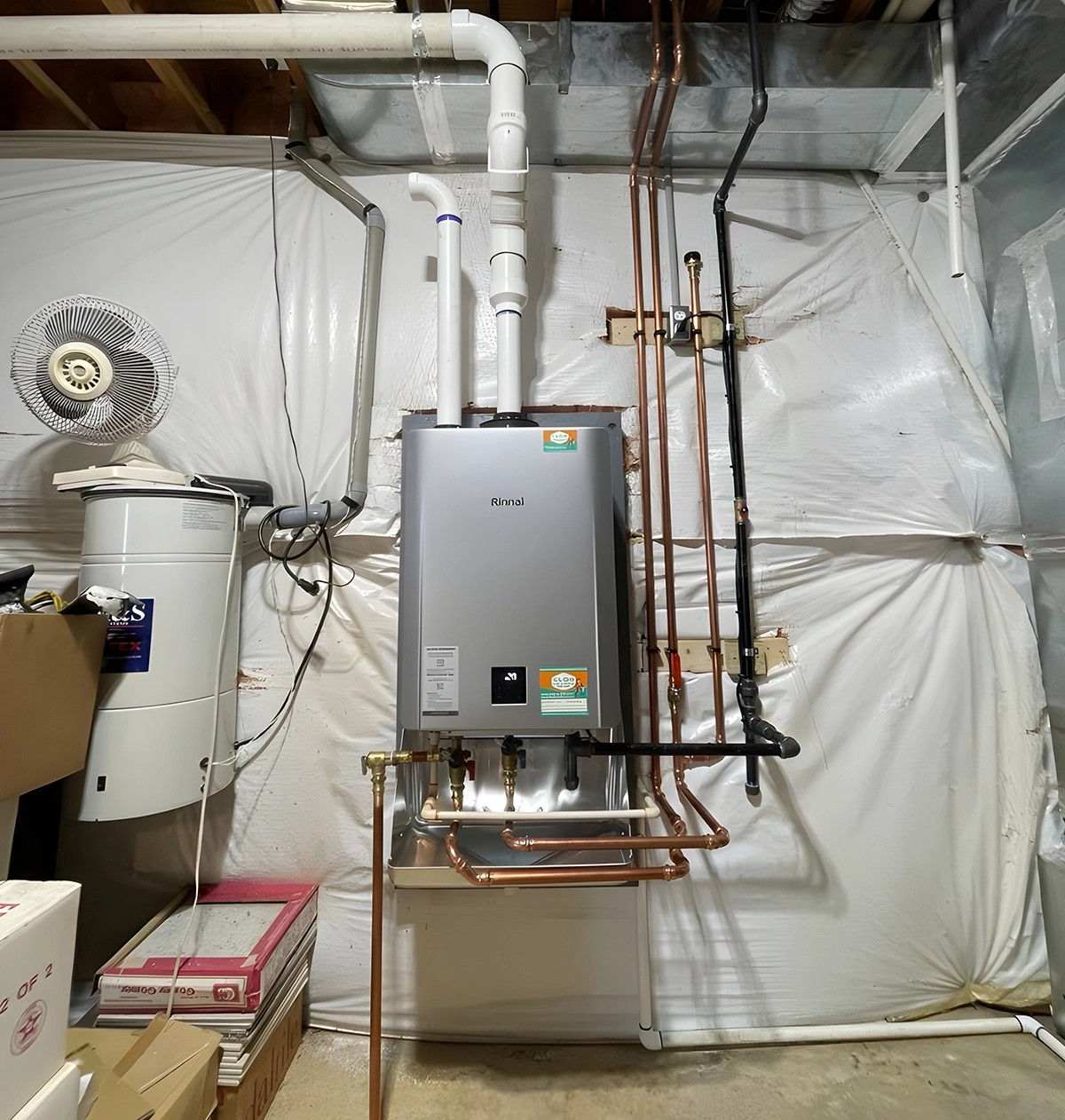
A tankless water heater heats water only when you need it. Instead of storing 40–80 gallons in a tank, it uses a high-powered burner or electric element to warm water as it flows through the unit.
Because of that, you don’t get the classic “running out of hot water” problem caused by a depleted tank. Instead, you get a different challenge: flow limits.
In other words, tankless units don’t store hot water. They create it on demand. That’s efficient, but it changes how the system behaves day-to-day.
Tankless Water Heater Pros
Let’s start with the good stuff. There’s a reason these systems are so popular.
Consistent Hot Water for Long Showers
You don’t “use up” stored hot water like you do with a tank system.
So if you’re a long-shower person—or you have teenagers—this can feel like a luxury upgrade.
Better Energy Efficiency (No Standby Loss)
With a tank heater, hot water sits in the tank all day. That means constant reheating.
With tankless, energy is used mainly during demand. As a result, many households see better efficiency over time.
Less Risk of a “Flood-Style” Tank Failure
A traditional water heater can rupture, leak heavily, or rust out from the bottom.
Tankless units can leak too, but they don’t contain a full tank of stored water. So the damage risk is usually lower.
Space Savings
Tankless units are often mounted on a wall. That can free up space in a closet, basement, or utility room.
And in smaller homes, that space matters more than people realize.
Tankless Water Heater Cons
Even homeowners who love tankless admit one thing: the cost can sting at first.
Higher Equipment and Installation Cost
Tankless units often cost more than standard tank heaters.
Also, installation can be more involved. You may need venting upgrades, electrical changes, or gas line modifications.
So the total investment depends a lot on the home—not just the unit price.
Maintenance Isn’t Optional
Tankless systems require periodic maintenance, especially descaling.
If you have hard water, mineral buildup can reduce heat transfer and efficiency. Over time, it can cause performance issues or shorten the unit’s life.
That’s why we often recommend reading our post about water softener benefits, because it explains why scale and minerals affect plumbing systems long-term.
How Tankless Performance Is REALLY Measured (GPM + Temperature Rise)
This is where most homeowners get surprised.
Tankless systems are limited by flow rate (GPM) and temperature rise. In simple terms, the unit can only heat so much water so fast.
This is where sizing matters most, because tankless performance is limited by flow rate and incoming water temperature. The U.S. Department of Energy explains this clearly in their water heater sizing guidance. They note that a 70°F water temperature rise is typically possible at a flow rate of 5 gallons per minute through gas-fired demand water heaters.
So what does that mean in real life?
If your incoming water is cold and you run multiple fixtures at once, your hot water output can drop. As a result, one shower might feel fine, but two showers plus laundry could struggle.
If your tankless struggles when a shower and dishwasher run together, our guide on how a tankless water heater can pump more GPM covers upgrades and setup changes that can help.
Why Winter Makes the “Cons” More Noticeable
In colder seasons, incoming water temperature drops.
That means the unit needs more energy to raise temperature, and output can decrease. That’s why many complaints happen in winter.
It’s not always “the unit failing.” Sometimes it’s just reality plus heavy demand.
Hot Water Delay Is Still a Thing
This one matters because expectations are high.
Tankless does not automatically mean “instant hot water.”
If your bathroom is far from the heater, the water still has to travel through pipes. So you may still wait at the faucet.
In those cases, a recirculation system may help. However, it depends on layout and usage habits.
Tankless vs Tank: Recovery Time vs Demand Heating
Some homeowners switch to tankless because they’re frustrated with recovery time. That’s valid.
But there’s also a misunderstanding here. Many people assume their old water heater was “too small,” when it was actually just slow to recover.
And if you’re comparing tank vs. tankless, it helps to understand recovery time—our guide on how quickly water heaters heat water breaks down typical timeframes for gas, electric, and tankless systems.
Tankless Water Heater Pros and Cons: Who Should Switch?
Here’s what we see most often at Clog Heroes.
A tankless water heater is usually a great fit if:
You want long showers without hot water running out
You care about energy efficiency and long-term performance
You’re okay with annual maintenance (especially flushing/descaling)
(To be fair, standard tank water heaters also need maintenance—they’re just a little more forgiving when homeowners skip it.)Your household has moderate hot water demand at the same time
On the other hand, tankless may not be the best fit if:
You want the lowest upfront cost
Your household runs several hot water fixtures at once, all the time
You don’t want to deal with maintenance scheduling
At the end of the day, this isn’t about “good vs bad.” It’s about matching the system to how your household actually uses hot water.
A Quick Safety Note
Any water heater decision should include temperature safety.
The CPSC warns that tap water can cause serious burns quickly—150°F can cause third-degree burns in about two seconds—which is why they urge homeowners to lower water heater settings to 120°F when possible.
So whether you choose tank or tankless, temperature settings and safe habits matter—especially in homes with children or older adults.
Final Thoughts: Tankless Water Heater Pros and Cons
At the end of the day, the decision comes down to lifestyle, demand, and installation conditions. That’s why we never give a one-line answer. A tankless system might be perfect for your home. But it only performs its best when it’s sized correctly for your household.
Whether you’re leaning toward tankless or a traditional tank-style unit, we can help you choose the right option for your home and budget. We also offer full water heater services for repairs, maintenance, and replacement. When you’re ready, contact us at Clog Heroes Plumbing, Sewer & Drain. We serve homeowners in Fredericksburg, VA and surrounding areas, and we’re happy to help you make a confident decision.
FAQs About Tankless Water Heater Pros and Cons
Quick answers to common questions we hear from homeowners:
They can run continuously, but output depends on GPM demand and temperature rise. Yes. Tankless units need periodic descaling, plus basic upkeep like cleaning the inlet filter and checking venting/condensate drainage so the unit can operate safely and efficiently (especially in hard-water areas). It can improve buyer appeal, but it depends on your market and system quality. Gas often supports higher flow rates, while electric can work well for smaller loads.Are tankless water heaters really “endless”?
Do tankless water heaters need maintenance?
Can a tankless water heater increase home value?
Is a gas or electric tankless water heater better?