Toilet Tank Parts: Names, Functions, and Fixes
Home /
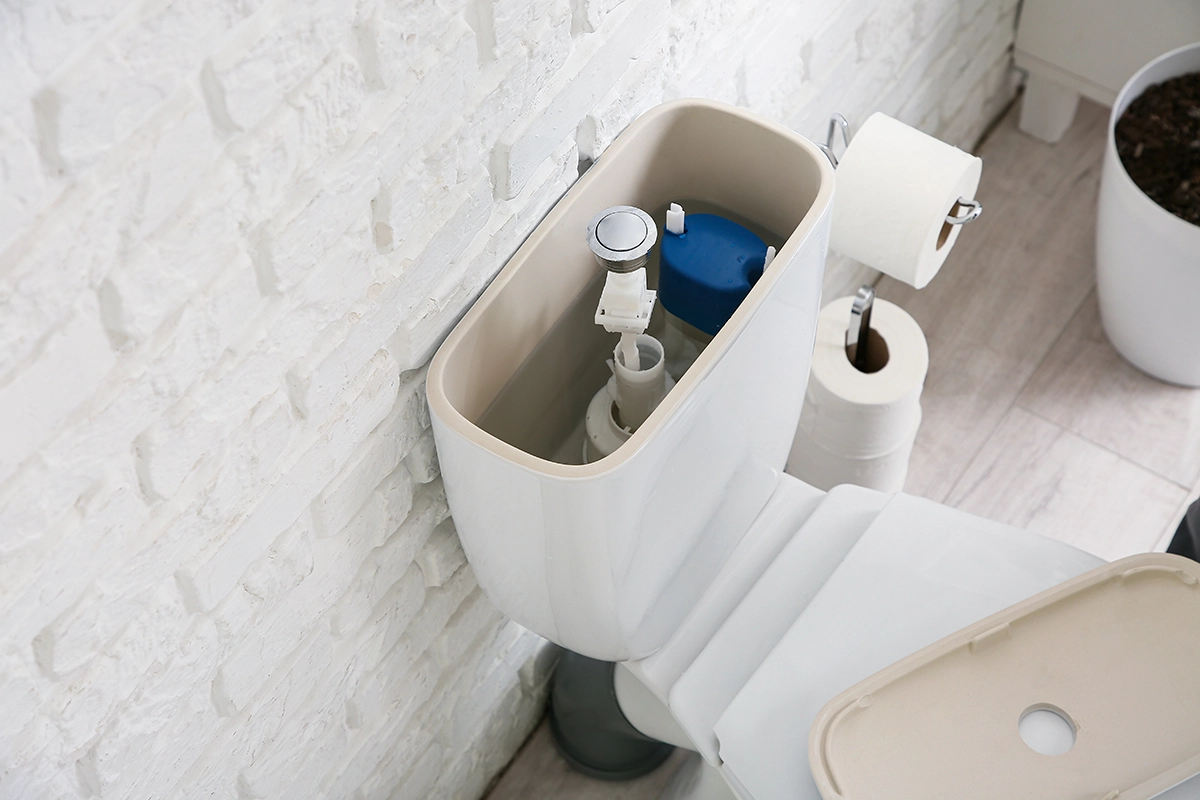
When a toilet acts up, the problem is often inside the tank. If you’re reading about toilet tank parts, you’re likely trying to fix running water, slow refills, or a weak flush without guessing. At Clog Heroes Plumbing, Sewer & Drain, we’ll break down the parts that fail most, what they do, and how to tell what’s actually causing the issue.
Inside the tank, several components have to work together on every flush. When one part sticks, wears out, or loses its seal, the toilet may run, refill too slowly, or flush weakly. Below, we’ll cover the main components of a toilet tank and what each one does.
Why Toilet Tank Parts Matter More Than Most People Think
Most toilet performance issues start in the tank, not the drain line. That’s why a toilet may flush poorly even when there is no clog.
Tank leaks can also waste more water than people realize. The EPA notes that household leaks can waste 180 gallons per week, and toilets are often the source. In many cases, the fix comes down to one small part—an old or worn flapper—since that seal controls how water releases from the tank into the bowl.
Main Toilet Tank Parts and What They Do
These components of a toilet tank control filling, flushing, and shutoff.
Fill Valve
The fill valve refills the tank after a flush. It also helps control the final water level.
If this part fails, the tank may fill slowly, overfill, or not fill at all.
Flapper
The flapper is the rubber seal at the bottom of the tank. It lifts during the flush, then drops back down to hold water in the tank.
When the flapper warps or breaks down, the toilet may run on and off. This is one of the most common failures we see (and one of the easiest to miss).
The EPA notes that many toilet leaks come from a decayed or broken flapper, so this small part can create a surprisingly big headache.
Flush Valve
The flush valve is the opening the flapper seals against. It releases tank water into the bowl during a flush.
If the seat is damaged or the seal is poor, water can leak into the bowl continuously.
More Toilet Tank Parts That Affect Performance
A few other toilet tank components also affect fill level, flush strength, and shutoff.
Float
The float rises with the water level and signals the fill valve to stop. If it is set too high or too low, the toilet may overfill or underfill.
Overflow Tube
The overflow tube prevents the tank from spilling over. It also handles refill water routing to the bowl on many setups.
Trip Lever and Chain
Signs Your Toilet Tank Parts Are Failing
At Clog Heroes Plumbing, Sewer & Drain, these are the most common tank-related calls:
Toilet runs constantly
Tank won’t refill
Weak or incomplete flush
Handle feels loose or stuck
Water keeps cycling on and off
If you’re hearing water run long after flushing, the culprit is often inside the tank. A worn flapper, a loose chain, or a fill valve that won’t shut off can all keep water moving when it should stop. If that sounds familiar, it helps to know what causes a toilet to keep running after you flush before replacing parts at random.
If the flush feels weak, the problem may be water volume inside the tank, not just a clog. A low tank level or a flapper that closes too soon can shorten the flush and leave waste behind. If you’re trying to sort out whether it’s a tank issue or a drainage issue, it helps to look at the common causes of a slow-flushing toilet.
If water is rising in the bowl, don’t assume the tank caused it. In most cases, that points to a blockage in the trap or drain line, not a tank part failure. If it starts overflowing, stop flushing and use these steps to handle a toilet overflowing safely.
When to Adjust or Replace Toilet Tank Parts
In many cases, a quick adjustment fixes the issue. Other times, the worn part needs replacement. Flappers, fill valves, and chains are common wear items.
If more than one toilet tank part is worn, replacing the failing components together can make more sense than swapping parts one at a time. Some toilets also use non-standard components, so matching the correct parts matters.
When to Call a Plumber for Toilet Tank Problems
DIY checks are fine for obvious issues. Still, call a pro if:
The shutoff valve won’t stop water
The tank leaks at bolts or the base
The toilet keeps running after part replacement
You’re not sure which component is failing
There may be both tank and drain problems
Contact Clog Heroes in Fredericksburg, VA
If you’re dealing with worn toilet tank parts, constant running, or refill problems, contact Clog Heroes Plumbing, Sewer & Drain. We serve residential and commercial customers in Fredericksburg, VA and the surrounding areas, and we can diagnose what’s failing and get your toilet working normally again.
FAQs About Toilet Tank Parts
Here are a few common questions we hear from customers:
The flapper, fill valve, chain, and handle assembly fail most often. These parts wear out over time and often cause running water or weak flushing. Usually, a worn flapper, loose chain, or fill valve issue causes it. Water keeps leaking into the bowl, so the tank refills again and again. A bad fill valve, stuck float, closed shutoff valve, or supply issue can stop the refill. Sometimes debris inside the valve slows water flow. Yes. A leaking flapper or fill valve can waste water quietly between flushes, even when the toilet looks normal.What toilet tank parts fail most often?
Why does my toilet keep running after I flush?
Why is my toilet tank not filling?
Can bad toilet tank parts raise my water bill?