Water Leaking From Ceiling? Causes and What to Do Now
Home /
Seeing water leaking from the ceiling in your home is one of those moments that stops you cold. We’ve had plenty of customers call us in a panic after noticing water spots, steady drips, or sudden leaks overhead. And honestly, that reaction makes sense. When water shows up where it doesn’t belong, damage usually isn’t far behind.
In many cases, water dripping from the ceiling means something above has already failed or is about to. Because of that, knowing what causes it — and what to do immediately — can save you thousands in repairs.
What Water Leaking From the Ceiling Usually Means
When we respond to calls involving water leaking from the ceiling, the source is rarely random. Instead, it’s usually tied to a pressurized pipe, an appliance, or a drainage issue hidden above the drywall.
Although the drip may look small, the problem often isn’t. Water travels fast once it escapes. It also follows framing, insulation, and wiring before showing itself.
Data from the Insurance Information Institute shows that water damage and freezing account for roughly one-fifth to one-quarter of homeowners insurance losses, depending on the year.
Common Causes of Water Leaking From the Ceiling
Once you understand what a ceiling leak usually points to, the next step is identifying where it’s coming from. While every home is different, most ceiling leaks come from a few common sources.
Burst or Failing Pipes
Older pipes, frozen lines, and corroded materials are common causes of ceiling leaks. As pressure builds over time, small cracks can form and eventually give way.
When that happens, water dripping from the ceiling is often the first visible sign. By then, the pipe may already be releasing water into hidden wall or ceiling cavities.
Upper-Floor Plumbing Leaks
Bathrooms and laundry rooms often sit above ceilings, which means leaking supply lines, drain connections, or shutoff valves can send water straight down.
Even a slow leak can soak insulation and framing long before you ever notice a problem below.
Water Heater Problems Upstairs
In some homes, water heaters sit on upper levels. When a tank fails or a connection gives way, a water heater leaking from the bottom can quietly release gallons of water into ceilings and walls.
We’ve seen this many times. By the time homeowners notice ceiling damage, the heater has usually already failed.
Drain or Sewer-Related Issues
Although less common, damaged or blocked drain lines can overflow inside walls or ceilings. In some home layouts, that backup forces wastewater into areas above finished spaces.
In those cases, a professional sewer inspection helps identify the true source before repairs begin.
Why Water Dripping From the Ceiling Is a Serious Problem
When water starts coming through the ceiling, the damage often extends far beyond what you can see. What looks like a small drip can quickly turn into structural, health, and moisture issues throughout the home.
Structural Damage Happens Fast
Drywall weakens quickly once it absorbs moisture, and wood framing can begin to swell. Over time, fasteners rust, materials shift, and ceilings may sag or even collapse if the leak continues.
Mold Growth Starts Quickly
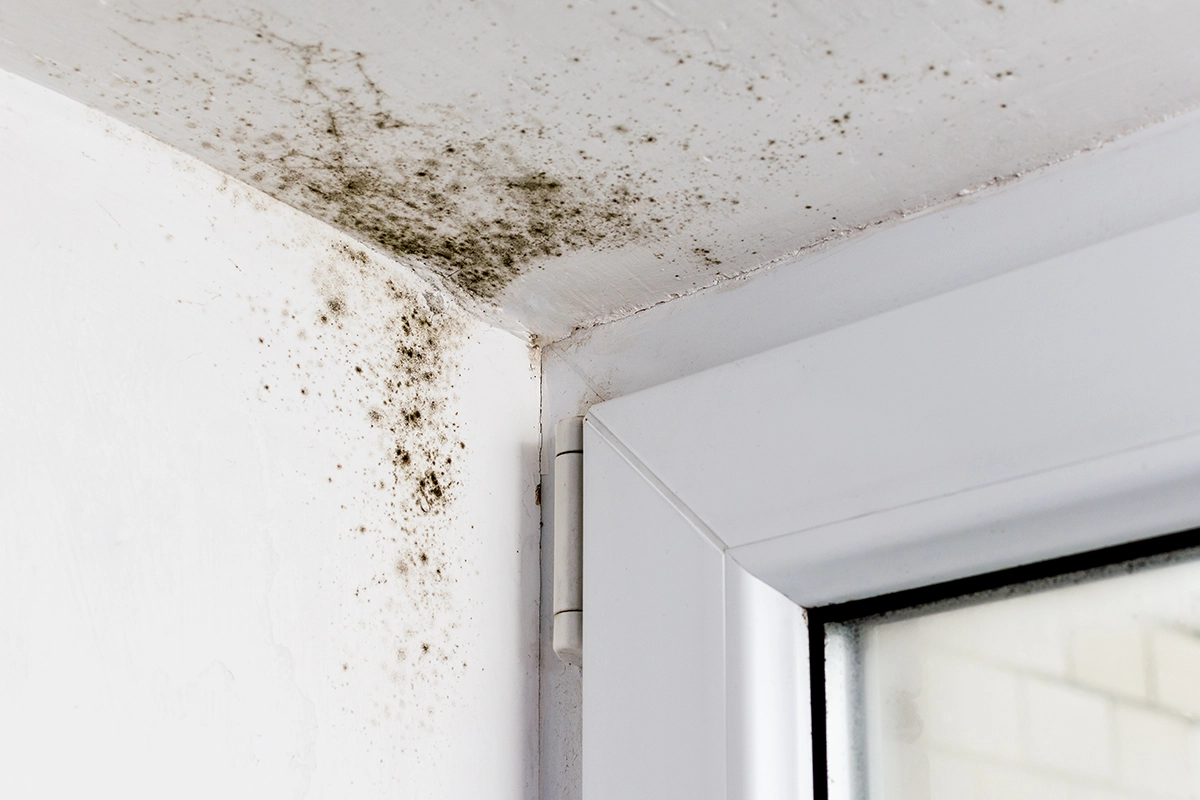
According to the U.S. Environmental Protection Agency, mold can begin growing within 24–48 hours when moisture from a leak isn’t properly dried.
That’s why waiting is risky. Even short delays can increase both health concerns and repair costs.
Water Spreads Beyond the Ceiling
Water rarely stays in one place. Instead, it moves along framing and insulation paths. Left unaddressed, a ceiling leak can create moisture issues throughout the home, including a basement water leak.
What to Do Immediately When You See Water Dripping From Ceiling
When water starts coming through the ceiling, quick action matters. The goal is to limit further damage and keep everyone safe until the source can be identified.
Shut Off Water If Possible
First, stop the source if you can. If you know where the main water shutoff is, use it.
If a water heater is involved, learning how to turn off a water heater can help limit damage quickly.
Protect the Area Below
Move furniture out of the way and place towels or buckets to catch dripping water. While this won’t fix the problem, it helps prevent secondary damage to floors and belongings.
Avoid Electrical Hazards
Never ignore water near lights, outlets, or ceiling fixtures. If water is close to wiring, keep your distance and call for professional help.
When to Call a Professional Plumber
Some situations go beyond simple steps you can take on your own. When that happens, it’s important to bring in a professional before the damage spreads.
If the water dripping from your ceiling continues after shutoffs, it’s time to call for help.
This is especially true when:
The source isn’t visible
The ceiling is bulging or cracking
Water pressure drops suddenly
Multiple fixtures are affected
At that point, calling emergency plumbing services prevents far more expensive repairs later.
At Clog Heroes Plumbing, Sewer & Drain, we don’t guess. We locate the source, stop the leak, and explain your options clearly.
How We Approach These Repairs at Clog Heroes
Ceiling leaks aren’t always straightforward, and the visible damage doesn’t always tell the full story. That’s why we focus on fixing the problem in a way that prevents repeat leaks.
When we respond to ceiling leaks, we follow a consistent process:
Determine whether the leak is supply- or drain-related
Isolate the damaged section to stop further water release
Protect surrounding areas from additional moisture spread
Recommend permanent repairs rather than temporary patches
Because we handle plumbing, sewer, and drain issues every day, we’re used to tracking leaks that aren’t obvious at first glance.
Preventing Future Ceiling Leaks
Although some plumbing failures are unavoidable, many ceiling leaks can be prevented by identifying problems early. Catching small issues before they worsen often reduces the risk of sudden water damage.
Routine plumbing inspections help identify early corrosion or wear before leaks develop. From there, steps like insulating exposed pipes can reduce freezing risks, while replacing aging components helps prevent sudden failures.
The U.S. Department of Energy notes that insulating exposed pipes can reduce heat loss and lower the risk of freezing, especially in colder areas of the home.
Final Thoughts on Water Leaking From the Ceiling
If you’re seeing water drip from your ceiling, don’t brush it off and hope it stops. In our experience, ceiling leaks rarely fix themselves. Once water gets into walls and insulation, the damage usually spreads.
At Clog Heroes Plumbing, Sewer & Drain, we help homeowners stop ceiling leaks quickly and protect their homes from further damage. If you’re dealing with an active leak or suspect hidden moisture in Fredericksburg, VA or one of the surrounding areas, contact us today and let our team take a look before the problem spreads.
FAQs About Ceiling Water Leaks
Below are a few common questions we hear from homeowners dealing with ceiling leaks.
Yes. Active ceiling leaks can cause structural damage and mold growth within hours. No. Ceiling leaks rarely fix themselves and usually continue to worsen unless the source is repaired. Yes. Turning off the water often limits damage while waiting for a plumber. Yes. Mold can begin growing within 24–48 hours after water exposure.Is water leaking from the ceiling an emergency?
Can a small ceiling leak fix itself?
Should I turn off my water immediately?
Can water dripping from the ceiling cause mold?