Homeowners ask us all the time: what is a water line, and why does it matter so much for everyday life? Because we work on supply lines so often here at Clog Heroes Plumbing, Sewer & Drain, we see how this single part of a plumbing system affects everything from water pressure to appliance performance. When a water line works well, you barely think about it. When it doesn’t, though, you notice right away. And because most people only see the symptoms—not the source—we like to break things down in clear, simple terms.
What Is a Water Line? Understanding the Basics
At its core, a water line delivers clean, pressurized water into your home. It connects your property to the municipal supply or, in homes with private wells, to the well system through a dedicated pump and pressure tank. Although it sounds simple, its role is huge. It supports sinks, showers, toilets, dishwashers, washing machines, and even your outdoor spigots. Every drop you use starts at the main line.
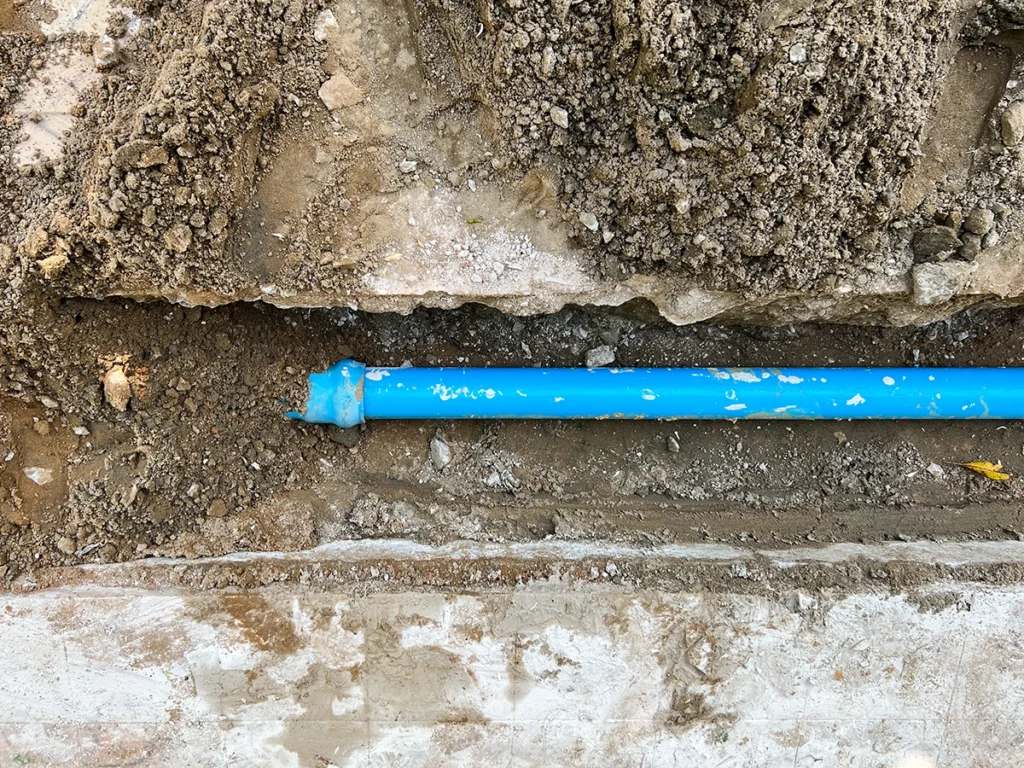
The pipe material matters, though. Many homes rely on copper, PVC, PEX, or HDPE for underground service lines. PVC is affordable. PEX is flexible and handles temperature swings well. Copper lasts for decades but can corrode in certain conditions. HDPE is durable, lightweight, and often used for underground lines because it resists shifting soil. Because materials behave differently, line performance changes from home to home.
How a Water Line Works Inside Your Home
A water line carries water under steady pressure, and that pressure is what allows water to move through every pipe and fixture in your home. When the line is working properly, you get strong flow at sinks, showers, and appliances. But if the line develops a leak, becomes clogged, or loses pressure at the source, the entire system feels it. That’s why weak pressure so often points to a failing line, a damaged connection, or a pressure-reducing valve that needs attention.
Your home’s supply starts long before it reaches your property. Public distribution systems draw from lakes, rivers, reservoirs, and groundwater sources before treating that water and sending it through municipal mains. The U.S. Geological Survey offers a clear breakdown of how public water systems supply homes nationwide and why demand and infrastructure conditions matter.
Once the water reaches your property, it enters through the main service line and passes a shut-off valve. That valve sits directly on the water line, which is why every major plumbing repair starts there. When something goes wrong, shutting the main valve keeps your home safe from water damage. We walk homeowners through this step often because knowing where it is saves time and prevents emergencies from getting worse.
What Is a Water Line Doing When Pressure Drops?
Pressure drops usually appear first at showers and faucets. Even though every fixture feels different, the cause is often the same: the main water line isn’t delivering steady flow. Mineral buildup, aging pipe materials, small leaks, or PRV problems can all disrupt pressure and make the issue more noticeable in certain parts of the home.
If you’d like a few quick ways to troubleshoot low pressure, our blog on how to improve water pressure in your shower walks through simple steps you can try first.
Common Issues That Affect How a Water Line Performs
Water lines run underground, so most problems happen out of sight. Still, you’ll see signs inside your home. These issues are common:
-
Sudden pressure drops
-
Discolored water
-
Higher water bills
-
Water pooling in the yard
-
Noisy plumbing during peak use
Even small leaks can waste gallons. The U.S. Department of Energy notes that minor leaks contribute heavily to household water waste.
We also see many homeowners dealing with pressure irregularities caused by failing pressure-reducing valves. If pressure spikes or drops often, our post on PRV problems breaks down what signs to watch for and when to call for help.
Seasonal Stress on Water Lines
Although water lines stay buried, they still feel seasonal shifts. Cold snaps can freeze shallow lines. Sudden heat waves strain older materials, too. Because of this, routine checkups matter more than most homeowners realize. Even a quick inspection can catch early corrosion, loose fittings, or weak joints. At Clog Heroes Plumbing, Sewer & Drain, we explain maintenance in simple terms so you can make confident decisions about your system.
When to Call a Professional for Water Line Help
If you notice repeated pressure drops, discolored water, or signs of a leak, our water line repair services can help restore safe, consistent flow. Even though DIY fixes work for minor issues, main line repairs require licensing, tools, and excavation experience. We always tell homeowners that tackling these repairs alone can lead to damage or safety risks.
Why It Helps to Understand What a Water Line Is
Understanding what a water line is helps you catch problems early and protect your plumbing system. Little issues grow fast when the main line struggles, so staying ahead of symptoms makes all the difference. Clog Heroes Plumbing, Sewer & Drain is always ready to help diagnose issues, explain your options, and keep your home’s water flowing smoothly. Contact us anytime for expert service in Fredericksburg, VA and the surrounding areas.
FAQs About Water Lines
Here are a few common questions homeowners ask us.
Depth varies by region, especially in colder areas like the Northeast, but most are below the frost line.
Aging pipe materials, soil shifts, corrosion, and high pressure are the most common factors.
They can during severe cold snaps, though proper depth and insulation reduce that risk.
Recurring pressure drops, discoloration, leaks, or repeated repairs often signal it's time to replace the line. How deep is a typical water line buried?
What causes water lines to fail?
Do water lines freeze in Fredericksburg, VA?
How do I know if I need a water line replacement?