Knowing when to drip faucets can make the difference between a calm winter night and waking up to burst pipes. In our day-to-day work at Clog Heroes Plumbing, Sewer & Drain, we see the damage frozen pipes cause every cold season. Fortunately, a small, intentional drip can help protect your plumbing when temperatures drop. Because this topic comes up so often, it’s worth breaking it down clearly and practically.
Why Knowing When to Drip Faucets Actually Matters
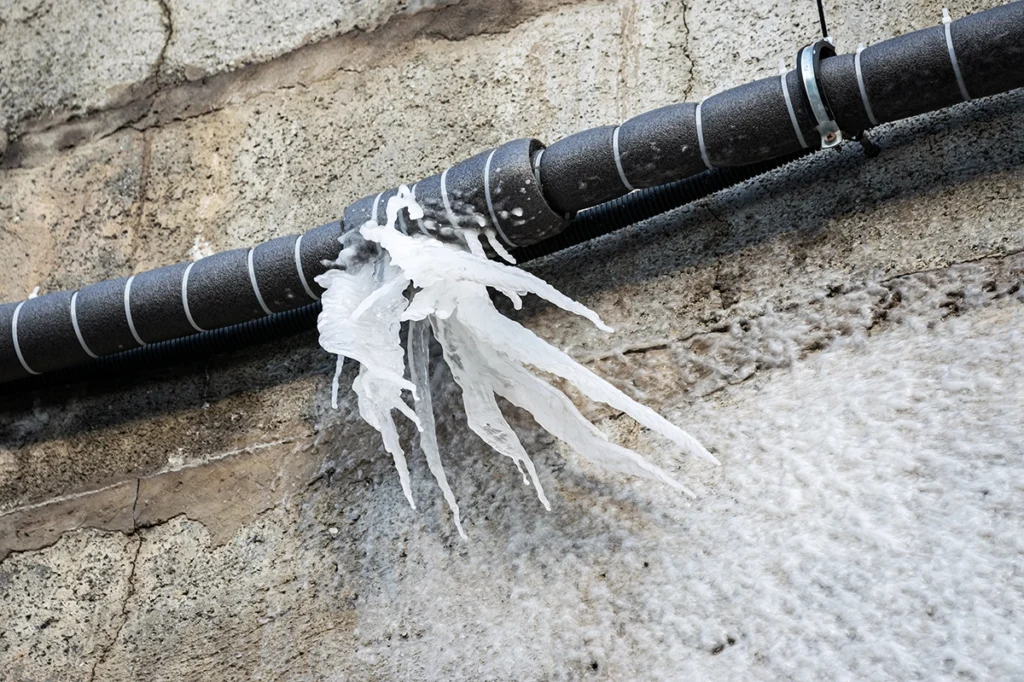
Frozen pipes don’t usually fail quietly. Instead, pressure builds inside the line as water freezes and expands. Then, once temperatures rise, pipes crack or burst. That’s when flooding starts.
Dripping faucets helps relieve that pressure. Even a slow, steady drip keeps water moving. Movement makes freezing less likely.
However, dripping at the wrong time wastes water without adding protection. That’s why understanding when to drip faucets matters more than many homeowners realize. This is also why the National Weather Service includes preventing frozen pipes as part of its guidance for preparing for extreme cold weather.
When to Drip Faucets Based on Temperature
As a general rule, dripping faucets becomes important when outdoor temperatures drop below 20°F for several hours. That’s when unprotected pipes are most at risk.
A recent Energy Saver article from the U.S. Department of Energy explains that frozen pipes become a serious risk when indoor temperatures drop too low, especially in homes with plumbing near exterior walls.
However, temperature alone isn’t the whole story. Wind chill, pipe location, and insulation also play a role. Pipes running through exterior walls, crawl spaces, or garages freeze faster.
Because of that, we often recommend dripping sooner if your home has a history of freezing issues.
Which Faucets Should You Drip?
Not every faucet needs attention. Instead, focus on fixtures connected to vulnerable plumbing.
You should drip:
-
Faucets on exterior walls
-
Fixtures above unheated spaces
-
Lines that previously froze
Meanwhile, interior pipes surrounded by warm air usually don’t need dripping.
If you’re unsure which pipes are more vulnerable to freezing, it helps to understand the basics of how water moves through a home. We often explain this by walking homeowners through how a water line works.
When to Drip Faucets vs. Other Freeze Protection Options
Dripping faucets is helpful, but it isn’t always enough by itself.
When Dripping Alone May Not Be Enough
If temperatures stay extremely low for days, dripping alone often won’t cut it. Insulation helps during short freezes, but when the cold lingers, using heat tape on water pipes offers extra protection.
Used together, dripping faucets and insulation create a stronger defense.
How Fast Should a Faucet Drip?
This is where many homeowners overdo it.
You don’t need a stream. A slow, steady drip is enough. Think one drop every second or two.
Hot or cold? Cold water is usually sufficient. However, in extremely cold conditions, dripping both hot and cold lines can help, especially on sinks with separate supplies.
Common Mistakes We See With Dripping Faucets
From our experience at Clog Heroes Plumbing, Sewer & Drain, these mistakes come up every winter:
-
Waiting until pipes are already frozen
-
Dripping the wrong faucet
-
Forgetting garage or basement sinks
-
Turning water off completely instead of relieving pressure
Each of these increases the risk of hidden damage.
What Happens If Pipes Freeze Anyway?
Even with precautions, freezing can still happen. Pipes often freeze silently. Then, once they thaw, leaks appear.
If you notice:
-
No water flow
-
Frost on exposed pipes
-
Strange smells after thawing
It’s time to act. Shutting off the main water supply quickly limits damage. After that, professional inspection helps catch cracks before they worsen.
When to Drip Faucets and When to Call a Plumber
Dripping faucets is a preventive step, not a permanent solution. If freezing happens repeatedly, there’s usually an underlying issue.
That could include:
-
Poor insulation
-
Aging materials
-
Improper pipe routing
At that point, a professional evaluation saves money long-term. That’s why our team focuses on prevention, not just repairs.
If pipes freeze repeatedly or you suspect hidden damage, our emergency plumbing services are designed to step in quickly before small winter issues turn into major water damage.
If you need help protecting your plumbing or dealing with winter damage, contact Clog Heroes Plumbing, Sewer & Drain for straightforward guidance and reliable service.
We proudly serve Fredericksburg, VA, and surrounding areas when winter plumbing problems strike.
Knowing when to drip faucets gives you a simple way to reduce risk, protect your home, and avoid emergency repairs during cold weather.
Frequently Asked Questions About Dripping Faucets
Here are a few quick answers to common winter plumbing questions we hear often.
Sometimes. Insulation helps, but exposed lines can still freeze in extreme cold.
Usually, yes. Overnight temperatures are often the coldest.
Keep them dripping until temperatures stay safely above freezing.
Yes. Leave vulnerable faucets dripping and open cabinet doors to allow warm air to circulate. Do I need to drip faucets if my home is well insulated?
Should I drip faucets overnight only?
How long should faucets drip during a freeze?
Should I drip faucets if I leave my house during cold weather?