Plumbing Guides From Clog Heroes
Page 2 of 9
Straight answers on the drain, sewer, water heater, well and toilet problems we see in Fredericksburg-area homes.
All Guides, Page 2
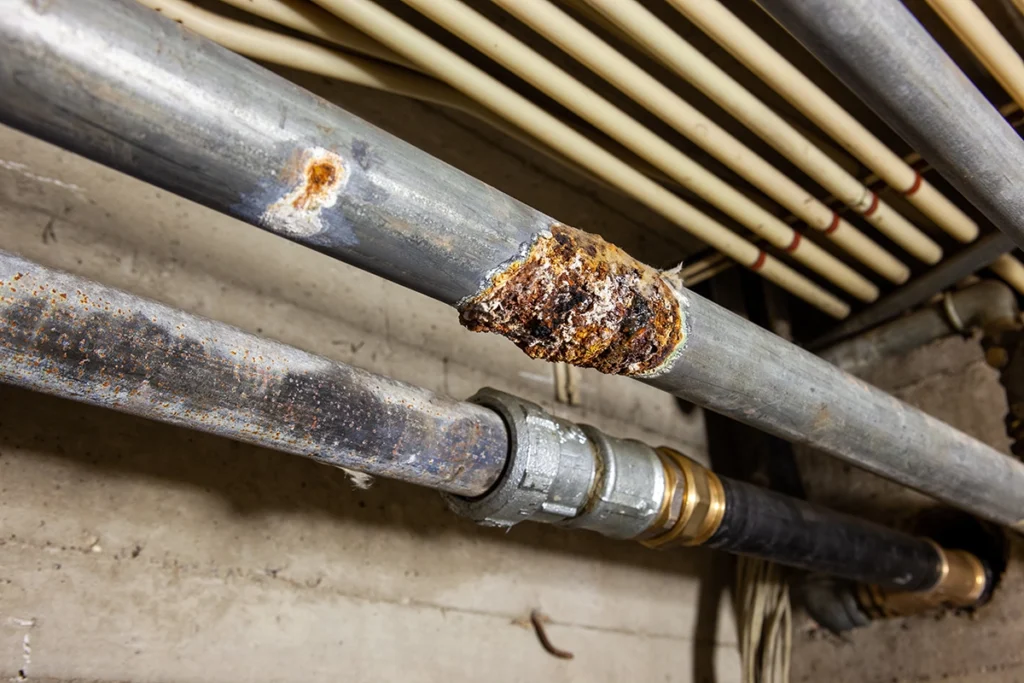
Stop-and-Waste Valves: Shutoff and Drainage Explained
A stop-and-waste valve combines water isolation with a drain feature. Learn its purpose, winterization limits and signs it needs attention.

Toilet Overflowing: Stop the Water and Choose the Next Step
Repeated flushing can add water to a blocked bowl. Stop the incoming water if safely accessible and avoid sewage contact.
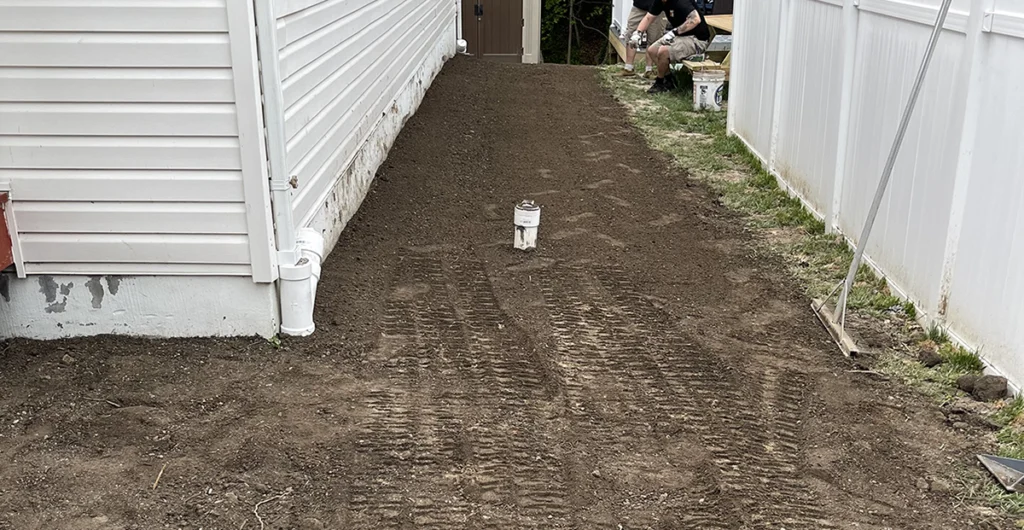
Sewer Camera Inspection in King George, VA
Know which line needs inspection, how the camera can enter and what the findings can tell you before choosing the next step.
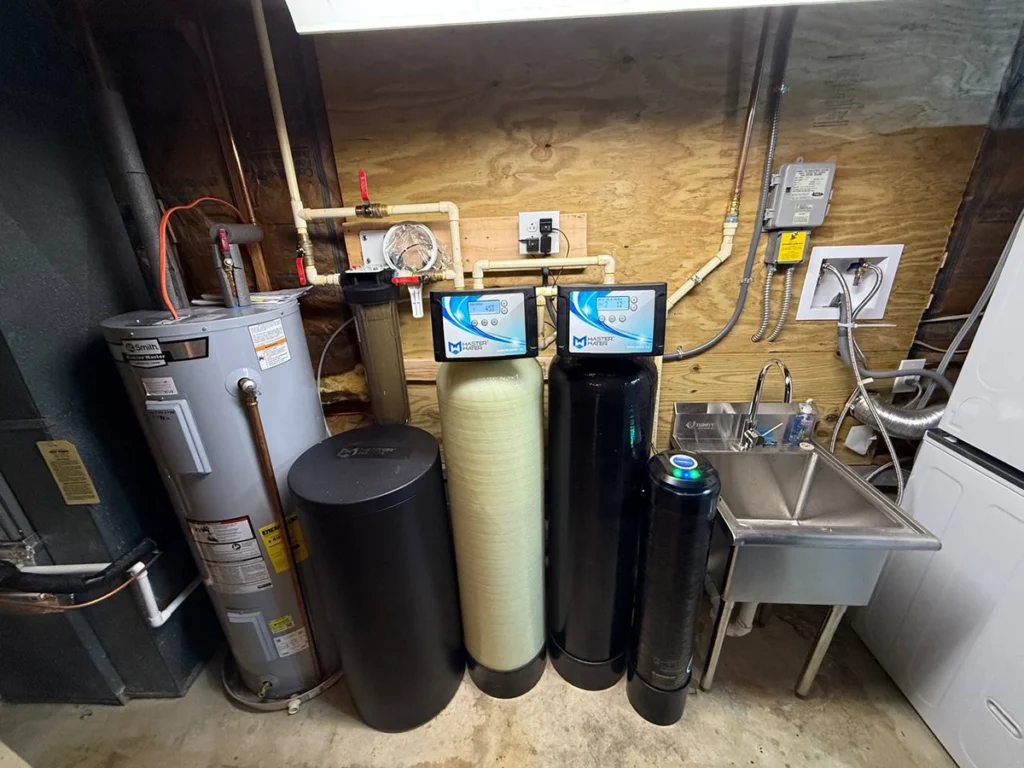
Water Filtration Maintenance: Follow the Installed System
Maintain water filters using the exact cartridge, media and equipment instructions. A universal replacement interval cannot fit every system.
Water Shutoff Valves: Find the Right One Before a Leak
Understand main and fixture water shutoffs, how to identify safe access and what to do when a valve will not close.
What Is a Diverter Valve, and How Does It Work?
A diverter selects the water outlet. The correct repair depends on whether it is part of the spout or a separate valve.
What Is a Gully Camera, and What Is It Used For?
Confirm which drain will be inspected, how the camera will reach it and what the inspection includes. A camera observes; it does not clear a blockage.
When Was Indoor Plumbing Invented? A Short History
Indoor plumbing developed through many changes in water supply, drainage and fixtures. There is no single date that describes every part of it.
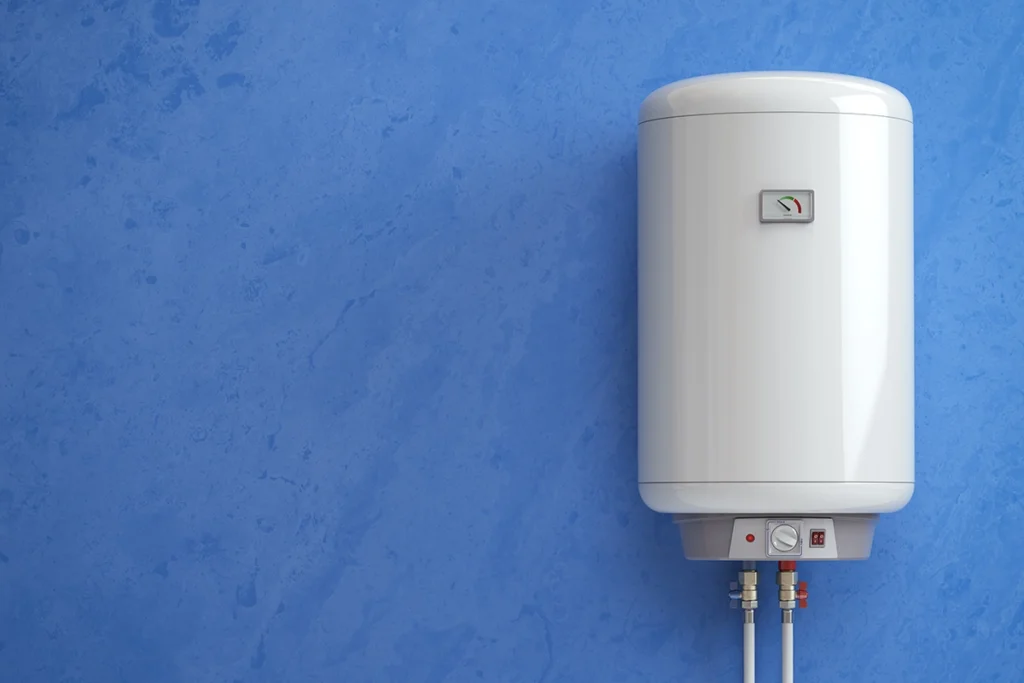
Why You Might See “Salt” Around a Water Heater
White residue is a clue, not a diagnosis. Look for fresh moisture and have the source checked before choosing a repair.
Why Your Water Heater Smells Like Oil—And What to Do
An unfamiliar odor cannot be diagnosed by its description. Address possible gas, carbon monoxide or fire danger before arranging a repair.
Slab Leak Repair: How the Leak Is Found, the Three Ways It's Fixed and How Long It Takes
Most slab leak repairs take one to three days, and waiting only adds to the damage. Once the leak under the foundation is pinpointed, the choice is rerouting, epoxy coating or direct pipe repair.
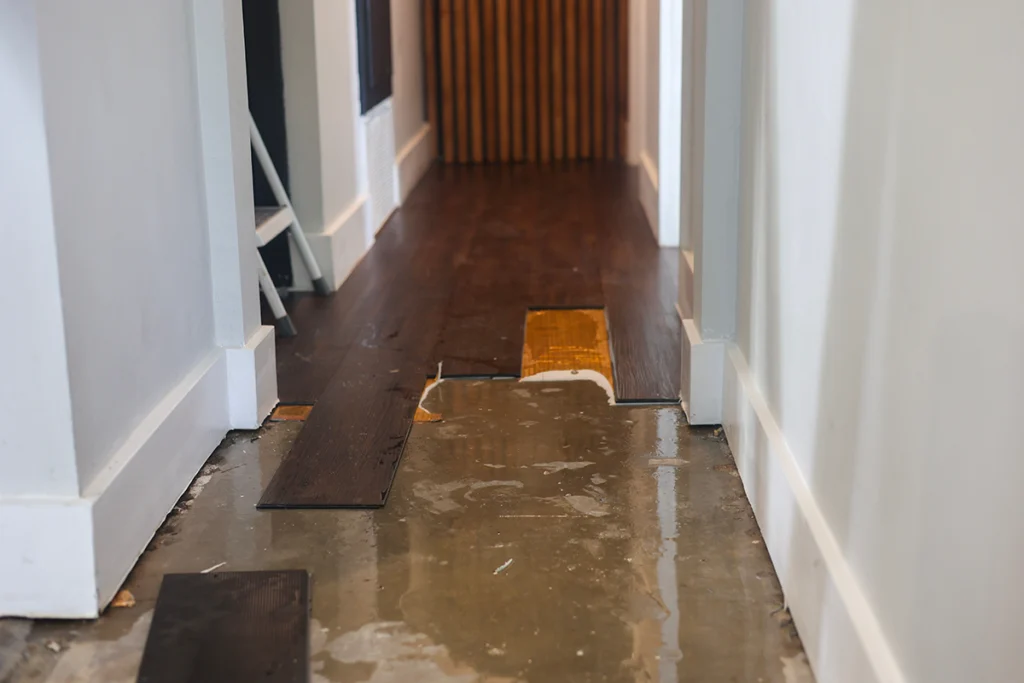
Five Signs of a Slab Leak and the Four Methods That Find It Without Breaking Concrete
Water bill climbing? A warm spot on the floor or the sound of running water with every tap off can also mean a pipe has failed under your slab. Listening equipment, thermal imaging and pressure tests are how it gets found.