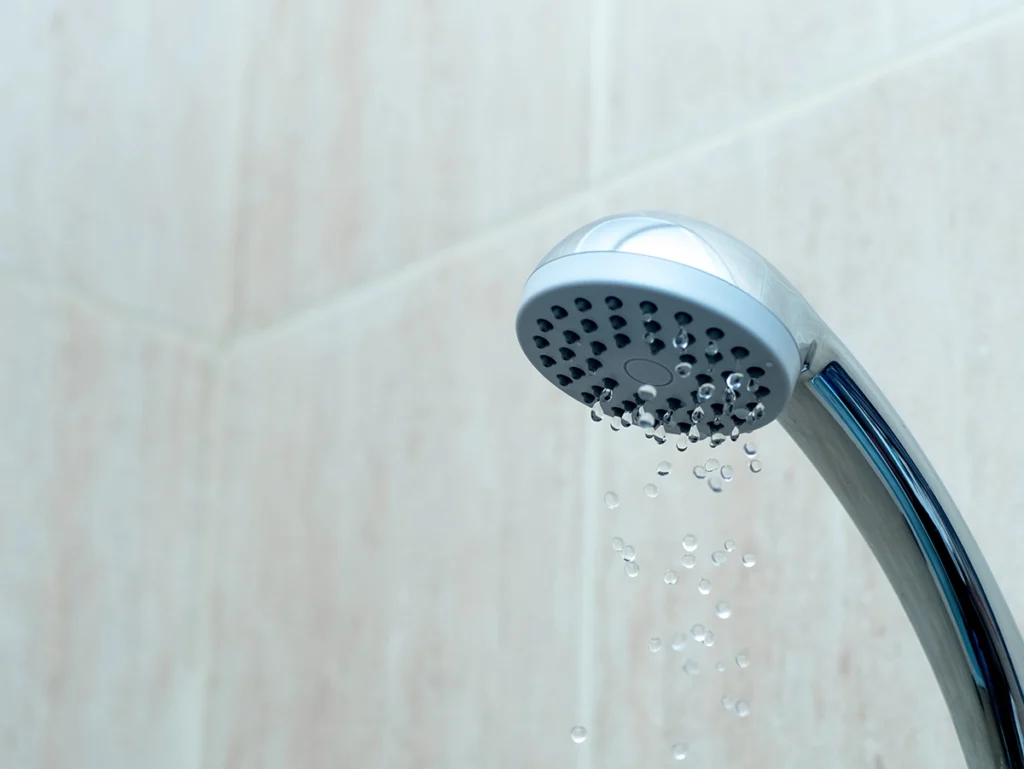
Stepping into the shower only to realize there’s no hot water can instantly ruin your morning. You might face a freezing spray or just lukewarm water when you need it hot. This frustrating problem of no hot water in shower situations disrupts your daily routine. The good news is that several common causes might be behind this issue. Understanding what’s happening helps you know when to call in professional help.
At Clog Heroes, we’ve diagnosed and repaired countless shower hot water problems throughout Fredericksburg and the surrounding areas. When you experience no hot water in shower fixtures, it might seem like a simple issue. However, it can stem from multiple sources—from your water heater to your shower valve and everything in between. Let’s explore what might be causing your cold shower troubles.
Common Reasons You Have No Hot Water in Your Shower
When you turn the shower handle and get nothing but cold water, the culprit could be hiding in several places. Your plumbing system connects multiple components, so pinpointing the exact cause requires some detective work. That’s why we always recommend having a licensed plumber investigate the root cause rather than guessing.
Water Heater Problems
Your water heater might be the most obvious suspect when hot water disappears. If other fixtures in your home also lack hot water, the issue likely lies with your water heater rather than the shower itself. A tripped circuit breaker on an electric water heater can stop hot water production completely. Similarly, a pilot light that’s gone out on a gas model will halt heating. A failing heating element also eliminates hot water entirely.
Even so, sometimes the water heater produces some hot water but not enough to reach your shower at the right temperature. Sediment buildup inside the tank reduces efficiency over time. This means your water heater works harder but delivers less hot water. In fact, this gradual decline often goes unnoticed until one day you’re left shivering under a cold spray wondering why there’s no hot water in shower fixtures.
Faulty Shower Valve or Cartridge
If every other faucet in your home delivers hot water just fine, but your shower doesn’t, the problem likely sits right inside your shower wall. The shower valve or cartridge controls the mix of hot and cold water flowing from your showerhead. When these components wear out or develop mineral deposits, they can restrict or completely block hot water flow, leaving you with no hot water in shower areas.
The mixing valve contains internal parts that physically break down over time. Hard water speeds up this wear. Plus, mineral buildup can lock the valve in a position that only allows cold water through. A certified technician will need to access the valve behind your shower wall to inspect and replace these components properly.
Broken Dip Tube
Your water heater contains a dip tube—a long pipe that directs incoming cold water to the bottom of the tank where it gets heated. If this tube breaks or wears out, cold water mixes with the hot water at the top of the tank. This results in lukewarm water throughout your home. The problem often shows up as weak hot water rather than complete no hot water in shower situations. However, it can feel like you’re barely getting any heat at all.
Older water heaters commonly experience dip tube failure, especially in areas with hard water. While you might still get some warmth from other fixtures, the shower—which demands higher water volume—reveals this problem most obviously.
Why Does This Problem Happen More Often in Showers?
You might notice that your bathroom sink delivers hot water while your shower doesn’t. That’s not your imagination. Showers demand much more water volume than sink faucets. Therefore, any problem affecting hot water flow becomes more noticeable when you’re standing under that showerhead expecting a warm stream.
Along with volume demands, showers typically sit farther from the water heater than bathroom sinks. The extra distance means hot water travels through more pipes. This creates more opportunities for heat loss and flow restriction. Plus, shower valves are more complex than sink faucets, which gives them more components that can fail and result in no hot water in shower use.
Signs That Point to a Specific Cause
Identifying the pattern of your hot water problem helps narrow down the likely source. Before calling a plumber, take note of these specific symptoms. They reveal important clues about what’s happening behind your walls.
Hot Water Works Everywhere Except the Shower
When your kitchen sink, bathroom sink, and other fixtures deliver hot water normally, but the shower doesn’t, the problem almost certainly lives inside your shower valve assembly. This isolated issue shows that your water heater works properly and hot water reaches your bathroom. It just can’t make it through the shower’s mixing valve.
No Hot Water Anywhere in the House
If you’re getting cold water from every fixture, your water heater needs immediate attention. The heating source has either failed completely or become disconnected from its power supply. Our technicians will check whether an electric water heater has a tripped breaker or blown fuse. A gas model could have a pilot light issue or a problem with its gas supply.
Water Starts Hot Then Quickly Goes Cold
When you get a brief burst of hot water followed by increasingly cold water, you might be dealing with a water heater that’s undersized for your household’s needs. Alternatively, you could have one that’s failing to maintain proper temperature. This symptom also suggests your water heater’s heating elements or thermostat might be broken.
What a Professional Inspection Involves
When you call Clog Heroes about your shower’s hot water problem, our licensed plumbers follow a systematic process. We start by testing other fixtures in your home to determine whether the issue affects just your shower or your entire plumbing system. This initial check tells us where to focus our investigation.
Next, we examine your water heater settings and overall condition. We check the thermostat and inspect for leaks. We also listen for unusual sounds and verify that all components work properly. For gas water heaters, we ensure the pilot light stays lit and the burner ignites correctly. For electric models, we test heating elements and electrical connections.
If your water heater checks out, we turn our attention to your shower valve. Accessing this component usually requires removing the shower handle and plate to reach the valve cartridge or mixing valve assembly behind your wall. We inspect for mineral buildup, worn seals, and mechanical failures that prevent proper hot water flow.
Professional Solutions for Shower Hot Water Problems
Once we’ve identified the root cause of your shower’s hot water issue, we recommend the appropriate repair or replacement. For water heater problems, solutions range from simple thermostat adjustments to heating element replacement or full water heater installation. Sediment buildup requires a professional flush, while a broken dip tube needs replacement.
Shower valve repairs typically involve replacing the cartridge or the entire valve assembly. Our technicians carry common replacement parts on our trucks. This means we can often complete these repairs during the same visit. The key thing is using the correct replacement parts that match your specific shower valve model.
Keep in mind that attempting shower valve repairs without proper knowledge can lead to water damage inside your walls. That’s why we always recommend letting experienced plumbers handle these repairs. We have the tools to shut off water supplies properly and access components without damaging your walls. We also test our repairs to ensure they’ll last.
Preventing Future Hot Water Problems
Regular maintenance helps your plumbing system deliver consistent hot water for years to come. We recommend scheduling annual water heater maintenance that includes flushing sediment, testing safety valves, and inspecting all components for wear. This preventive service extends your water heater’s lifespan and helps it operate more efficiently.
For homes with hard water, consider installing a water softener to reduce mineral buildup throughout your plumbing system. Hard water speeds up wear on shower valves, water heaters, and every pipe in your home. Softened water protects your investment in plumbing fixtures and appliances while improving their performance.
If your water heater is approaching 10-12 years old, start planning for replacement even if it still works. Water heaters typically fail without much warning. This leaves you without hot water at the most inconvenient times. Proactive replacement lets you choose timing that works for your schedule and budget.
Why Professional Help Matters
While it might be tempting to troubleshoot hot water problems yourself, these repairs involve components that can cause significant damage if handled incorrectly. Water heaters operate under pressure and involve either electrical wiring or gas lines—both potentially dangerous for untrained individuals. Shower valve repairs require accessing plumbing inside your walls. Even small mistakes can lead to leaks and water damage.
Our licensed plumbers at Clog Heroes bring the experience and tools necessary to diagnose problems accurately. We repair them properly the first time. We stand behind our work with warranties, and we complete repairs following all local plumbing codes. That means you get hot water restored safely and reliably.
Serving Fredericksburg, Spotsylvania, Stafford, and King George counties, we’re ready to help when you need hot water restored to your shower. We offer flexible scheduling and emergency service when you can’t wait for a warm shower. Our upfront pricing means you’ll know exactly what to expect before we begin any work.
Frequently Asked Questions
Why do I have hot water in my sink but not in my shower?
The shower valve or cartridge is likely blocked or broken. Since your sink delivers hot water, your water heater works properly—the problem exists specifically within your shower’s mixing valve assembly. A licensed plumber needs to access the valve behind your shower wall to inspect and replace the faulty components that control hot water flow.
How long should hot water last in the shower?
Most households should get 15-20 minutes of continuous hot water from a properly sized and working water heater. If your hot water runs out faster, your water heater might be undersized for your household’s needs. It could also have sediment buildup reducing its capacity. A professional inspection determines whether you need maintenance, repairs, or a larger unit.
Can a shower valve suddenly stop letting hot water through?
Yes, shower valves can fail suddenly, though problems usually develop gradually. Mineral deposits can lock the valve in a cold-water position overnight. Internal components can also break and block hot water flow. Age and hard water speed up these failures. Because the valve sits inside your wall, only a professional plumber should access and repair it to prevent water damage.
Should I call a plumber immediately if my shower has no hot water?
Yes, especially if you’ve checked that your water heater hasn’t simply tripped a breaker or lost its pilot light. When you discover no hot water in shower fixtures, it shows a problem requiring professional diagnosis and repair. Waiting can make problems worse, particularly if a water heater component is failing. We offer same-day service for these urgent plumbing issues throughout the Fredericksburg area.