When your bathroom sink won’t drain properly, it’s frustrating and inconvenient. Learning how to unclog a bathroom sink starts with identifying when your bathroom sink needs professional attention. This way, you can recognize what’s causing the backup. Also, you’ll know when it’s time to call in a professional. At Clog Heroes, we help homeowners throughout Fredericksburg understand what’s happening beneath their fixtures. Plus, we help you know when it’s best to let our licensed plumbers handle the problem.
Because bathroom sink clogs are among the most common plumbing issues we see, we’ve put together this guide. This guide will help you recognize the signs and understand the causes. Moreover, you’ll know when professional help is necessary and when you might address simple issues yourself.
Common Causes of Bathroom Sink Clogs
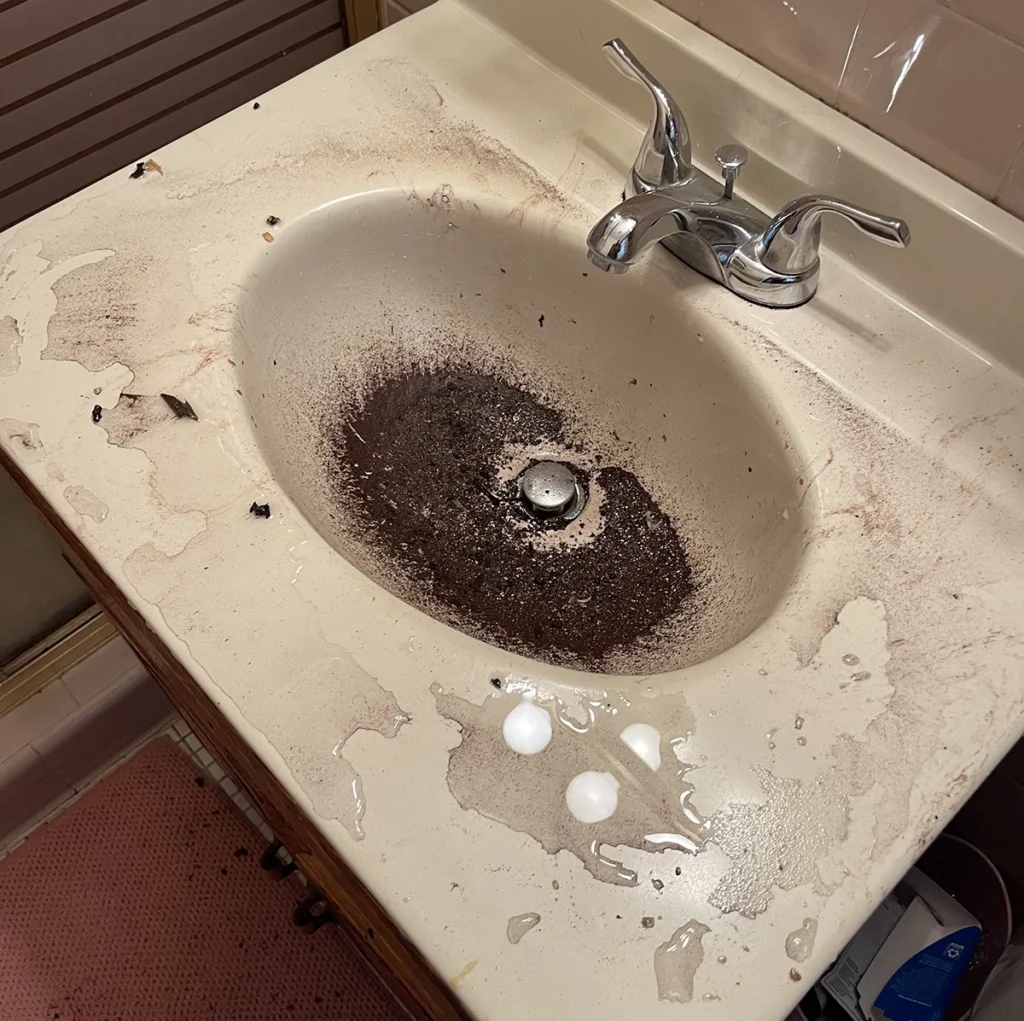
Understanding what causes your bathroom sink to clog helps you prevent future backups and gives you insight into how to unclog a bathroom sink effectively. Hair is the biggest problem in bathroom sinks. As it washes down the drain, it combines with soap scum and other debris. This creates stubborn blockages that restrict water flow. Over time, these buildups grow larger and tighter. Eventually, water barely drains at all.
Soap residue also plays a major role in clog formation. Traditional bar soaps contain fats and oils that leave behind a sticky film inside your pipes. That film catches hair, toothpaste, shaving cream, and other bathroom products as they pass through. In the end, this buildup narrows the pipe opening significantly.
Hard water minerals add to the problem too. Calcium and magnesium deposits build up on pipe walls. They create rough surfaces where hair and debris catch more easily. In particularly hard water areas like parts of Spotsylvania and Stafford counties, these mineral deposits can become quite thick over several years.
Small objects sometimes fall into bathroom sinks as well. Jewelry, cotton swabs, dental floss, and even children’s toys can slip past the stopper. These items create instant blockages. They often lodge in the P-trap. This is the curved section of pipe beneath your sink. It’s designed to hold water and prevent sewer gases from entering your home.
Warning Signs Your Bathroom Sink Is Clogging
Catching a clog early makes professional treatment faster and less expensive. Slow drainage is usually the first sign. If you notice water pooling in the basin longer than usual before draining, that indicates a partial blockage is forming. Don’t ignore this warning because partial clogs usually worsen quickly.
Gurgling sounds coming from your drain suggest air is trapped by the clog. The air escapes in bubbles. These noises often occur as water slowly works past the blockage. Along with that, you might notice unpleasant odors rising from the drain. When hair, soap, and organic matter break down inside your pipes, they create foul smells. These smells rise up through the sink.
Standing water that won’t drain at all means you’re dealing with a complete blockage. At this point, the situation needs immediate professional attention. Water backing up into other fixtures when you use the sink can indicate a more serious issue. This suggests a problem in your main drain line rather than just a local sink clog.
How Water Flow Changes Signal Problems
Pay attention to how water behaves when your bathroom sink drains. Normal drainage should be smooth and steady. Water should disappear within seconds after you turn off the faucet. When a clog develops, you’ll see water swirling slowly or sitting still. Then it finally trickles away.
Multiple drains backing up at the same time points to a shared drain line problem. This is different from an isolated sink issue. For instance, if your bathroom sink and tub both drain slowly, the clog likely sits further down in the system. That’s where those lines connect. That’s when you need professional drain cleaning equipment to reach and clear the blockage effectively.
What Happens During a Professional Bathroom Sink Unclogging
When you contact Clog Heroes for help with how to unclog a bathroom sink, our licensed plumbers follow a systematic approach. First, we’ll assess the situation by testing the drainage and inspecting visible parts. We’ll check whether the stopper mechanism is working properly. Sometimes the issue isn’t actually a clog but rather a stuck or misaligned stopper.
Next, we’ll examine the P-trap, which is where most bathroom sink clogs occur. This curved section is designed to catch debris before it travels deeper into your plumbing system. Because of this, it’s often the first place we investigate. Our technicians have the proper tools to access and clear this area. We do this without damaging your fixtures or pipes.
For deeper clogs beyond the P-trap, we’ll use professional-grade equipment like drain snakes or augers. These tools reach far into your plumbing system to break up or retrieve blockages. Household methods can’t address these deeper clogs. In some cases, we might use a camera inspection. This lets us see exactly where the blockage is located and what’s causing it.
Hydro jetting is another technique our technicians use for stubborn buildup. This method uses high-pressure water streams to thoroughly clean pipe interiors. It removes years of built-up soap scum, mineral deposits, and organic matter. It’s especially effective for recurring clogs caused by chronic buildup rather than single blockages.
Diagnostic Steps Our Plumbers Take
Our team follows a proven process to identify and resolve bathroom sink clogs efficiently:
- Visual inspection: We’ll examine the sink, stopper assembly, and visible drain parts to identify obvious issues or damage
- Drainage test: We’ll run water to observe flow rate and listen for gurgling or other unusual sounds that indicate blockage location
- P-trap examination: We’ll check this common trouble spot for hair clogs, debris buildup, or damage that might be causing problems
- Snake or auger deployment: We’ll insert professional drain cleaning tools to reach and clear blockages beyond the trap
- Water pressure test: After clearing the clog, we’ll test drainage thoroughly to ensure proper flow is restored
- Prevention assessment: We’ll identify factors contributing to the clog and offer recommendations to prevent future backups
Why DIY Methods Often Fall Short
Many homeowners try various approaches when their bathroom sink clogs. However, these attempts frequently provide only temporary relief or even make matters worse. Understanding how to unclog a bathroom sink properly requires the right tools and techniques that most homeowners don’t have access to. Chemical drain cleaners are particularly problematic. While they might dissolve some clogs, they also corrode your pipes over time. This is especially true if you have older plumbing or certain pipe materials.
Store-bought drain snakes lack the length and strength of professional equipment. They might reach clogs in the P-trap, but they can’t effectively address blockages deeper in your system. Plus, improper use can scratch or damage pipe interiors. This creates rough surfaces where future clogs form more easily.
Plunging works in some situations, yet it requires proper technique and the right type of plunger. Even so, plunging only addresses certain types of clogs. It can’t remove the sticky buildup that often lines bathroom drain pipes. That’s why clogs frequently return shortly after homeowners think they’ve solved the problem.
The Risks of Delaying Professional Help
Ignoring a clogged bathroom sink creates bigger problems. So does repeatedly attempting unsuccessful fixes. Standing water damages sink fixtures and countertops. This is especially true if your sink is made from materials that are prone to water staining or damage. Prolonged exposure to moisture also encourages mold and mildew growth in your bathroom.
What starts as a simple bathroom sink clog can indicate larger plumbing issues. If the blockage is actually in a shared drain line, other fixtures will start backing up too. Water damage from overflowing sinks can affect flooring, cabinetry, and even structural parts if left unchecked.
Our team at Clog Heroes has seen countless situations where homeowners spent money on multiple DIY products. They also wasted valuable time, only to eventually call us anyway. Addressing the problem professionally from the start saves both money and frustration in the long run.
Preventing Future Bathroom Sink Clogs
Once we’ve cleared your bathroom sink clog, we’ll share practical prevention strategies. Installing a quality drain screen or hair catcher is one of the most effective measures you can take. These inexpensive devices sit over your drain opening. They trap hair before it enters your pipes. They also prevent other debris from washing down.
Regular hot water flushing helps too. Running hot water through your bathroom sink for a minute after each use helps wash away soap residue. This works before it can build up. Of course, this works best when combined with other preventive measures rather than as a standalone solution.
Being mindful of what goes down your drain makes a significant difference. Keep items like dental floss, cotton balls, and wipes out of your sink. These materials don’t break down in water. Even products labeled “flushable” often contribute to clogs. This is because they don’t dissolve as quickly as manufacturers claim.
Professional maintenance cleaning prevents buildup from reaching clog-causing levels. We recommend scheduling drain cleaning service annually or twice yearly. This depends on your household size and usage patterns. This proactive approach keeps your bathroom sink draining properly year-round. It also helps us catch potential problems before they become emergencies. Similarly, the EPA encourages homeowners to check for leaks and address plumbing issues early to reduce water waste and damage.
When to Call Clog Heroes Immediately
Some bathroom sink situations require immediate professional attention. If you have standing water that won’t drain at all, don’t wait to contact us. Complete blockages often worsen quickly. They can lead to overflow situations that damage your bathroom. Knowing when to seek help with how to unclog a bathroom sink can prevent costly repairs down the line.
Multiple slow drains throughout your home indicate a main line issue. This is different from an isolated bathroom sink problem. These situations need professional diagnosis and treatment since they affect your entire plumbing system. We have the specialized equipment necessary to locate and clear main line blockages safely.
Sewage odors coming from your bathroom sink should never be ignored. While minor drain odors are common, strong sewage smells suggest a serious problem. This could be with your drain venting or a blockage affecting your sewer line. Either way, our licensed plumbers can identify the source and resolve the issue properly.
Recurring clogs that return within weeks of your last attempt signal an underlying problem. DIY methods won’t fix these chronic issues. They might indicate pipe damage, severe buildup, or improper drain installation. These problems require professional correction. We’ll diagnose the root cause and implement a lasting solution. We won’t just temporarily clear the symptoms.
How Clog Heroes Serves Fredericksburg Homeowners
At Clog Heroes, we’ve built our reputation on providing fast, reliable plumbing services throughout Fredericksburg, Spotsylvania, Stafford, and King George counties. Our licensed plumbers bring years of experience and professional-grade equipment to every job. We understand that plumbing problems create stress and disruption. So we work efficiently to restore your bathroom sink to proper working order.
We provide upfront pricing before we begin work. This means you’ll never face surprise charges. Our team explains what we find, what we recommend, and why certain repairs or services are necessary. This transparent approach helps you make informed decisions about your plumbing system and ensures you understand the best solutions for how to unclog a bathroom sink in your specific situation.
Emergency service is available when you need it because clogs don’t wait for convenient times. Whether your bathroom sink backs up on a weekend, holiday, or in the middle of the night, we’re ready to help. Our technicians arrive with fully stocked vehicles. These contain the tools and parts needed to handle most bathroom sink clogs on the first visit.
Beyond just unclogging your bathroom sink, we take time to educate our customers about their plumbing systems. We’ll point out potential trouble spots and explain what caused your clog. Plus, we offer prevention tips tailored to your specific situation. Our goal is to empower you with knowledge while providing the professional service you need. If you’re experiencing drainage issues or need expert help, reach out to our team for fast, reliable solutions.
Frequently Asked Questions About How to Unclog a Bathroom Sink
What causes bathroom sinks to clog more than kitchen sinks?
Bathroom sinks collect more hair and soap scum than kitchen sinks. Hair combines with soap residue, toothpaste, and shaving cream to form stubborn clogs. These form in the drain and P-trap. These materials create sticky masses that catch additional debris. Over time, they restrict water flow.
How long does professional bathroom sink unclogging take?
Most bathroom sink clogs are cleared within 30 to 60 minutes. Simple P-trap clogs take less time. However, deeper blockages or severe buildup require additional work. Our technicians work efficiently to restore proper drainage quickly. At the same time, we ensure the problem is completely resolved.
Can chemical drain cleaners damage my bathroom plumbing?
Yes, chemical drain cleaners corrode pipes over time, especially with repeated use. They’re particularly harsh on older plumbing and certain pipe materials. These chemicals also create hazardous fumes. They can cause serious injuries if mishandled. Professional mechanical cleaning is much safer for your plumbing system.
How often should I have my bathroom drains professionally cleaned?
We recommend professional drain cleaning every one to two years for most households. Homes with long hair, hard water, or heavy bathroom usage benefit from annual service. Regular maintenance prevents clogs from forming. It also extends the life of your plumbing system significantly.
How to Unclog a Bathroom Sink: Step-by-Step Guide
Examine the sink, stopper assembly, and visible drain components to identify obvious issues or damage.
Run water to observe flow rate and listen for gurgling or other unusual sounds that indicate blockage location.
Check this common trouble spot for hair clogs, debris accumulation, or damage that might be causing problems.
Insert professional drain cleaning tools to reach and clear obstructions beyond the trap.
After clearing the clog, test drainage thoroughly to ensure proper flow is restored.
Identify factors contributing to the clog and offer recommendations to prevent future backups.