
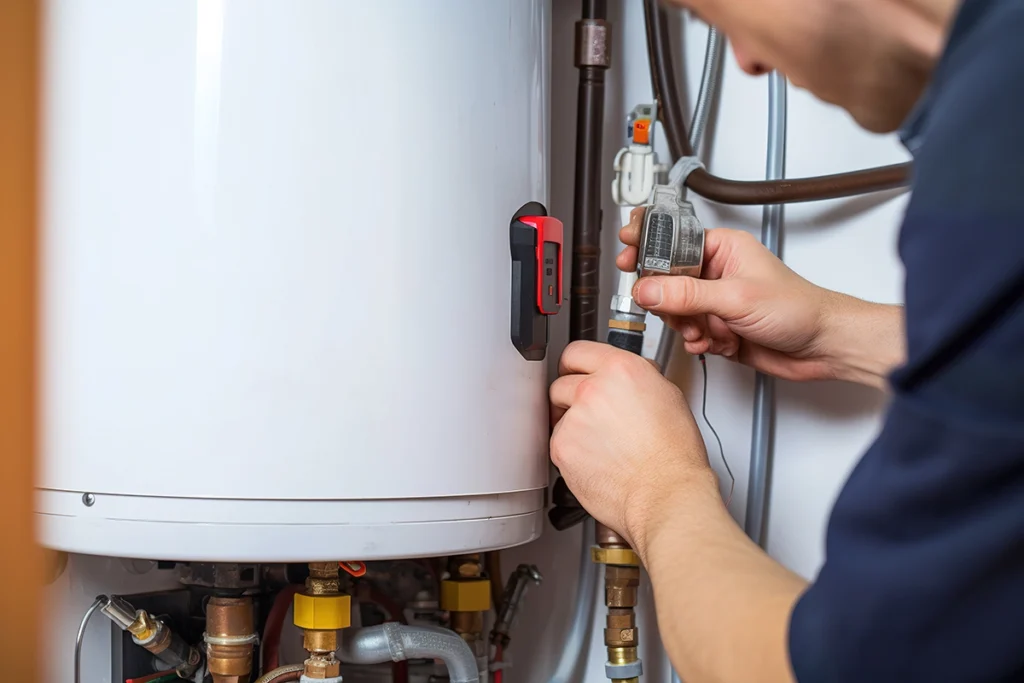
When your hot water runs out faster than usual or you notice lukewarm water coming from your faucets, the culprit might be a failed water heater dip tube. This small but crucial component plays a vital role in your water heater’s performance, and when it breaks, it can seriously impact your home’s hot water supply.
Understanding what a dip tube does and recognizing the signs of failure can help you identify when it’s time to call a professional. Let’s explore this often-overlooked component and what happens when it goes wrong.
What Is a Water Heater Dip Tube?
A water heater dip tube is a long tube connected to the cold-water inlet at the top of a storage tank. According to the U.S. Department of Energy, cold water enters the bottom of the tank through the dip tube, where it is heated before rising to the top. Without that process, incoming cold water can mix too quickly with the hot water supply and reduce performance.
The dip tube serves a critical function: it directs incoming cold water to the bottom of the tank where the heating elements or burner are located. Without it, cold water would mix with the hot water at the top, reducing your overall water temperature and efficiency.
Most dip tubes are made of plastic and can deteriorate over time, especially in older water heaters. When they break or become damaged, your water heater’s performance suffers immediately.
How Does a Water Heater Dip Tube Work?
The dip tube works on a simple but effective principle. When you turn on a hot water tap, cold water enters your water heater through the inlet connection. Instead of mixing with the hot water at the top of the tank, the dip tube carries this cold water down to the bottom.
At the bottom of the tank, the cold water is heated by gas burners or electric elements. As water heats up, it naturally rises to the top of the tank due to thermal stratification. This creates a continuous cycle where hot water exits from the top while cold water enters at the bottom for heating.
This system ensures you get consistently hot water and maximizes your water heater’s efficiency. When the dip tube fails, this carefully orchestrated process breaks down.
Common Signs Your Water Heater Dip Tube Is Failing
Several warning signs indicate your water heater dip tube might be broken or deteriorating:
- Hot water runs out quickly: If your showers are getting shorter because hot water doesn’t last as long as it used to, a broken dip tube could be mixing cold water with hot at the top of the tank
- Lukewarm water from the start: When hot water taps produce tepid water instead of hot water, it often means cold water is mixing where it shouldn’t
- Plastic pieces in your water: Small white or colored plastic fragments coming from your faucets or showerheads indicate a deteriorating dip tube
- Reduced water pressure at hot water fixtures: Plastic debris from a failing dip tube can clog aerators and showerheads
- Higher energy bills: A broken dip tube makes your water heater work harder to maintain temperature, increasing energy consumption
If you notice any of these symptoms, especially plastic debris, it’s time to have your water heater inspected by a professional.
What Causes Dip Tube Failure?
Several factors can lead to dip tube deterioration and failure:
Age and normal wear: Most dip tubes are designed to last 8-12 years, but some may fail sooner depending on water conditions and usage patterns.
Poor water quality: Hard water, high chlorine levels, or acidic water can accelerate plastic degradation. This is why proper water filtration maintenance is so important for your entire plumbing system.
Manufacturing defects: Some dip tubes, particularly those made between 1993-1997, were prone to premature failure due to defective plastic formulations.
High water temperatures: Consistently running your water heater at very high temperatures can cause the plastic to become brittle and break down faster.
Thermal cycling: The constant heating and cooling cycles put stress on the plastic material over time.
Why Professional Diagnosis Matters
While the symptoms of dip tube failure might seem clear-cut, proper diagnosis requires professional expertise. Many issues can mimic dip tube problems, including:
- Faulty heating elements or thermostats
- Sediment buildup in the tank
- Problems with the water heater’s internal components
- Issues with your home’s plumbing system
A certified technician can properly diagnose whether your dip tube is actually the problem or if another component needs attention. This prevents unnecessary repairs and ensures you get the right fix the first time.
What Professional Water Heater Dip Tube Replacement Involves
When a professional determines your dip tube needs replacement, the process involves several critical steps that require specialized knowledge and tools.
Your technician will first drain the water heater and disconnect the cold water inlet connection. They’ll then carefully remove the old dip tube, which may have broken into multiple pieces inside the tank. This step requires special tools and techniques to ensure all debris is removed.
The replacement process involves installing a new, high-quality dip tube that’s properly sized for your specific water heater model. Professional installation ensures the tube extends to the correct depth and is securely connected to prevent future problems.
After installation, your pro will refill the tank, check for proper operation, and test the water temperature to ensure everything is working correctly. This thorough approach prevents callbacks and ensures long-lasting results.
Benefits of Professional Service
While dip tube problems might seem straightforward, professional service offers several advantages:
Complete diagnosis: Technicians can identify related issues that might not be obvious, such as sediment buildup or other component problems that could cause future failures.
Quality parts: Professional plumbers use high-quality replacement dip tubes designed to last longer than standard hardware store versions.
Proper tools and techniques: Specialized equipment ensures complete removal of old tube debris and proper installation of the new component.
Warranty protection: Professional installation often comes with warranties on both parts and labor, protecting your investment.
Safety assurance: Working with water heaters involves electrical and gas connections that require professional expertise to handle safely.
Preventing Future Water Heater Dip Tube Problems
While dip tube failure is often inevitable due to age, several steps can help extend the life of this component:
Regular water heater maintenance helps identify potential problems before they become major issues. This includes annual inspections and flushing to remove sediment buildup that can stress internal components.
Water quality improvements can significantly impact dip tube longevity. Installing appropriate water treatment systems reduces the chemicals and minerals that accelerate plastic degradation.
Proper water heater temperature settings (120°F is typically recommended) reduce thermal stress on internal components while still providing adequate hot water for your needs.
Consider upgrading to a newer water heater if yours was manufactured during the problematic 1993-1997 period, as these units are particularly prone to dip tube failure.
When to Consider Water Heater Replacement
Sometimes dip tube failure is a sign that your water heater is reaching the end of its useful life. If your unit is over 10 years old and experiencing multiple problems, replacement might be more cost-effective than continued repairs.
Modern water heaters offer improved efficiency and reliability compared to older models. Tankless water heaters eliminate dip tube problems entirely while providing endless hot water and improved energy efficiency.
A professional can help you evaluate whether repair or replacement makes more financial sense based on your water heater’s age, condition, and repair history.
Why Choose Professional Water Heater Service
Dip tube problems require immediate attention to restore your hot water supply and prevent further damage to your water heater. Attempting DIY repairs can lead to incomplete fixes, safety hazards, and voided warranties.
Professional service ensures proper diagnosis, quality repairs, and long-lasting results. Certified technicians have the experience and tools needed to handle even complex water heater issues safely and effectively.
Don’t let a failed dip tube disrupt your daily routine or damage your water heater. Professional water heater services can quickly restore your hot water supply and ensure your system operates efficiently for years to come.
If you’re experiencing any signs of dip tube failure in Fredericksburg, Spotsylvania, Stafford, or King George counties, contact Clog Heroes Plumbing, Sewer & Drain for fast, professional diagnosis and repair. Our experienced technicians will get your hot water flowing properly again.
Frequently Asked Questions
When hot water starts running out too quickly or your taps stop getting as warm as they should, it is normal to have questions about what may be causing the problem. Below are answers to common questions about water heater dip tube failure, repair, replacement, and what to expect next.
How long do water heater dip tubes typically last?
Most dip tubes last 8-12 years under normal conditions. However, water quality, temperature settings, and manufacturing date can affect lifespan, with some units from 1993-1997 prone to earlier failure.
Can a broken dip tube damage my water heater?
While a broken dip tube won’t immediately damage your water heater, it reduces efficiency and forces the unit to work harder. Plastic debris can also clog fixtures and internal components over time.
How much does dip tube replacement cost?
Professional dip tube replacement typically costs between $150-400 depending on your water heater type and local labor rates. This includes parts, labor, and proper disposal of old components.
Should I replace my water heater if the dip tube fails?
If your water heater is under 8 years old, dip tube replacement is usually the best option. For older units or those with multiple problems, replacement might be more cost-effective long-term.