When your home relies on well water, a deep well water pump is essential for consistent water flow throughout your property. Understanding how these systems work helps you recognize when they need professional attention. This knowledge can help you avoid unexpected water outages and costly emergency repairs. At Clog Heroes, we’ve seen firsthand how deep well pumps play a critical role. In fact, they keep Fredericksburg-area homes running smoothly.
What Is a Deep Well Water Pump and How Does It Work?
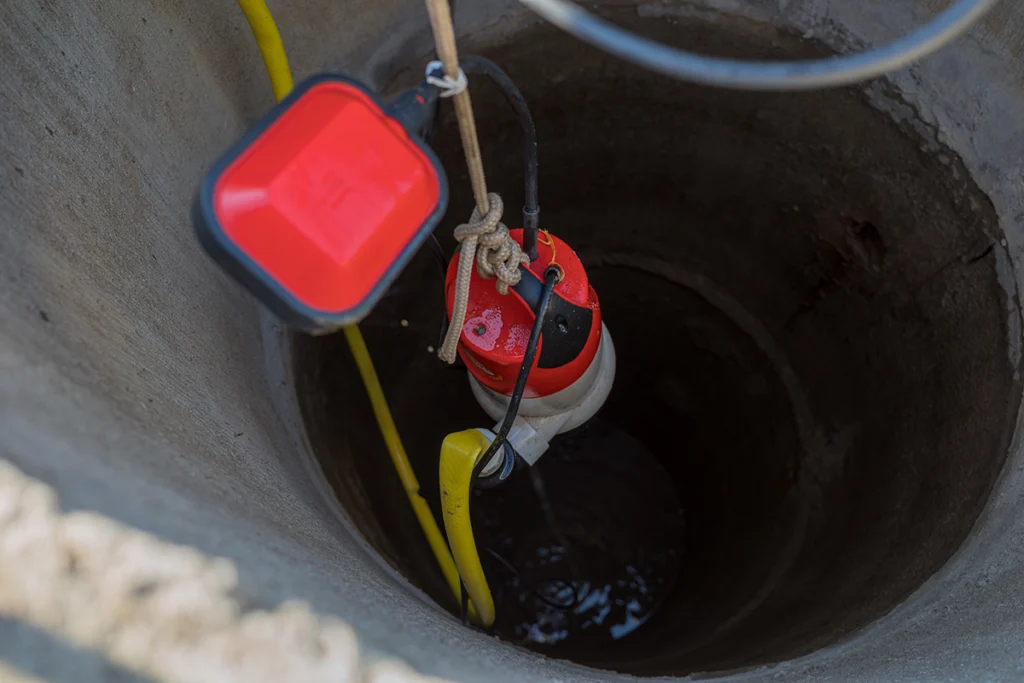
A deep well water pump pulls water from underground sources located more than 25 feet below ground level. Unlike shallow well pumps that push water from the surface, deep well systems use submersible pumps. These pumps sit inside the well casing itself. This placement allows the pump to push water upward rather than relying on suction. As a result, it makes the system far more efficient for homes with deeper wells.
These pumps typically consist of a motor, impeller stages, and control systems. They work together to deliver water to your home. The motor drives the impellers, which push water through the well pipe and into your pressure tank. From there, the pressure tank maintains steady water pressure throughout your plumbing system. Because the pump operates underwater, it stays cooler and runs more quietly than surface-mounted alternatives.
In Fredericksburg and the surrounding counties, many homes rely on well water. This is especially true in more rural areas of Spotsylvania and Stafford. The depth of these wells can vary significantly based on local geology. Therefore, selecting the right deep well water pump requires careful consideration of your specific property conditions.
Signs Your Deep Well Pump Needs Professional Attention
Recognizing the warning signs of pump problems early can save you from complete system failure. While pumps for deep wells are built to last for years, they don’t last forever. Certain symptoms indicate it’s time to call our team.
Water Pressure Issues Throughout Your Home
If you’ve noticed that your faucets produce only a trickle, your pump may be struggling. Similarly, fluctuating water pressure also signals pump problems. Low pressure can indicate worn impellers, a failing motor, or issues with the pressure tank. Sometimes the problem lies with the pressure switch. Either way, a licensed plumber should diagnose the root cause before the pump fails completely.
Strange Noises or Vibrations
Deep well pumps should operate quietly since they’re submerged. In fact, if you hear grinding, rattling, or humming sounds coming from your well area or pressure tank, something is wrong. These noises often signal bearing failure, motor issues, or debris interference. Because these pumps operate in challenging conditions, any unusual sounds deserve immediate professional evaluation.
Cloudy or Muddy Water Coming from Taps
While some sediment is normal in well water, a sudden increase in cloudiness suggests problems. Similarly, muddy appearance indicates your pump may be drawing from too low in the well. It could also mean you’re experiencing mechanical problems. Sediment buildup can damage the pump’s internal components and contaminate your home’s water supply. Our technicians can determine whether you’re dealing with a pump position issue or a more serious mechanical failure.
Electrical Issues and Frequent Cycling
Your circuit breaker may trip frequently, or the pump might cycle on and off rapidly. These symptoms indicate you likely have an electrical problem or a pressure control malfunction. These issues can cause the motor to overheat and fail early. Because well pumps draw significant power, electrical problems should never be ignored or treated as DIY projects.
Common Deep Well Water Pump Problems
Understanding what typically goes wrong with these systems helps homeowners recognize when to seek professional help. Although pumps are remarkably durable, several common issues can develop over time.
Motor Failure and Burnout
The motor is the heart of your deep well pump system. Burnout typically occurs due to age, electrical surges, or running dry when water levels drop too low. When a motor fails, we typically replace the entire pump assembly. This is because the repair costs often exceed replacement costs. That’s why regular maintenance and professional monitoring of water levels matter so much for system longevity.
Clogged or Damaged Impellers
Impellers move water through the pump stages. They can become clogged with sediment, mineral deposits, or debris. Even small amounts of sand or grit can wear down the impeller surfaces over time. As a result, this reduces efficiency. A certified technician can inspect the impellers and determine whether cleaning or replacement is necessary.
Pressure Tank and Switch Problems
While technically separate from the pump itself, the pressure tank and switch work as integrated components of your water system. A waterlogged pressure tank won’t maintain proper pressure. This forces the pump to cycle constantly. Similarly, a faulty pressure switch can prevent the pump from activating when needed. It can also cause the pump to run continuously. We diagnose these issues systematically to identify exactly which component needs attention.
Pipe and Wiring Deterioration
The drop pipe connecting your pump to the surface can deteriorate over years of service. The electrical wiring running down the well faces the same challenge. Corroded connections, damaged insulation, or cracked pipes lead to performance issues and potential pump damage. Inspecting these components requires specialized equipment and expertise that homeowners simply don’t have access to.
Choosing the Right Deep Well Pump for Your Property
When replacement becomes necessary, selecting the appropriate pump involves several important considerations. The wrong pump can lead to poor performance, early failure, and wasted money. Therefore, professional guidance matters tremendously.
Your well’s depth determines the horsepower and number of impeller stages needed. Deeper wells require more powerful motors to push water to the surface efficiently. Your household’s water demand affects pump capacity as well. For example, larger homes with more fixtures need pumps that can deliver higher gallons per minute. The well’s diameter also limits which pump models will physically fit inside the casing.
Water quality also plays a role in pump selection. Wells with high sediment levels or corrosive water may require pumps with specialized materials or coatings. At Clog Heroes, we evaluate all these factors during our assessment. This helps us recommend the most appropriate and cost-effective solution for your specific situation.
Why Professional Installation and Repair Matter
Working with well pumps involves challenges that go far beyond typical plumbing repairs. Pulling a pump from a deep well requires specialized equipment like a well rig or tripod system. The pump assembly can weigh several hundred pounds when you include the motor, piping, and water column. Plus, electrical work at these depths demands strict adherence to safety codes to prevent shock hazards.
Improper installation can damage the pump, the well casing, or the underground wiring. It can also create contamination pathways that compromise your water supply. Because wells provide drinking water for your family, any work must be performed by licensed professionals.
Our team brings the right tools, training, and experience to handle well pump service safely and efficiently. We follow Virginia’s plumbing codes and well water regulations. This ensures your system meets all legal requirements while delivering reliable performance.
Maintaining Your Deep Well System
While major repairs require professional service, homeowners can take steps to extend pump life and catch problems early. Regular water testing helps identify quality changes that might indicate system issues. Monitoring your pressure gauge for unusual readings can alert you to developing problems before they become emergencies.
Keep the area around your wellhead clear of debris. Also, ensure the cap remains secure to prevent contamination. If you notice any changes in water taste, odor, flow rate, or appearance, contact us promptly. Early intervention almost always costs less than emergency repairs after a complete failure.
For homes with deep wells, annual inspections provide peace of mind and help identify wear before it leads to breakdowns. We check electrical connections, test pressure settings, inspect the tank, and evaluate overall system performance. This proactive approach helps you avoid the inconvenience and expense of sudden water loss.
When to Call Clog Heroes for Deep Well Pump Service
Whether you’re dealing with reduced water pressure, strange noises, or complete pump failure, our team is ready to help. We understand how disruptive water problems can be for Fredericksburg-area families. That’s why we respond quickly and work efficiently to restore your water supply.
Don’t wait until you’re completely without water to address pump issues. If something seems off with your well system, trust your instincts and give us a call. We’ll diagnose the problem accurately and provide honest recommendations. Our advice covers whether repair or replacement makes the most sense for your situation and budget.
Our licensed plumbers have the specialized knowledge to handle all aspects of deep well water pump service. This includes troubleshooting electrical issues and pulling and replacing pump assemblies. We’re available 24/7 for emergencies because we know water problems don’t wait for convenient times.
Frequently Asked Questions
How long does a deep well water pump typically last?
Most deep well water pump systems last between 10 and 15 years with proper maintenance. Lifespan depends on water quality, pump quality, usage patterns, and whether the pump runs dry. High sediment levels or frequent power surges can shorten pump life. However, consistent water levels and surge protection extend it.
Why is my well pump running but not producing water?
This typically indicates a disconnected drop pipe, a broken pump shaft, failed check valve, or severely worn impellers. The pump may also be positioned above the water level if your well has gone dry. A licensed plumber needs to pull the pump to inspect the components and determine the exact cause.
Can I replace my deep well pump myself to save money?
Replacing a deep well pump requires specialized equipment, electrical expertise, and knowledge of well systems. Most homeowners don’t possess these skills. The work involves lifting heavy equipment from depths of 100 feet or more. It also requires making electrical connections underwater and ensuring proper sanitary seals. Professional installation is always recommended for safety and reliability.
What causes a deep well pump to cycle on and off frequently?
Rapid cycling usually indicates a waterlogged pressure tank, faulty pressure switch, leak in the system, or improperly sized tank. The pressure tank’s bladder may have failed. This prevents it from maintaining proper air charge. A plumber can test the tank, check for leaks, and adjust or replace components as needed.