If you rely on a private well for your home’s water supply, you’ve probably wondered how does well water work. A well system provides an independent water source that avoids the monthly bills from municipal providers. However, it also requires a bit more understanding. We see plenty of well-related questions from homeowners in Spotsylvania and Stafford counties. So let’s walk through exactly how these systems function, what components keep them running, and when you might need professional help to maintain reliable water pressure and quality.
Understanding How Does Well Water Work in Your Home
At its most basic level, a well taps into groundwater stored naturally beneath the earth’s surface. Unlike city water that travels through municipal pipes, well water comes directly from underground aquifers. These aquifers are layers of porous rock or sediment that hold water, much like a sponge. When rain and snow seep through soil and rock over time, gravity pulls that water downward. Eventually, it reaches these underground reservoirs. Understanding how does well water work begins with recognizing this natural cycle of water collection and storage.
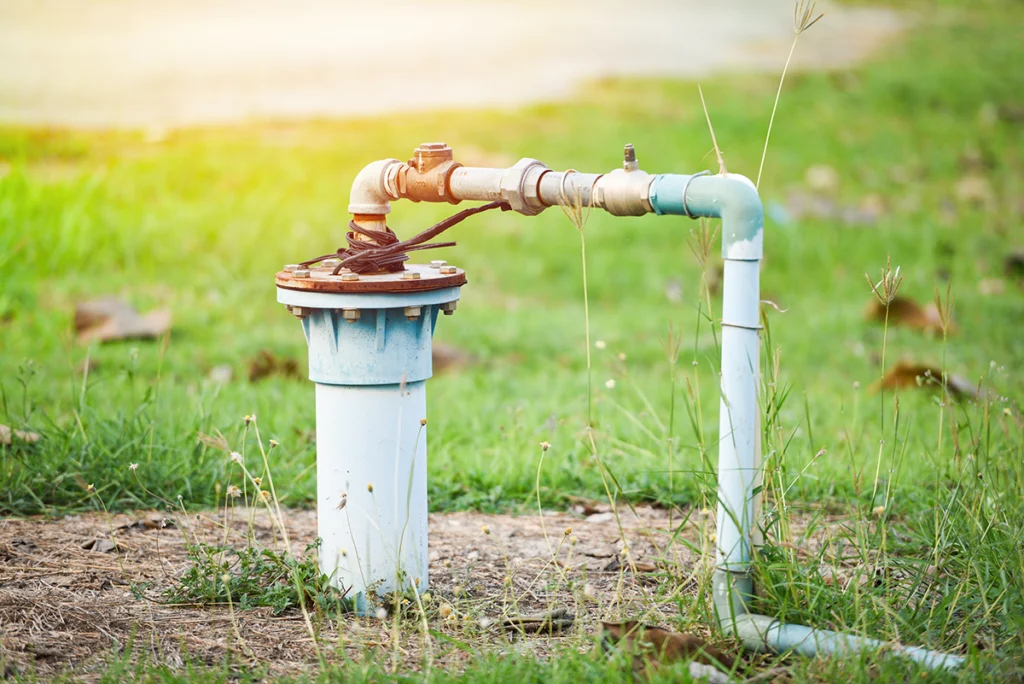
Your well consists of a drilled hole—sometimes hundreds of feet deep—lined with casing to prevent collapse and contamination. A submersible pump sits near the bottom of this well shaft. Electricity from your home powers this pump. When you turn on a faucet or flush a toilet, the pump activates and pushes water upward through the well casing and into your home’s plumbing system. That’s why power outages can leave well-dependent homes without water. The pump requires electricity to operate.
Key Components That Make Your Well System Function
Several critical parts work together to deliver water from deep underground to your kitchen sink. The submersible pump does the heavy lifting, but it’s just one piece of the puzzle. Understanding these components helps you recognize potential problems before they become emergencies. When homeowners ask how does well water work, they’re really asking about this interconnected system of mechanical and electrical parts.
The Well Pump and Motor
Most modern residential wells use submersible pumps that sit below the water line inside the well casing. These pumps are designed to push water upward rather than pull it, which is far more efficient. The electric motor is sealed to prevent water damage. The entire unit can last 15 to 25 years with proper maintenance. However, sediment buildup, electrical issues, or mechanical wear can shorten that lifespan.
If you notice reduced water pressure throughout your home or hear unusual sounds when water runs, these are signs your deep well water pump needs professional inspection. A certified technician should handle this evaluation.
Pressure Tank and Switch
The pressure tank stores water under pressure so your pump doesn’t have to run every single time you turn on a faucet. Inside this tank, water and compressed air are separated by a rubber bladder or diaphragm. As water fills the tank, it compresses the air. This builds pressure typically between 40 and 60 PSI. Once that pressure drops to a preset level, the water well pressure switch signals the pump to turn on and refill the tank.
A failing water well tank or faulty switch can cause short cycling. This means your pump turns on and off rapidly, which wears out the motor prematurely. When you notice this symptom, we’ll need to diagnose whether the tank or switch requires replacement.
Control Box and Wiring
The control box houses the electrical components that power and protect your submersible pump. This includes capacitors, relays, and circuit protection. Located above ground, usually near your pressure tank, the control box converts household electricity to the voltage your pump needs. Electrical problems here can prevent your pump from running at all. Because working with high-voltage electrical systems presents serious safety risks, any issues with the control box require a licensed professional.
How Water Travels From Aquifer to Faucet
The journey your well water takes involves several stages. First, groundwater moves through soil and rock before reaching underground aquifers. According to the USGS, wells allow homes to access this underground water supply. This natural movement can remove some impurities. However, minerals like iron, calcium, and magnesium often remain dissolved in the water. That’s why well water in our area often feels “hard” or leaves mineral deposits on fixtures. Grasping how does well water work requires following this complete path from underground aquifer to your home’s plumbing.
When you turn on a tap, the pressure drop signals the pressure switch to activate the pump. The pump draws water from the aquifer through a screen at the bottom of the well casing. This screen prevents larger debris from entering. Water then travels up through the well pipe and into your pressure tank. From there, household plumbing carries it to every fixture in your home. Some homeowners have additional water treatment and filtration systems installed by professionals. These systems are placed between the pressure tank and the house plumbing to address specific water quality concerns.
What Affects Well Water Quality and Flow
Several factors influence how well water works and whether it meets your household needs. The depth of your well matters significantly. Shallow wells (less than 50 feet) are more vulnerable to surface contamination and seasonal fluctuations. Deep wells typically provide more consistent water quality because they tap into protected aquifers. Surface pollutants can’t easily reach these deeper water sources.
The geology in Spotsylvania and Stafford counties varies considerably. This affects both water quality and well yield. Some areas hit productive aquifers at 200 feet, while others need to drill 400 feet or deeper. The pump size must match your well’s recovery rate—how quickly water refills after pumping. An oversized pump can draw water faster than the aquifer replenishes it. This causes the well to run dry temporarily. These geological considerations are essential aspects of how does well water work in different locations.
Common Well System Problems We See in Fredericksburg
Even well-maintained systems eventually need repairs. Recognizing warning signs early can prevent a complete water loss emergency. Sputtering faucets often indicate air in the lines. This might mean your water level has dropped below the pump intake or there’s a leak in the drop pipe. Cloudy or discolored water could signal sediment disturbance, bacterial growth, or corrosion inside your well components.
A suddenly high electric bill without explanation might point to a pump that’s running constantly due to a leak or failed pressure control. Strange noises—clicking, banging, or grinding—usually mean something mechanical needs attention. The key thing here is that these symptoms rarely fix themselves. In fact, ignoring them typically leads to more expensive repairs down the road. Knowing how does well water work helps you identify when something isn’t functioning properly.
Why Professional Maintenance Matters
Well systems are remarkably reliable, but they’re not maintenance-free. Annual inspections help catch small issues before they become big problems. We can test water flow rates, inspect visible components, check electrical connections, and verify that your pressure settings are optimal. We also recommend having your pressure tank’s air charge checked periodically. An improperly charged tank reduces efficiency and stresses your pump.
If your well system stops working entirely, don’t wait to call for help. You’ll need water for basic household activities. The sooner we diagnose the problem, the sooner you’re back to normal. Because well repairs often involve specialized equipment and sometimes require pulling the pump from deep underground, this definitely isn’t a DIY project.
When to Consider Well System Upgrades
Older well systems might benefit from modern upgrades that improve efficiency and reliability. If your pump is more than 15 years old, it’s likely nearing the end of its expected lifespan. Having us replace it proactively—before it fails completely—gives you more control over timing and costs. Plus, newer pumps are often more energy-efficient, which can lower your electric bills over time.
We can also add variable-speed pumps that adjust their output based on demand. These provide consistent pressure while using less electricity. Water treatment upgrades like whole-house filtration systems or UV sterilizers can address quality concerns without requiring bottled water. We can install an expansion tank if you’re experiencing water hammer. That’s the banging sound when you shut off faucets quickly.
Protecting Your Well Investment
Your well represents a significant investment in your property’s infrastructure. Proper care extends its life and ensures reliable water supply for decades. Keep the area around your wellhead clear of debris, chemicals, and potential contamination sources. Make sure the well cap is secure and in good condition. This prevents insects, rodents, or surface water from entering the well casing.
Know where your well is located on your property, along with the location of your pressure tank and control box. Keep records of when your well was drilled, how deep it is, and any service history. This information proves valuable when scheduling maintenance or troubleshooting problems. And remember, any time you’re uncertain about your well’s performance or water quality, reaching out to a licensed professional is always the smart choice.
How Does Well Water Work? Frequently Asked Questions
How long do well pumps typically last?
Well pumps generally last 15 to 25 years depending on usage, water quality, and pump quality. Submersible pumps in wells with heavy sediment or mineral content may wear out faster. Regular maintenance and proper sizing for your well’s yield help maximize pump lifespan. If your pump is over 15 years old and showing reduced performance, our team can evaluate whether proactive replacement is recommended.
Why does my well water smell like sulfur or rotten eggs?
Sulfur smell typically comes from hydrogen sulfide gas. Bacteria in your well, water heater, or plumbing produce this gas. It can also occur naturally in groundwater from decaying organic matter. The problem might be isolated to hot water only or affect all water. We can test your water and recommend appropriate treatment solutions.
Can I run out of well water during a drought?
Yes, extended droughts can lower the water table enough to affect shallow wells or wells with low yield. Deep wells tapping substantial aquifers are less vulnerable but not immune. Signs include sputtering faucets, air in lines, or pump running longer than usual. Conserving water during dry periods and having your well evaluated helps prevent problems.
What causes low water pressure from my well?
Low pressure can result from a failing pump, clogged sediment filter, waterlogged pressure tank, incorrect pressure switch settings, or a leak in your system. Sometimes the well itself has reduced yield. Since multiple causes are possible, professional diagnosis is essential. This helps identify the actual problem and recommend the right solution.