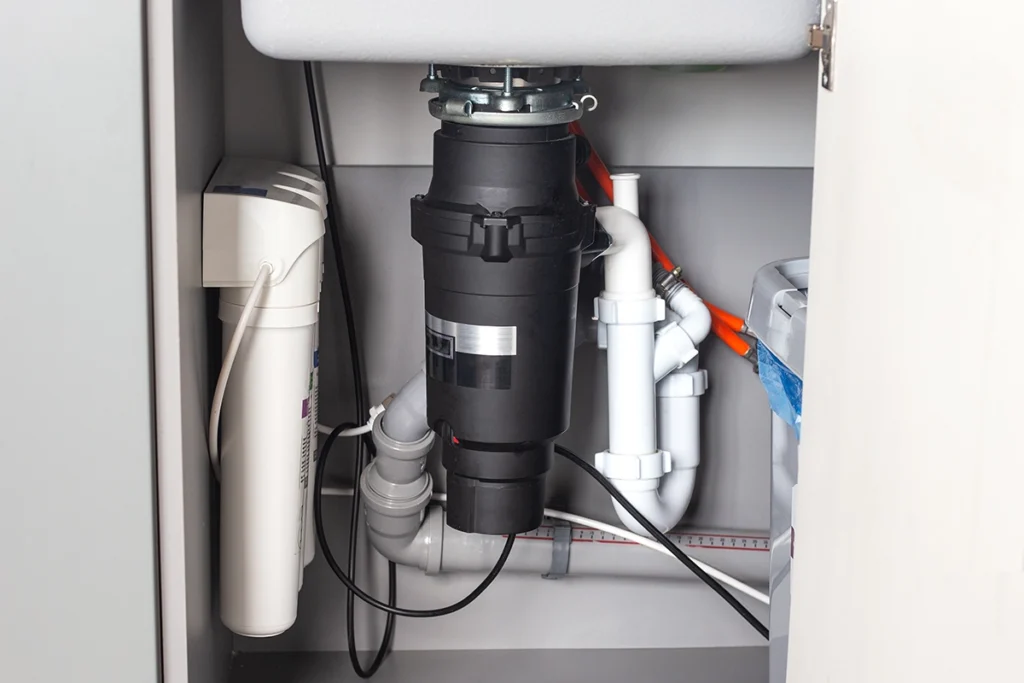
A clogged garbage disposal can bring your kitchen to a standstill, leaving you with standing water, foul odors, and a sink you can’t use. When your disposal won’t drain properly or makes strange noises, it’s tempting to reach for harsh chemicals or start taking things apart. But learning how to unclog a garbage disposal correctly—and when to call for professional help—can save you from costly damage and safety hazards.
At Clog Heroes, we see garbage disposal clogs daily. Most homeowners don’t realize that what seems like a simple clog can actually indicate more serious plumbing issues. Knowing the right way to handle these blockages matters, especially when a kitchen sink backup starts turning into a bigger plumbing problem.
Recognizing When Your Kitchen Disposal Needs Professional Attention
Recognizing the early warning signs of a clogged garbage disposal can help you address the problem before it becomes a major plumbing emergency. Many homeowners wonder how to unclog a garbage disposal when they first notice these symptoms, but understanding what each sign means helps determine whether DIY methods are appropriate or if professional help is needed right away:
Water Won’t Drain or Drains Very Slowly
The most obvious sign of a clogged garbage disposal is water that refuses to go down or drains extremely slowly. You might notice water pooling in your sink even when the disposal is running. This typically means food particles, grease, or other debris have created a blockage somewhere in the disposal chamber or the connecting drain pipes. When water backs up consistently, it often indicates that standard drain clearing methods won’t be sufficient.
Strange Noises When Running
While garbage disposals naturally make some noise, unusual sounds like excessive grinding, rattling, or a humming noise without the blades turning can indicate a clog. These sounds often mean something is stuck in the disposal chamber, preventing the blades from moving freely. If you hear these noises, turn off the disposal immediately to prevent motor damage. The grinding mechanism requires free movement to function properly, and these sounds are often an early sign that it may be time to unclog the garbage disposal before the motor is damaged.
Unpleasant Odors Coming from the Sink
Food particles trapped in a clogged disposal create the perfect environment for bacteria growth, leading to foul smells that seem to come from your drain. Garbage disposal odors can indicate that organic matter is decomposing inside the unit, which requires proper cleaning and potentially professional intervention. These smells often persist even after running water through the system, suggesting deeper blockages.
Disposal Won’t Turn On at All
Sometimes a severe clog can cause the disposal motor to overheat and shut down completely. If your disposal won’t start even after checking the power switch and circuit breaker, a blockage may have caused the motor to trip its internal safety switch. When your garbage disposal is humming but not working, it’s often due to a jam that needs professional attention. Complete motor failure requires immediate diagnosis to prevent permanent damage.
What Causes Garbage Disposal Clogs
Understanding what causes garbage disposal clogs can help you recognize when a problem is developing and why professional intervention is often necessary. When homeowners research how to unclog a garbage disposal, they discover that most blockages result from preventable causes that require specific removal techniques depending on the type of obstruction involved.
Grease and Oil Buildup
One of the most common causes of disposal clogs is grease and cooking oil. When hot grease goes down the drain, it may seem liquid, but it solidifies as it cools in your pipes. Over time, this creates a sticky coating that traps other food particles, eventually forming a solid blockage that standard disposal methods can’t clear. Professional removal often requires specialized tools to break through hardened grease accumulations.
Fibrous Foods and Large Particles
Certain foods should never go in a garbage disposal because they can wrap around the blades or create tough blockages. Items like celery strings, corn husks, potato peels, and banana peels can bind up the disposal mechanism. Large chunks of any food can also overwhelm the system, especially if the disposal isn’t powerful enough to break them down completely. When these materials wrap around the mechanism, it can become difficult to unclog the garbage disposal without the right tools.
Non-Food Items
Sometimes clogs occur when non-food items accidentally fall into the disposal. Bottle caps, utensils, jewelry, or even small toys can create immediate blockages. These items can also damage the disposal blades, requiring professional repair or replacement. Metal objects are particularly dangerous because they can cause electrical shorts or blade damage.
Insufficient Water Flow
According to InSinkErator, you should run cold water while your garbage disposal is operating and for a few seconds afterward to help flush ground food through the drain. Without enough water, food particles can collect in the unit or pipe, which can increase the risk of buildup and clogs.
Dangers of Attempting DIY Disposal Repairs
When faced with a clogged garbage disposal, many homeowners try to fix the problem themselves, but this approach often creates more serious issues. While there are basic safety steps involved in disposal maintenance, improper techniques when attempting to learn how to unclog a garbage disposal can result in injuries, electrical hazards, and expensive damage to both the disposal unit and connected plumbing systems.
Chemical Drain Cleaners Cause Damage
Harsh chemical drain cleaners can corrode the metal components inside your garbage disposal and damage the rubber seals. These chemicals are also dangerous to handle and can create toxic fumes when they react with trapped food particles. Professional plumbers use safe, effective methods that won’t damage your disposal or plumbing system. If you are trying to unclog a garbage disposal, chemical cleaners can make the situation worse instead of fixing it.
Improper Disassembly Risks
Taking apart a garbage disposal without proper knowledge can lead to electrical hazards, cuts from sharp blades, and damage to the unit’s internal mechanisms. Many disposal components are under tension or contain sharp edges that can cause injury. Professional technicians have the tools and training to safely disassemble and repair disposals. Electrical connections near water create particularly dangerous conditions for untrained individuals.
Pushing Clogs Deeper
Using plungers or drain snakes improperly can push clogs deeper into your plumbing system, potentially affecting other drains in your home. What starts as a disposal problem can become a kitchen sink clog or even a main drain issue that’s much more expensive to repair. Forced pressure can also damage seals and create leaks in hidden areas of your plumbing.
Professional Garbage Disposal Repair Process
When you call Clog Heroes for a clogged garbage disposal, our certified technicians follow a systematic approach to diagnose and fix the problem safely and effectively. Our comprehensive process addresses not just the immediate blockage but also identifies underlying issues that could cause future problems.
Safety-First Assessment
A professional technician will first ensure the power to the disposal is completely shut off before beginning any work. They’ll inspect the unit for visible damage, check electrical connections, and assess whether the problem is in the disposal itself or the connected drain lines. This thorough evaluation prevents accidents and ensures the most effective repair approach. Before attempting to unclog their garbage disposal, homeowners should make sure the problem is not tied to a larger drain or electrical issue.
Proper Clog Removal Techniques
Professional plumbers use specialized tools designed specifically for garbage disposals. They can safely remove stuck objects, clear grease blockages, and address clogs in the connecting pipes without damaging the unit. Techniques might include professional-grade disposal wrenches, specialized extraction tools, or hydro jetting for severe drain blockages. These methods are much more effective than typical household approaches to how to unclog a garbage disposal.
Motor and Component Testing
After clearing the clog, a certified technician will test all disposal components to ensure they’re working properly. This includes checking the motor, blades, seals, and electrical connections. They’ll also run water through the system to verify proper drainage and operation. Complete system testing prevents future breakdowns and ensures optimal performance.
Preventive Maintenance Recommendations
Professional repair service includes guidance on proper disposal use and maintenance to prevent future clogs. Your technician will explain what items to avoid putting in the disposal and demonstrate proper operating techniques to extend the unit’s lifespan. This education helps homeowners avoid the situations that typically require learning how to unclog a garbage disposal in emergency situations.
When to Call for Emergency Garbage D
Some garbage disposal problems require immediate professional attention to prevent water damage or safety hazards. These critical situations go beyond typical blockages and can indicate serious plumbing or electrical problems.
Water Backing Up into Other Sinks
If water from your garbage disposal is backing up into other sinks or drains in your kitchen, this indicates a serious blockage in your main drain line. This situation can quickly lead to water damage and requires emergency drain cleaning services. Cross-contamination between drains suggests the blockage is beyond the disposal unit itself. At that point, trying to unclog the garbage disposal alone usually will not solve the full problem.
Electrical Issues
Any signs of electrical problems—such as sparks, burning smells, or the disposal tripping circuit breakers repeatedly—require immediate professional attention. These issues can pose serious safety risks and may indicate the need for disposal replacement. Electrical problems near water sources create particularly dangerous conditions.
Severe Leaks
If you notice water leaking from under your garbage disposal, especially near electrical connections, turn off the power immediately and call for emergency service. Leaks can cause water damage to your cabinets and create electrical hazards. Structural damage to the disposal housing often requires complete unit replacement.
Preventing Future Garbage Disposal Clogs
While professional repair can fix current problems, understanding prevention helps you avoid future costly repairs. Proper maintenance and usage habits significantly reduce the likelihood of needing to learn emergency techniques for how to unclog a garbage disposal.
Know What Not to Dispose
Certain items should never go in your garbage disposal, including grease, oils, fibrous vegetables, bones, fruit pits, coffee grounds, and non-food items. Even items labeled as “disposal-safe” can cause problems if used in large quantities. Understanding these restrictions prevents most common blockage situations. Good disposal habits can help homeowners avoid situations where they have to unclog a garbage disposal in the first place.
Proper Operating Techniques
Always run cold water before, during, and after using your disposal. Feed food scraps gradually rather than dumping large amounts at once. Let the disposal run for several seconds after the grinding stops to ensure all particles are flushed away. Proper operation prevents particle accumulation and reduces wear on internal components.
Regular Maintenance
Professional maintenance every 6-12 months can catch problems before they become major clogs. During maintenance visits, technicians can clean the disposal chamber, check for wear on components, and ensure optimal performance. Regular service prevents most situations that require emergency repair.
Trust Clog Heroes for Professional Disposal Repair
When your garbage disposal stops working properly, don’t risk making the problem worse with DIY attempts. Clog Heroes provides fast, professional disposal repair throughout the Fredericksburg area. Our licensed plumbers have the experience and tools to safely diagnose and fix disposal clogs, getting your kitchen back to normal quickly.
Whether you’re dealing with a simple clog or a more complex disposal problem, our team is ready to help. We offer upfront pricing, flexible scheduling, and quality workmanship on every job. Contact Clog Heroes today for reliable garbage disposal repair you can count on.
How to Unclog a Garbage Disposal: Step-by-Step Guide
Check for Power Issues
Verify the disposal has power by testing the wall switch and checking if the circuit breaker has tripped. Look for any visible damage to the power cord.
Listen for Unusual Sounds
Turn on the disposal briefly to identify abnormal noises like excessive grinding, humming without blade movement, or rattling sounds that indicate jams.
Test Water Drainage
Run water in the sink to see if it drains normally or backs up. Standing water indicates a clog in the disposal chamber or connected pipes.
Inspect for Visible Blockages
With the power completely off, use a flashlight to look into the disposal chamber for visible objects or food buildup that might be causing the clog.
Check Reset Button
Locate the red reset button on the bottom of the disposal unit and see if it has popped out, indicating the motor has overheated due to a jam.
Professional Clog Removal
A certified technician will safely remove the blockage using specialized tools designed for disposals, without damaging internal components or risking injury.
Component Testing
The professional will test the motor, blades, and electrical connections to ensure everything functions properly after clearing the clog.
System Verification
The technician will run water through the disposal and connected drains to verify proper operation and check for any additional issues.
Frequently Asked Questions
When a disposal backs up or stops working, most homeowners have the same concerns. Below are answers to common questions about what causes these clogs, what to avoid, and when professional help makes the most sense.
Can I use drain cleaner to unclog my garbage disposal?
No, chemical drain cleaners can damage your disposal’s metal parts and rubber seals. They can also create dangerous fumes when mixed with trapped food particles.
Why does my garbage disposal make noise but not grind?
This usually means something is stuck in the disposal chamber, preventing the blades from turning. Turn off the power immediately and call a professional to avoid motor damage.
How much does it cost to fix a clogged garbage disposal?
The cost depends on what’s causing the problem, how severe the clog is, and whether any parts need to be repaired or replaced. A professional inspection is the best way to get accurate pricing.
Can a clogged garbage disposal affect other drains?
Yes, severe disposal clogs can cause water to back up into other kitchen sinks or drains, indicating a blockage in your main drain line.