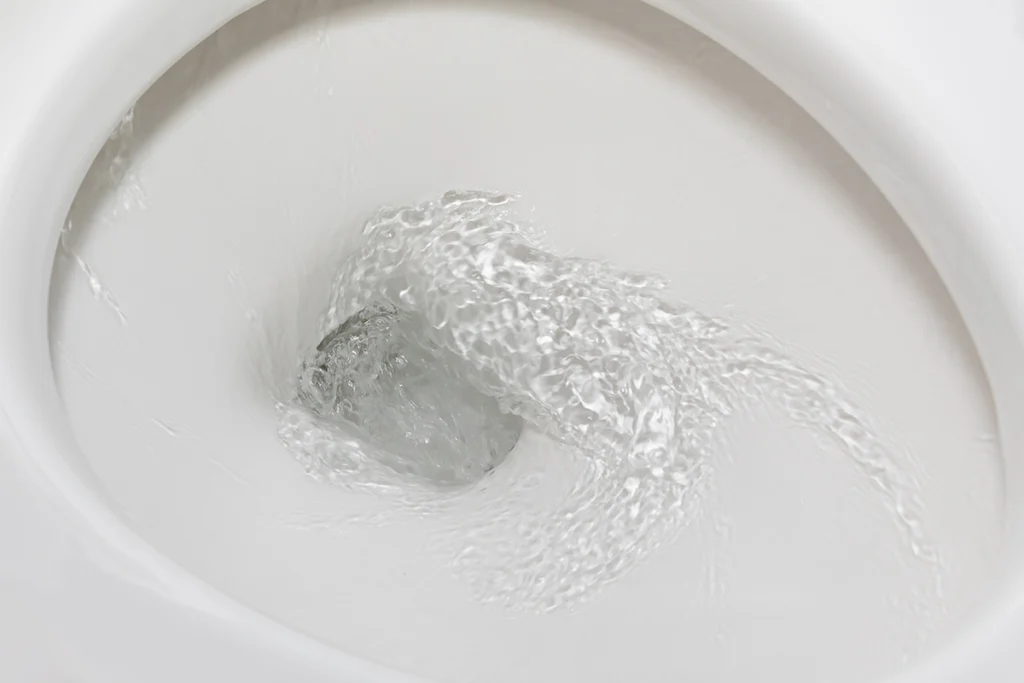
A toilet that won’t stop running is one of the most frustrating plumbing problems homeowners face. The constant sound of water flowing can drive you up the wall, and it’s also wasting water and driving up your utility bills. When you need a plumber for running toilet issues, understanding what’s happening inside your toilet tank can help you make informed decisions about repairs.
Why Toilets Keep Running: The Most Common Culprits
A running toilet typically means something inside the tank isn’t working properly to stop the water flow after flushing. Several components work together to control when water enters and exits your toilet tank, and when any of these parts fail, you get that annoying continuous running sound.
The most frequent cause is a faulty flapper valve that doesn’t seal properly against the flush valve seat. When this rubber component warps, cracks, or gets debris stuck underneath it, water continuously leaks from the tank into the bowl. Your toilet thinks it needs to keep refilling, so it runs constantly.
Another common issue involves the chain connecting your flush handle to the flapper. If this chain is too long, too short, or has broken links, it prevents the flapper from sealing correctly. Sometimes the chain gets tangled or caught on other tank components, keeping the flapper partially open.
The fill valve, which controls water entering the tank, can also malfunction. Older fill valves often wear out and fail to shut off completely once the tank reaches the proper water level. This creates a continuous flow that keeps your toilet running.
When to Call a Plumber for Running Toilet Problems
While some homeowners attempt quick fixes, persistent running toilet issues usually require professional attention. A licensed plumber for running toilet repairs can properly diagnose the root cause and implement lasting solutions that prevent the problem from recurring.
If your toilet continues running after you’ve checked obvious issues like the flapper position, it’s time to call in the experts. Understanding toilet tank components can help you communicate better with your plumber, but attempting repairs yourself often leads to bigger problems.
Professional plumbers have the experience to quickly identify whether you’re dealing with a simple adjustment or a more complex issue requiring replacement parts. They can also spot potential problems that might cause future failures, saving you from multiple service calls.
Signs Your Running Toilet Needs Professional Help
Certain symptoms indicate your running toilet problem requires more than basic troubleshooting. If you notice water levels that seem incorrect, strange noises beyond the typical running sound, or if the problem returns shortly after you think you’ve fixed it, professional diagnosis is essential.
Water continuously flowing into the overflow tube suggests internal component failure that needs expert attention. Similarly, if your toilet runs intermittently throughout the day without being flushed, internal parts are likely worn out and need replacement.
According to the Environmental Protection Agency, a running toilet can waste about 200 gallons of water per day, making professional repair a smart investment for both your comfort and your water bill.
What Professional Running Toilet Repair Involves
When you hire a qualified plumber for running toilet repair, they’ll start with a comprehensive inspection of all internal tank components. This systematic approach ensures they identify the actual problem rather than just treating symptoms.
A certified technician will examine the flapper valve, chain, fill valve, float mechanism, and flush valve seat. They’ll test how these components interact during the flush cycle to pinpoint exactly what’s causing the continuous running.
Professional repair typically involves replacing worn components with high-quality parts designed for your specific toilet model. Your plumber will ensure proper adjustments so all parts work together smoothly, preventing future issues.
Why Professional Repair Beats DIY Attempts
Professional plumbers bring specialized tools and extensive experience that make repairs more reliable than DIY attempts. They know which replacement parts work best for different toilet models and can make precise adjustments that prevent recurring problems.
Certified technicians also understand how toilet components interact with your home’s overall plumbing system. They can identify issues like water pressure problems or supply line concerns that might contribute to your running toilet.
Most importantly, professional repair comes with warranties on both parts and labor. If the problem returns, your plumber will address it without additional charges, giving you peace of mind that DIY fixes can’t match.
Preventing Future Running Toilet Issues
Regular maintenance helps prevent many running toilet problems before they start. Professional plumbers recommend annual inspections of toilet tank components, especially in homes with hard water that can cause mineral buildup on internal parts.
Your plumber for running toilet maintenance might suggest upgrading older toilet components to modern, more reliable versions during routine inspections. Newer fill valves and flapper designs typically last longer and provide better performance than older styles.
Understanding warning signs helps you catch problems early. Slow flushing toilets often develop running issues, so addressing flush performance problems promptly can prevent more serious complications.
The Cost-Benefit of Professional Service
While hiring a professional plumber involves upfront costs, it’s typically more economical than dealing with ongoing water waste and repeated DIY repair attempts. The EPA notes that fixing easily corrected household water leaks can save homeowners about 10 percent on their water bills.
Professional service also prevents damage that can occur when inexperienced individuals attempt complex toilet repairs. Cracked toilet tanks or damaged internal components often cost much more to fix than the original running toilet problem.
Finding the Right Plumber for Your Running Toilet
When selecting a plumber for running toilet repair, look for licensed professionals with specific experience in toilet repairs. Ask about warranties on their work and what types of replacement parts they use.
Local plumbers familiar with your area’s water conditions understand common toilet problems in your region. They stock appropriate parts and know which solutions work best for local water chemistry and pressure conditions.
Emergency availability matters too, especially if your running toilet is causing water bills to spike rapidly. Toilet emergencies sometimes accompany running toilet issues, so choose a plumber who offers prompt response times.
At Clog Heroes, we understand how disruptive a constantly running toilet can be for Fredericksburg area homeowners. Our licensed plumbers provide fast, reliable solutions for all types of toilet problems, with upfront pricing and quality parts that last. We serve Fredericksburg City, Spotsylvania, Stafford, and King George counties with 24/7 emergency service when you need it most.
Don’t let a running toilet waste water and money while creating constant noise in your home. Contact our team today for professional diagnosis and repair that stops the problem for good. Our certified technicians bring the tools and expertise to get your toilet working properly again, backed by our satisfaction guarantee.
Frequently Asked Questions
How much water does a running toilet waste?
A running toilet can waste 200+ gallons per day, potentially adding $50-100 to your monthly water bill depending on your local rates.
Can I fix a running toilet myself?
While some simple adjustments are possible, persistent running toilet issues usually require professional diagnosis and repair to prevent recurring problems.
How long does it take a plumber to fix a running toilet?
Most running toilet repairs take 30-60 minutes once the plumber identifies the problem and has the correct replacement parts.
What causes a toilet to keep running after flushing?
The most common causes are a warped flapper valve, broken chain, or faulty fill valve that prevents proper sealing and water flow control.