If your toilet rocks slightly when you sit down, leaks water around the base, or leaves damp spots on the bathroom floor, the culprit might be your PVC toilet flange. This critical component connects your toilet to the drain pipe below. When it cracks, corrodes, or loosens over time, even a small failure can lead to water damage, unpleasant odors, and unstable fixtures. The flange sits beneath the toilet and often below the finished floor, so homeowners rarely see it until a problem becomes obvious. Understanding what a PVC toilet flange does, why it fails, and when to call a licensed plumber can help you protect your bathroom from costly repairs down the road. We’re here to walk you through the warning signs and explain how we diagnose and address flange issues quickly and professionally.
What Is a PVC Toilet Flange?
If you’ve noticed water pooling around the base of your toilet or detected a persistent sewage odor in your bathroom, the problem may be a component most homeowners never think about: the PVC toilet flange. This critical connector sits at the intersection of your toilet and your home’s drain system. It creates a watertight seal that keeps waste flowing in the right direction—and keeps contaminated water out of your living space.
Proper toilet installation, including a secure and level flange connection, is essential for preventing leaks that can damage flooring and subfloor materials over time. According to the EPA WaterSense program, household leaks can waste significant amounts of water and contribute to unnecessary damage when left unaddressed.
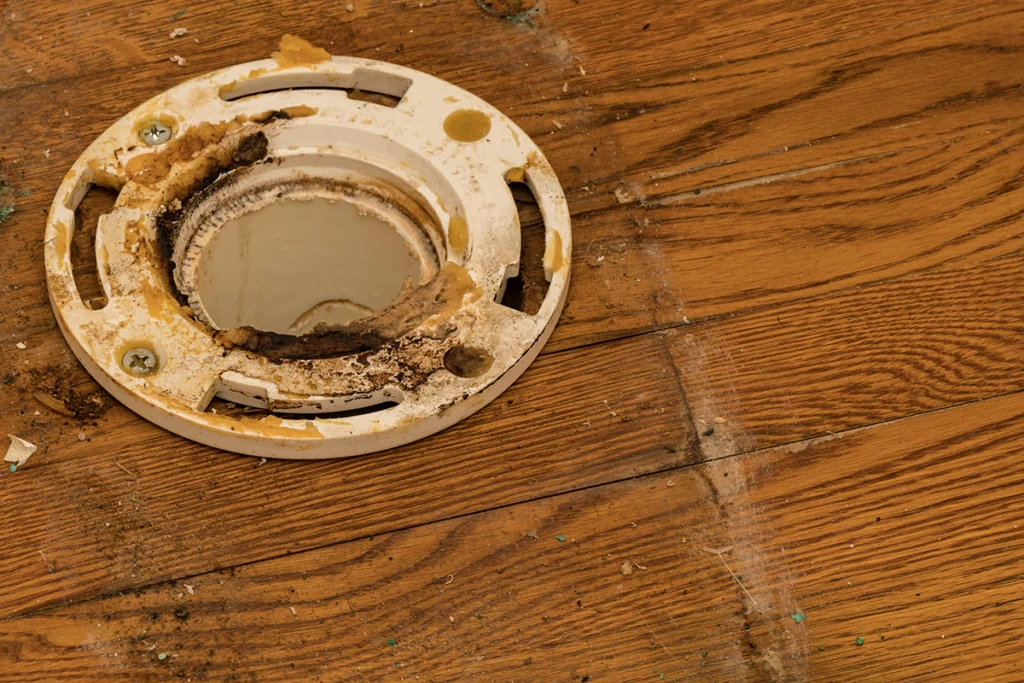
The flange itself is a ring-shaped fitting that anchors your toilet to the floor while simultaneously connecting it to the drainpipe below. When installed correctly by a licensed professional, this seal remains invisible and trouble-free for years. However, when a flange cracks, corrodes, or shifts out of position, the consequences range from annoying leaks to serious structural damage and health hazards.
At Clog Heroes, we’ve seen how a failing flange can quickly escalate from a small wobble to a flooded bathroom. Understanding what this component does—and recognizing early warning signs—helps you protect your home and call for professional help before minor issues become costly emergencies.
Common PVC Toilet Flange Problems Homeowners Notice
We’ve seen countless homeowners overlook subtle warning signs until a small flange issue becomes a major repair. The most obvious symptom is a toilet that rocks or shifts when you sit down—even slightly. This movement happens when the PVC toilet flange has cracked, corroded, or pulled away from the subfloor. Once the seal breaks, you’ll often notice water pooling around the toilet base after each flush. This is sometimes accompanied by a persistent sewer odor that no amount of cleaning eliminates.
Staining or soft spots on the floor near your toilet are red flags we take seriously. These indicate slow leaks that have been saturating the subfloor, potentially for weeks or months. Dark discoloration on bathroom ceilings below the toilet is another telltale sign. If you’re experiencing any of these symptoms, the safest step is calling our licensed team at Clog Heroes right away. We’ll inspect the flange, check for hidden water damage, and determine whether repair or replacement is needed before structural damage escalates.
Why PVC Flanges Fail Over Time
Even properly installed PVC toilet flanges don’t last forever. Over the years, we’ve seen several common culprits that cause these critical components to crack, warp, or lose their seal. Understanding what leads to failure helps homeowners recognize when it’s time to call for a professional inspection before a small issue becomes a costly water damage problem.
Age and material fatigue naturally weaken PVC over decades of use. The constant weight of the toilet, combined with daily use and temperature fluctuations in the floor structure, gradually stresses the plastic. When flanges were installed incorrectly—set too high, too low, or not level with the finished floor—they experience uneven pressure that accelerates cracking. We frequently find that overtightened closet bolts are another major cause. Previous installations where bolts were tightened too much can split the flange tabs or crack the entire ring.
Floor movement and settling also take their toll. As homes age and floors shift slightly, the rigid connection between your toilet and the drainpipe faces stress it wasn’t designed to handle long-term. When we inspect a failing flange, we look at all these factors to determine not just what failed, but why. This allows us to install the proper replacement that will last.
How Professionals Inspect and Diagnose Flange Issues
When you call Clog Heroes for a suspected flange problem, our licensed plumbers begin with a thorough visual and hands-on assessment. This goes far beyond what’s visible from above. We first check for obvious signs like water stains, soft flooring, or toilet movement. Then we carefully examine the seal between the toilet base and the floor. A proper diagnosis requires removing the toilet to directly inspect the PVC toilet flange condition, checking for cracks, corrosion, or separation from the drainpipe.
We assess whether the flange sits at the correct height relative to your finished floor—a critical measurement that affects seal integrity. We also inspect the mounting slots or bolt holes for damage, test the surrounding subfloor for rot or weakness, and verify that the drainpipe connection remains solid. In older Fredericksburg homes, we often find multiple issues working together: a cracked flange combined with deteriorated subfloor or an improper previous repair that’s now failing.
This comprehensive inspection allows us to recommend the right repair strategy for your specific situation. This might be a simple wax ring replacement, flange repair, or more extensive subfloor work. Accurate diagnosis the first time prevents repeat callbacks and protects your home from ongoing water damage.
When to Call a Licensed Plumber for Your PVC Toilet Flange
A damaged or failing PVC toilet flange requires professional attention to prevent expensive water damage and ensure your repair meets Virginia building codes. If you notice persistent leaking around the toilet base, a rocking toilet that won’t stabilize, or sewage odors in your bathroom, these are clear signals that your flange needs immediate inspection by a licensed plumber.
We recommend calling Clog Heroes right away if you see water pooling after every flush. Also call if you notice discoloration or soft spots on the flooring near the toilet, or if your toilet has become loose shortly after a previous repair. A broken flange can allow wastewater to seep into your subfloor and joists. This creates structural damage that costs far more to repair than addressing the flange itself. We’ll inspect the flange, assess the surrounding floor structure, verify proper alignment and sealing, and ensure your repair complies with local Fredericksburg plumbing codes.
Professional flange service ensures proper seating, prevents continued leaks, and maintains code compliance that protects your home value. Trust our team to diagnose the issue correctly and restore your toilet to safe, reliable operation.
Get Expert Toilet Flange Service in Fredericksburg
When you notice the warning signs of a failing toilet flange—persistent leaks, wobbling, unpleasant odors, or water damage around the base—it’s time to call in professionals. You need experts who understand the unique plumbing challenges of homes throughout Fredericksburg and the surrounding area. At Clog Heroes, we’ve diagnosed and repaired countless PVC toilet flange failures. Our experience ranges from simple wax ring replacements to complete flange reconstruction on damaged subfloors.
Our certified plumbing technicians arrive equipped to assess the full scope of your toilet’s installation. We check not just the visible components but the hidden structural elements that determine whether a repair will last. We’ll identify whether your flange is cracked, corroded, or simply sitting at the wrong height. Plus, we’ll explain your options in straightforward terms before any work begins. Since we live and work in this community, we’re invested in solutions that protect your home for years to come—not quick fixes that fail in six months.
Don’t let a compromised toilet flange turn into rotted flooring, mold growth, or a sewage backup emergency. Contact Clog Heroes today for fast, reliable toilet flange service you can trust. We’re ready to restore your bathroom’s safety and function with the expertise Fredericksburg homeowners depend on.
Frequently Asked Questions
How do I know if my PVC toilet flange is broken?
You’ll typically notice a toilet that rocks when you sit down, water pooling around the base after flushing, or persistent sewer odors in your bathroom. Soft spots or discoloration on the floor near the toilet also indicate a failing flange. We can remove the toilet to inspect the flange directly and check for cracks, corrosion, or improper positioning that’s compromising the seal.
Can a cracked toilet flange cause a leak?
Yes, a cracked PVC toilet flange breaks the watertight seal between your toilet and the drainpipe. This allows wastewater to seep onto your bathroom floor and into the subfloor below. Even small cracks let contaminated water escape with every flush, creating hidden damage that worsens over time. We recommend calling Clog Heroes immediately if you suspect flange damage to prevent costly structural repairs and potential mold growth.
How long does a PVC toilet flange typically last?
A properly installed PVC toilet flange can last several decades under normal conditions. However, factors like overtightened bolts, floor settling, improper installation height, and constant stress from daily use can shorten its lifespan significantly. When we inspect your flange, we assess these contributing factors to determine whether repair or replacement is necessary. We also recommend solutions that will protect your bathroom long-term.
Should I replace the wax ring when fixing a toilet flange?
Yes. Once the toilet is removed to access the flange, the wax ring seal is broken and cannot be reused effectively. We always install a fresh wax ring whenever we service a toilet flange to ensure a proper watertight seal. Reusing an old wax ring almost always results in leaks, odors, and repeat service calls that cost more than doing it right the first time.