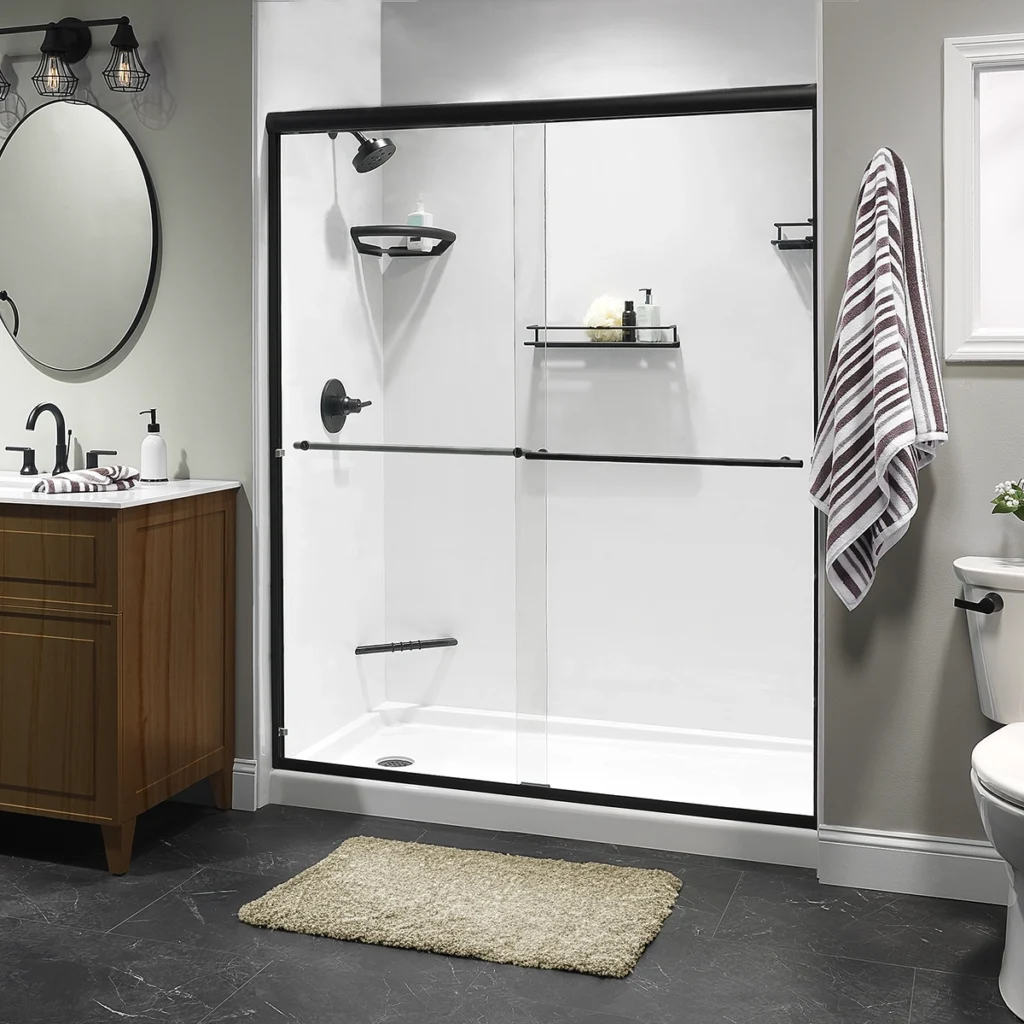
Shower plumbing is the network of pipes, valves, and fixtures that delivers hot and cold water to your shower. At the same time, it safely drains wastewater away. Whether you’re dealing with pressure issues, strange noises, or mysterious leaks, understanding how these systems work helps you recognize when something’s wrong. At Clog Heroes, we know that a properly functioning shower isn’t just a convenience—it’s essential to your daily routine. That’s why we’re here to help Fredericksburg homeowners identify common shower plumbing problems. We also help you know when to call in professional help.
How Your Shower Plumbing System Works
Your shower relies on a complex system of supply lines, drain pipes, and control valves working together behind the scenes. Cold water enters through one pipe while hot water comes from your water heater through another. These lines meet at the shower valve, where you control temperature and flow. From there, water travels to the showerhead. It can also go to body sprays if you have them installed.
On the drainage side, used water exits through a trap—a curved section of pipe that holds water to prevent sewer gases from entering your home. The trap connects to your main drain line, which carries wastewater away. Because all these components live behind walls and beneath floors, problems often go unnoticed until symptoms appear. In fact, hidden leaks can cause significant damage before you ever spot a water stain.
The Key Components Behind the Wall
The shower valve body is the heart of the system. This assembly sits inside your wall and controls water mixing, temperature regulation, and pressure. Modern valves include pressure-balancing or thermostatic features. These prevent sudden temperature changes when someone flushes a toilet elsewhere in the house.
Supply pipes typically run vertically from your main water lines. Most newer homes use copper or PEX tubing, while older properties may still have galvanized steel. Some even have cast iron. The material and age of these pipes significantly affect reliability. Along with these pipes, you’ll find shutoff valves. These allow our technicians to isolate your shower for repairs without shutting down water to the entire house.
Common Shower Plumbing Problems We Encounter
After years of serving Fredericksburg homeowners, we’ve seen just about every shower issue imaginable. Some problems announce themselves loudly with banging pipes or puddles on the floor. Others quietly damage your home while disguised as minor inconveniences. Either way, recognizing the warning signs helps you address issues before they escalate into expensive repairs.
Low Water Pressure Issues
Weak shower flow frustrates homeowners more than almost any other plumbing complaint. The cause might be mineral buildup restricting flow through the showerhead itself. However, the problem could also stem from corroded pipes, a failing pressure regulator, or sediment accumulation in the shower valve. Sometimes pressure drops affect only hot water. This points to water heater issues rather than shower plumbing specifically.
Our technicians will diagnose pressure problems by testing flow at multiple points in your system. This determines whether you need valve replacement or more extensive pipe work. Never ignore pressure drops that develop suddenly—they often indicate a developing leak or valve failure.
Temperature Control Problems
If your shower suddenly runs scalding hot or ice cold without warning, the issue typically lies with the valve cartridge or balancing mechanism. These components wear out over time. As a result, they lose their ability to maintain consistent temperature mixing. In some cases, the problem relates to your water heater settings. It could also be a failing dip tube that allows hot and cold water to mix prematurely.
Temperature fluctuations also occur when pressure changes affect hot and cold supply lines differently. This is especially common in homes with older plumbing systems that lack pressure-balancing valves. Since dealing with malfunctioning valves requires wall access and specialized tools, our team has the expertise and equipment to properly diagnose and repair these issues.
Signs Your Shower Plumbing Needs Professional Attention
Recognizing early warning signs saves you from major repairs down the road. Keep an eye out for these red flags that indicate your shower system needs professional evaluation.
Water Stains and Moisture Damage
Stains on ceilings below bathrooms or on walls adjacent to showers signal active leaks. You might also notice peeling paint, warped baseboards, or soft spots in drywall. These symptoms mean water is escaping from supply lines or the shower pan. As a result, it’s saturating surrounding materials. Even small leaks cause mold growth and structural damage if left unaddressed.
Because shower plumbing lives behind finished surfaces, leaks often go undetected until damage becomes visible. By that point, moisture has already compromised framing, drywall, or subflooring. That’s why we recommend calling us at the first sign of unexplained dampness around your shower area.
Strange Noises During Use
Banging, whistling, or hammering sounds indicate problems within your plumbing system. Water hammer occurs when valves close too quickly. This sends shock waves through pipes. The shock puts stress on connections and can eventually cause leaks. Whistling usually means a worn valve seat or washer creating turbulence as water flows past.
Gurgling from the drain suggests venting problems or partial clogs developing in your drain line. While these noises might seem like minor annoyances, they indicate mechanical issues that worsen with time. Plus, persistent hammering can actually crack pipes or loosen fittings. This creates leaks that require emergency service.
Slow Draining or Standing Water
When your shower drains slowly or water pools around your feet, you’re dealing with a developing clog. Hair, soap residue, and mineral deposits accumulate in drain lines and traps. What starts as a minor slowdown becomes a complete blockage if ignored. Standing water also creates slip hazards and promotes mold growth in your shower.
Store-bought drain cleaners might seem like an easy fix. However, they often damage pipes without fully clearing blockages. Chemical cleaners are particularly harsh on older plumbing and can corrode pipe joints. A professional drain cleaning from our team removes the entire clog safely. It also identifies underlying issues like damaged pipes or improper venting.
Shower Plumbing Upgrades Worth Considering
If you’re renovating your bathroom or dealing with repeated problems, upgrading your shower plumbing makes practical sense. Modern fixtures and materials offer better performance, water efficiency, and reliability compared to older systems.
Thermostatic Valve Installation
Thermostatic mixing valves maintain precise temperature control regardless of pressure changes elsewhere in your plumbing. They’re especially valuable in homes with children or older residents who could be injured by sudden temperature spikes. These valves cost more upfront but provide consistent comfort and important safety benefits.
We often recommend thermostatic valves during bathroom remodels. Since installation requires opening walls anyway, it’s the perfect time to upgrade your shower’s control system. The improved temperature stability and safety features make this upgrade worthwhile for most homeowners.
Water-Efficient Showerheads and Fixtures
Today’s low-flow showerheads deliver satisfying pressure while using significantly less water than older models. Federal standards limit flow to 2.5 gallons per minute, but many quality fixtures perform well at 2.0 GPM or even lower. Over time, these fixtures reduce both water and energy costs since you’re heating less water.
When upgrading fixtures, our technicians will ensure compatibility with your existing shower plumbing. Some low-flow showerheads work better with certain pressure ranges or valve types. We select and install fixtures that match your system specifications. At the same time, we deliver the performance you expect.
The Importance of Proper Venting
Many homeowners don’t realize their shower drain requires proper venting to function correctly. Vent pipes allow air into the drain system. This prevents vacuum formation that slows drainage. Without adequate venting, you’ll experience slow drains, gurgling sounds, and even sewer odors entering your bathroom.
Venting problems often develop in older homes. They can also happen after DIY renovations that didn’t account for plumbing codes. If your shower has always drained slowly despite clear pipes, inadequate venting might be the culprit. Correcting vent issues requires understanding local plumbing codes and how drain-waste-vent systems work together. Our licensed professionals will properly assess your venting system. We also ensure it meets code requirements.
When to Call Clog Heroes for Shower Plumbing Service
Some shower problems require immediate professional attention, while others allow time for scheduling regular service. Contact us right away if you notice active leaks, complete loss of hot water, or sewage odors from your drain. These situations can cause property damage or pose health risks if not addressed quickly.
For less urgent issues like gradual pressure drops or minor temperature inconsistencies, schedule service at your convenience. However, don’t postpone repairs indefinitely. Small problems rarely fix themselves and typically worsen over time. Regular maintenance and prompt attention to warning signs prevent emergency situations. This saves you from repairs that disrupt your household and cost more to fix.
Our team serves Fredericksburg and surrounding areas with reliable shower plumbing diagnostics and repairs. We carry common replacement parts on our trucks, so we can often complete repairs in a single visit. When more extensive work is needed, we provide clear explanations and upfront pricing before starting any job.
Protecting Your Investment With Preventive Maintenance
Regular plumbing maintenance extends the life of your shower system and prevents unexpected failures. We recommend annual inspections that check valve operation, test water pressure, examine visible pipes for corrosion, and ensure proper drainage. During these visits, our technicians spot developing problems before they cause damage or service interruptions.
Preventive maintenance also includes water heater service. This is important since your shower performance depends on reliable hot water delivery. Our technicians will flush sediment from your water heater, test the temperature-pressure relief valve, and inspect heating elements. This prevents many common shower temperature problems. This comprehensive approach to plumbing care saves money compared to emergency repairs.
Between professional visits, homeowners can monitor their shower systems for changes. Notice whether pressure or temperature changes gradually. Check for new stains or soft spots around the shower area. Listen for sounds that weren’t there before. These simple observations help you catch issues early when repairs are simpler and less expensive.
If you need help with shower plumbing, leaks, pressure problems, or slow drains in Fredericksburg, VA or one of the surrounding areas, contact us today.
Frequently Asked Questions
What causes my shower to lose hot water quickly?
Quick hot water loss typically stems from an undersized water heater, sediment buildup reducing tank capacity, or a failing heating element. If other fixtures have hot water while your shower doesn’t, the issue might be a clogged shower valve or supply line restriction. A plumber can diagnose the specific cause and recommend the right solution.
Why does my shower drain smell like sewage?
Sewer odors indicate the drain trap has dried out or you have a venting problem. The trap holds water to block sewer gases, but it can evaporate if the shower isn’t used regularly. Persistent odors despite regular use suggest damaged trap seals. They could also indicate inadequate venting that allows gases to enter your bathroom through the drain.
Can I replace a shower valve myself?
Shower valve replacement requires cutting into walls, working with supply lines, understanding local plumbing codes, and properly testing the installation for leaks. This work requires specialized tools and professional expertise.
How long should shower plumbing last?
Copper supply pipes typically last 50-70 years, while PEX tubing is rated for similar lifespans. Shower valves and cartridges need replacement every 15-20 years depending on water quality and usage. Drain pipes last decades but traps and seals may need attention sooner. Regular maintenance extends these lifespans significantly.