Why Is My Water Bill So High? Common Causes

Homeowner reviewing utility statements while dealing with a high water bill

If you’ve opened your utility statement and thought, why is my water bill so high all of a sudden?, you’re not alone. We hear this concern constantly from homeowners. From our day-to-day work at Clog Heroes Plumbing, Sewer & Drain, a high water bill almost never happens without a reason. In most cases, it’s an…

Read More

Water Leaking From Ceiling? Causes and What to Do Now

Water leaking from ceiling causing mold and moisture damage on interior wall

Seeing water leaking from the ceiling in your home is one of those moments that stops you cold. We’ve had plenty of customers call us in a panic after noticing water spots, steady drips, or sudden leaks overhead. And honestly, that reaction makes sense. When water shows up where it doesn’t belong, damage usually isn’t far…

Read More

Have a Basement Water Leak? Common Causes and What to Do

Basement water leak causing standing water and moisture damage

A basement water leak is one of those problems homeowners hope never shows up. Unfortunately, it’s also one of the most common issues we see. Water doesn’t need much space to get inside. Sometimes it’s obvious. Other times, it slowly builds until the damage is already done. Either way, knowing what causes a basement water…

Read More

Copper Sweat vs SharkBite Snap for Plumbing: Pros & Cons

Copper sweat vs SharkBite snap for plumbing showing professional copper pipe installation

When homeowners ask us about copper sweat vs SharkBite snap for plumbing, they’re usually weighing speed against longevity. From our day-to-day work at Clog Heroes Plumbing, Sewer & Drain, this comparison comes up often during repairs and upgrades. Both connection methods can solve real problems. However, they don’t serve the same purpose in every situation.…

Read More

Polybutylene Plumbing: Is It Still Safe in Your Home?

When homeowners ask us about polybutylene plumbing, the concern is usually the same—Is this stuff still safe, or am I sitting on a ticking time bomb? From our day-to-day work at Clog Heroes Plumbing, Sewer & Drain, we’ve had this conversation countless times. While polybutylene pipes were once promoted as a modern solution, time has…

Read More

What Is a Water Line and How Does It Work?

Underground residential water line made of blue PVC installed in a trench.

Homeowners ask us all the time: what is a water line, and why does it matter so much for everyday life? Because we work on supply lines so often here at Clog Heroes Plumbing, Sewer & Drain, we see how this single part of a plumbing system affects everything from water pressure to appliance performance.…

Read More

PRV Problems: Common Signs and Fixes

Installed pressure reducing valve (PRV) with attached pressure gauge on a home plumbing system

Most homeowners don’t think about their PRV until something in the house suddenly changes—maybe the water pressure feels unusually strong, or a faucet starts vibrating when it never did before. Since we work on plumbing systems every day at Clog Heroes Plumbing, Sewer & Drain, we see just how important a properly working PRV is…

Read More

Will Galvanized Steel Rust and Cause Plumbing Issues?

Rust forming on old galvanized steel pipes inside a home plumbing system

When homeowners ask “Will galvanized steel rust?” they usually already see hints of corrosion. Maybe the water looks tinted. Maybe the pressure seems weaker. After working on countless older plumbing systems with Clog Heroes Plumbing, Sewer & Drain, I can tell you this: galvanized steel does rust over time, and the issues tend to grow…

Read More

What Is PVC? Plumbing Uses, Safety & Types Explained

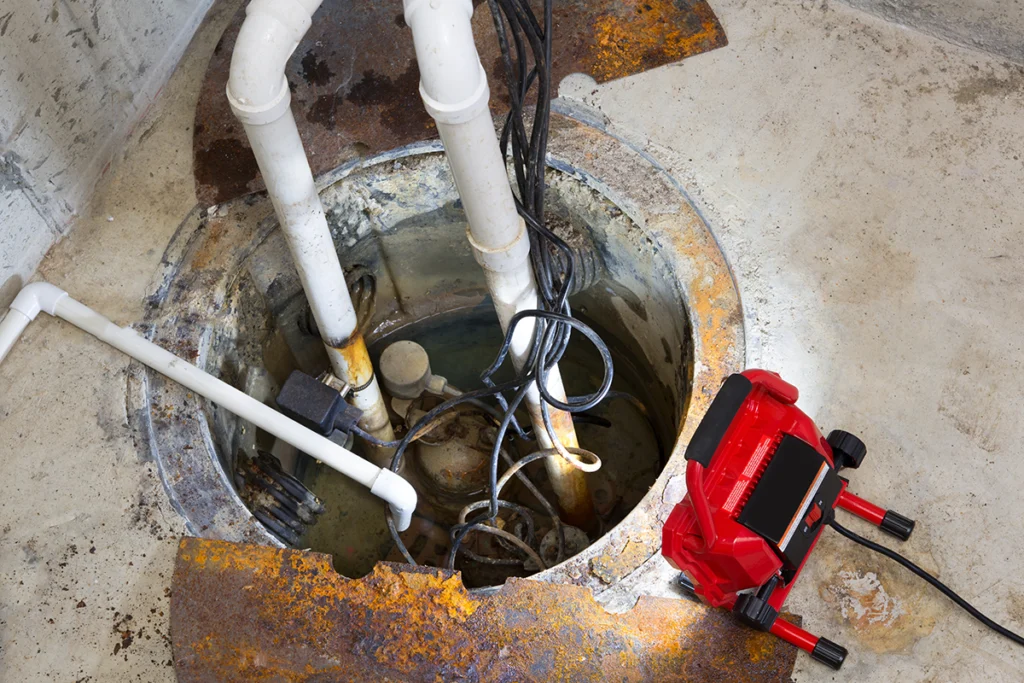
If you’ve ever wondered what PVC is and why plumbers rely on it so much, you’re not alone. At Clog Heroes Plumbing, Sewer & Drain, we work with this material almost every day—and for good reason. It’s durable, affordable, and easy to use in a wide range of plumbing jobs. But like anything in a home system, it has its limits too. In this post, we’ll break down what PVC actually is, how it’s used, what makes it safe (and when it’s not), and which type might be best for your home. What Is PVC and Why Plumbers Trust It PVC stands for polyvinyl chloride, a lightweight but strong plastic used in plumbing, construction, and manufacturing. When homeowners ask us, ‘What is PVC?’, we explain it in plain terms — it’s the white pipe you’ll see under sinks, behind toilets, and outside in irrigation systems. Professionals like using the material because it resists corrosion, doesn’t rust, and lasts for decades. It’s easy to cut and glue together, which makes installation quick—especially on tight schedules. Compared to older metal lines, it’s lighter, cheaper, and far less likely to clog with mineral buildup. Common Plumbing Uses for This Material This plastic piping is a true workhorse in residential and commercial plumbing. You’ll often find it in: Drain, waste, and vent systems (DWV) – carrying wastewater safely away from the home. Outdoor irrigation – moving water through sprinkler and drip systems. Pool and spa plumbing – handling exposure to chemicals. Underground lines – used for sewer and storm drainage due to its strength and longevity. That said, these pipes are best for cold water and drainage. For hot water lines, plumbers use CPVC (chlorinated polyvinyl chloride), which can handle higher temperatures. Think of CPVC as this material’s heat-resistant sibling. And if you’re dealing with exposed pipes in colder weather, it’s just as important to keep them insulated. Our guide on heat tape for water pipes explains how it works and when to use it to prevent freezing or burst lines. What Polyvinyl Chloride Is Made Of PVC piping starts with a compound of vinyl chloride monomers—materials that harden into a tough, long-lasting plastic. Once shaped into pipe, it becomes stable, non-reactive, and safe for regular plumbing use. Though raw vinyl chloride is tightly regulated, the finished product is considered safe for residential systems. For more on how water safety is monitored nationwide, the Environmental Protection Agency provides information on drinking-water quality and health standards that apply to plumbing systems. Safety in Plumbing Systems A common homeowner question is whether these pipes are safe. For most uses, yes—they’re perfectly safe. They’re approved by plumbing codes across the U.S. for drain, vent, and cold-water systems. However, PVC shouldn’t be used for hot water because heat can soften it and cause the material to degrade. That’s why we install CPVC or PEX instead. If you’ve ever noticed a water heater pressure relief valve leaking, that could be a sign of excessive heat or pressure—two things PVC simply isn’t built to handle. When it comes to drinking-water safety, NSF/ANSI 61 certification ensures pipes and fittings won’t leach chemicals into your supply. At Clog Heroes Plumbing, we always follow those standards to keep your system compliant and healthy. (Quick tip: if you’re not sure whether you have PVC or CPVC, look at the color—PVC is white or gray, while CPVC is cream or tan.) Types of PVC Pipes When people talk about what is PVC in practical terms, they’re often referring to one of these common types: Schedule 40: The most common kind for home plumbing. Affordable, strong, and easy to find. Schedule 80: Thicker and used for higher-pressure applications, such as commercial plumbing systems. Flexible pipe: Often used in spas, pools, and outdoor setups where bending around corners helps. Each version has its own pressure rating, so it’s important to match the pipe to the job. If you’re unsure, a professional plumber can help you choose correctly. Environmental and Cost Benefits This plastic piping isn’t biodegradable, but it is recyclable, and its long service life makes it a sustainable choice overall. Because it doesn’t corrode or scale, you won’t need replacements as often—which means fewer materials in landfills and lower maintenance costs. If eco-friendliness is your goal, alternatives like copper and PEX are also viable. Each has pros and cons depending on water chemistry and budget. We often help homeowners weigh those factors before deciding what works best for their home. When to Call a Professional Plumber The plumbing line might look simple, but getting it right takes experience. Slope angles, glue types, and fittings all matter for performance and code compliance. At Clog Heroes Plumbing, Sewer & Drain, we’ve seen plenty of DIY setups that leaked months later because a joint wasn’t sealed correctly. So, if you’re adding a new bathroom, replacing old pipes, or planning a remodel, it’s always safer (and cheaper in the long run) to have a professional handle the work. FAQs About PVC Plumbing Curious to learn more about PVC plumbing? Here are some questions we hear most often: [sc_fs_multi_faq headline-0="h3" question-0="Can PVC be used for hot water?" answer-0="No. PVC softens around 140°F and can release gases when overheated. For hot water, CPVC or PEX is safer." image-0="" headline-1="h3" question-1="How long do these pipes last?" answer-1="Properly installed lines made from this material can last 50 to 100 years, depending on water conditions and system design." image-1="" headline-2="h3" question-2="Is PVC better than copper or PEX?" answer-2="Each material has advantages. PVC is cost-effective, copper is durable and recyclable, and PEX is flexible and great for tight spaces." image-2="" count="3" html="true" css_class=""] Final Thoughts So, what is PVC in the bigger picture? It’s one of the most dependable and affordable plumbing materials in use today—strong enough for heavy-duty applications yet light enough for quick installs. Whether you’re dealing with drain lines, vents, or irrigation, it continues to prove its value across homes nationwide. If your home or business needs pipe repairs, replacements, or upgrades, explore our pipe services to learn how Clog Heroes Plumbing, Sewer & Drain delivers reliable, long-lasting solutions. Our experienced technicians handle everything from inspections to full system replacements, keeping your plumbing in top condition. (And between us, once you’ve glued your first perfect joint, you’ll understand why plumbers love working with this stuff.) Need professional plumbing help? PVC plumbing pipes connected to a basement sump system during inspection

If you’ve ever wondered what PVC is and why plumbers rely on it so much, you’re not alone. At Clog Heroes Plumbing, Sewer & Drain, we work with this material almost every day, and for good reason. It’s durable, affordable, and easy to use in a wide range of plumbing jobs. But like anything in…

Read More

Spotsylvania Plumbing Services You Can Count On

Clog Heroes - Spotsylvania Plumbing Services You Can Count On

If you’re searching for Spotsylvania plumbing you can truly count on, you’ve found it with Clog Heroes Plumbing, Sewer & Drain. Around here, we know plumbing problems don’t wait for a convenient time — and neither do we. Whether you’ve got a leaking pipe, a stubborn drain, or a water heater that’s given up, our…

Read More